


Turmeric is rich in curcumin, which possesses strong anti-inflammatory and antioxidant properties. These properties can help reduce oxidative stress and inflammation, key factors contributing to many liver diseases, including non-alcoholic fatty liver disease.
Curcumin helps lower inflammation markers and regulates liver enzymes involved in the body's detoxification process. When used correctly, turmeric extract can reduce fat accumulation in the liver, improving the organ's functional recovery.
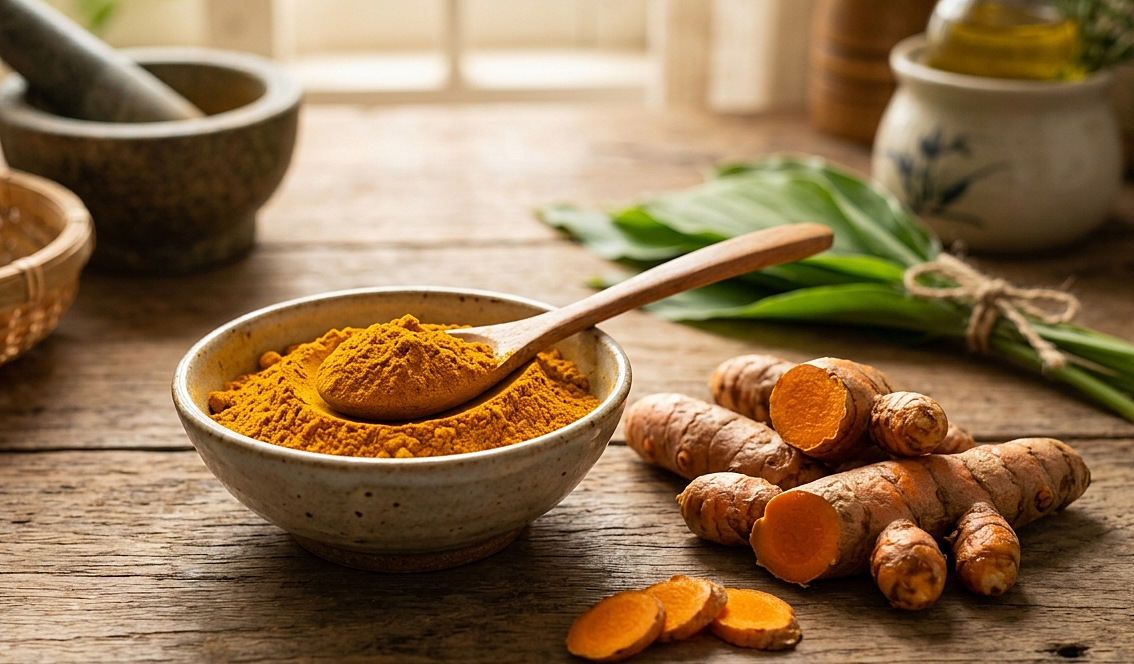 |
Both fresh and dried turmeric are rich in antioxidants beneficial for the liver. Image created by AI |
However, consuming turmeric in doses exceeding daily recommendations can cause unwanted side effects and liver damage. When a large amount of curcumin is supplemented at once, it may not be metabolized quickly enough, potentially entering the bloodstream and increasing the risk of damage to organs, including the liver. In such cases, individuals often experience abdominal discomfort, dark urine, nausea, and unexplained loss of appetite. More severe symptoms can include unusual fatigue or weakness, and yellowing of the skin or eyes.
Turmeric has blood-thinning properties; consuming too much can increase liver toxicity or lead to dangerous side effects. In rare cases, turmeric abuse can result in severe liver damage, such as liver failure, which often progresses rapidly. Unfiltered fresh turmeric contains essential oils and resins. These substances are considered "hot" and difficult to digest; excessive consumption can cause irritation and place significant stress on the liver's detoxification function, potentially leading to poisoning.
Healthy adults should consume approximately 500-2,000 mg of turmeric daily (equivalent to a maximum of about 2 g of turmeric powder with meals). Generally, daily curcumin intake should not exceed 8 g, as this can lead to side effects due to intolerance.
For turmeric supplements in capsule form, consult a doctor for advice. Turmeric preparations should not be used for three consecutive months. Turmeric products with higher curcumin content have been safely used for short periods.
Some culinary uses for turmeric include mixing it with honey to help reduce reflux (not exceeding 2 g daily), adding it to tea or milk for consumption. Fresh or powdered turmeric can be used in braised dishes, stir-fries, stews, or to enhance the color of pastries.
Turmeric should not be used by individuals with liver problems such as acute or chronic hepatitis, bile duct obstruction, or by those who are pregnant, breastfeeding, or planning to conceive. People currently taking other herbal remedies or medications should consult a doctor before using turmeric to avoid potential interactions.
Anh Chi (According to Very Well Health)
| Readers can submit questions about digestive diseases here for doctors to answer. |


