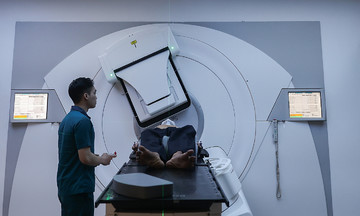
Chemotherapy is a medical approach that uses anti-cancer drugs, which are chemicals designed to be cytotoxic, meaning they kill or slow the growth of cancer cells. There are several types, including neoadjuvant, therapeutic, and adjuvant chemotherapy.
Neoadjuvant chemotherapy is administered before surgery with the goal of shrinking the tumor. This makes the surgical removal of the tumor easier and helps prevent recurrence. In contrast, palliative chemotherapy is a primary treatment aimed at extending and improving the quality of life for patients. Adjuvant chemotherapy is performed after surgery to eliminate any remaining cancer cells.
For some stages of stomach cancer, neoadjuvant chemotherapy is the standard pre-surgical treatment. Doctors conduct various tests and assess the patient's physical condition to determine eligibility for neoadjuvant chemotherapy. They then select a single drug or a combination of several drugs, administered either orally or intravenously.
Oral chemotherapy drugs travel through the mouth, esophagus, and stomach to target and destroy cancer cells locally. If a patient experiences irritation or poor absorption, doctors will prescribe intravenous drug administration, either through a peripheral vein in the arm or via an implanted port. Neoadjuvant chemotherapy typically lasts for about two to three months before surgery, with each cycle spaced approximately three weeks apart. This interval allows the patient time to recover, enabling their immune system and bone marrow to produce enough new cells after each round of chemotherapy.
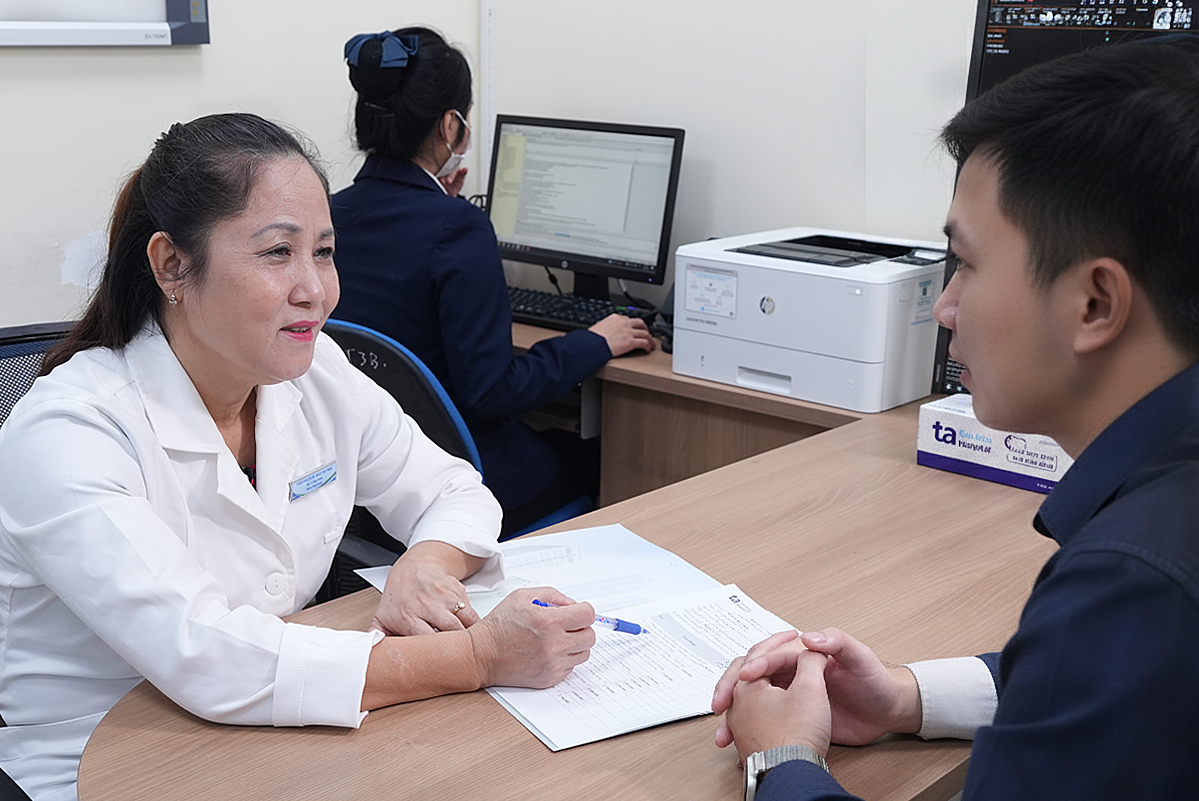 |
Associate Professor Tinh advises a stomach cancer patient. *Photo: Tam Anh General Hospital* |
Neoadjuvant chemotherapy drugs for stomach cancer often cause side effects such as hair loss, fatigue, digestive disorders, mouth sores, loss of appetite, nausea, and vomiting. It is important to prepare mentally and ensure proper nutritional care for your father. Meals should be small and frequent, consisting of easily digestible foods like porridge, soup, sweet potatoes, milk, and eggs. Supplement with lean protein sources such as lean meat, chicken, fish, and tofu, and include a variety of soft-cooked vegetables and fruits. Limit foods high in oil, fat, or spice.
This treatment can suppress the immune system, increasing the risk of mouth sores and hand-foot syndrome, which causes pain, skin discoloration, blistering, and peeling. Patients need to maintain good oral hygiene, bathe daily with warm water, keep skin clean and dry, especially around the intravenous access site, and wear a mask when going outside. After each chemotherapy cycle, if the patient responds well to the medication, the doctor will continue with oral or intravenous chemotherapy, adjusting the regimen if any abnormalities or unwanted side effects occur.
During neoadjuvant chemotherapy, patients may experience psychological distress. Family members should offer regular encouragement, patiently listen, promote gentle physical activity, and foster a positive living environment. If the patient exhibits prolonged anxiety, depression, or reduced communication, it is advisable to consult a psychologist.
Associate Professor, Doctor Ngo Thi Tinh
Department of Oncology
Tam Anh General Hospital Hanoi
| Readers can send questions about cancer here for doctors to answer |