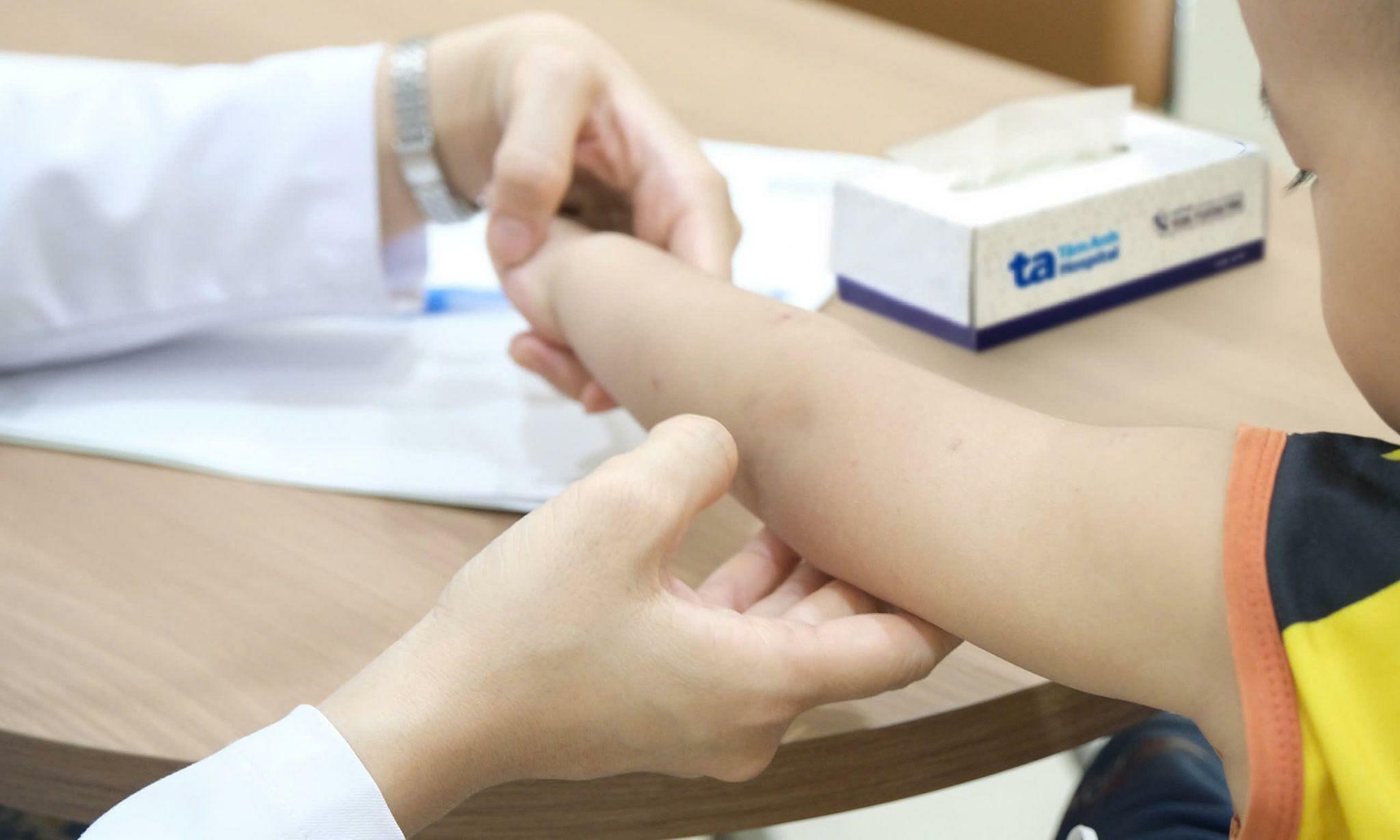
According to Everyday Health, tetanus shots are typically administered deep into the muscle of the arm. After the injection, individuals may experience pain, redness, swelling, or muscle tension at the injection site. These are common reactions. Therefore, doctors often advise patients to move their arm gently, walk, stretch, or massage lightly to alleviate discomfort.
However, weightlifting or intense physical activity immediately after vaccination can worsen arm pain. Attempting to lift weights while the arm is still sore can lead to altered posture, incorrect technique, and an increased risk of injury. Thus, those recently vaccinated should listen to their bodies, reduce exercise intensity, and avoid exercises that heavily strain the vaccinated arm for the first few days.
If there is no arm pain, fever, fatigue, and the individual feels well after the injection, light exercise is permissible. Activities such as walking, shoulder rotations, and gentle stretching are generally safe. Conversely, if symptoms like fatigue, headache, mild fever, nausea, vomiting, diarrhea, or loss of appetite occur, it is best to rest until these symptoms subside.
 |
Woman weightlifting. Photo: Vecteezy |
Woman weightlifting. Photo: Vecteezy
Some individuals may experience muscle soreness at the injection site for several days. During this time, it is advisable to postpone heavy exercises such as weightlifting, push-ups, pull-ups, or any movements that heavily strain the shoulders and arms. Individuals can switch to light lower-body exercises, but should still avoid overexertion if the body has not fully recovered. If severe pain, noticeable arm weakness, prolonged numbness, or restricted movement appears after vaccination, patients should seek medical attention instead of continuing to exercise.
Tetanus vaccine is administered to children and adults. Young children often receive it as part of a combination vaccine protecting against tetanus, diphtheria, and pertussis, either a 5-in-1 or 6-in-1 shot. Adults require booster shots every 10 years to maintain immunity. In cases of open wounds, contaminated wounds, or risk of exposure to soil, feces, or dirty water, doctors may recommend an earlier booster if the patient does not recall their last vaccination or if more than 5 years have passed since their last shot.
To reduce post-injection pain, apply a cold compress to the injection area for a short period, move the arm gently, and avoid applying strong pressure to the sore spot. Individuals with a history of significant post-injection pain should consult their doctor about using over-the-counter pain relievers like paracetamol or ibuprofen, provided there are no contraindications.
Right-handed individuals might consider getting the injection in their left arm, or vice versa, to minimize daily activity disruption. After vaccination, it is important to monitor the body's reactions. If pain, swelling, fever, or severe fatigue persists, contact a medical facility for advice.
In summary, light physical activity after a tetanus vaccine is generally safe if the body feels well. Weightlifting or strenuous exercise should be delayed for a few days, especially if the arm remains sore or weak. Short-term rest helps reduce discomfort, maintain proper exercise technique, and prevent unnecessary injuries.
Van Ha