Response:
After embryo transfer, the waiting period for embryo implantation often makes many women sensitive to changes in their bodies. However, sneezing does not dislodge the embryo or affect its ability to implant.
Sneezing is a natural physiological reflex that helps the body expel irritants such as dust, pollen, viruses, or allergens from the respiratory tract. After embryo transfer, women may sneeze due to weather changes, allergic rhinitis, sinusitis, colds, exposure to cigarette smoke, fine dust, or because the nasal lining becomes more sensitive due to hormonal changes during in vitro fertilization. These causes are common and are mostly unrelated to the embryo implantation process.
 |
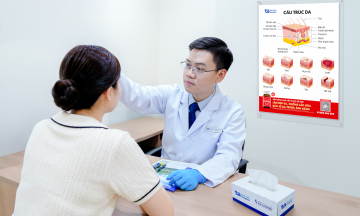
A doctor advises a woman after embryo transfer. Illustration: Tam Anh General Hospital |
Anatomically, after being transferred into the uterine cavity, the embryo resides within the uterine cavity, enveloped by the uterine lining. The cervix does not open, so the embryo cannot be pushed out simply by a few sneezes. The pressure generated during a sneeze primarily affects the respiratory tract and abdominal wall, which is insufficient to alter the embryo's position in the uterus. Similarly, common daily activities such as gentle walking, sitting up, laughing, or coughing do not decrease the pregnancy success rate.
What you need to note is the cause of this condition. If you only sneeze a few times a day without other symptoms, there is no need to worry excessively. If sneezing persists for many days, is continuous, and is accompanied by fever, heavy coughing, sore throat, severe nasal congestion, shortness of breath, or signs of a respiratory infection, you should inform your treating doctor for examination and appropriate management. Early treatment helps control the illness, preventing it from affecting your health during the period awaiting embryo transfer results.
To limit sneezing, maintain a clean living environment, and avoid exposure to dust, pollen, pet dander, cigarette smoke, or strong chemical odors. When going out, wear a mask, keep your body warm if the weather is cold, drink enough water to maintain moisture in the respiratory tract lining, and rinse your nose with physiological saline when necessary. Adequate rest and a nutritious diet also contribute to boosting immunity and reducing the risk of respiratory illnesses.
You should not self-medicate with antihistamines, cold medicine, or nasal sprays without the advice of your IVF treating doctor. Some medications may be unsuitable in early pregnancy or require careful consideration of benefits and risks.
Adhere to medication instructions, maintain a comfortable psychological state, get adequate rest, and attend follow-up appointments as scheduled. If any unusual symptoms appear or if you suspect a respiratory illness, you should contact your treating doctor for timely consultation and management.
Master of Science, Doctor Nguyen Le Thuy
Center for Reproductive Support
Tam Anh General Hospital Hanoi
| Readers can send questions about infertility here for doctors to answer. |