Vitamin D is an essential nutrient for women, helping the body absorb calcium and phosphorus, contributing to strong bones, muscle strength, and immune system support. Limited sun exposure, an unbalanced diet, or certain health factors can increase the risk of vitamin D deficiency. Supplementing vitamin D through food and maintaining a suitable lifestyle supports long-term health.
Fatty fish
According to Eating Well, fatty fish like salmon, mackerel, and herring contain abundant natural vitamin D, making them suitable for women to include in their diet. Vitamin D helps maintain bone density, reducing the risk of osteoporosis and fractures, especially during pre-menopause and menopause. Fatty fish are also rich in omega-3 fatty acids, which support cardiovascular health, reduce inflammation, and help maintain brain function. Women should eat fatty fish about two times per week to supplement these essential nutrients.
Egg yolks
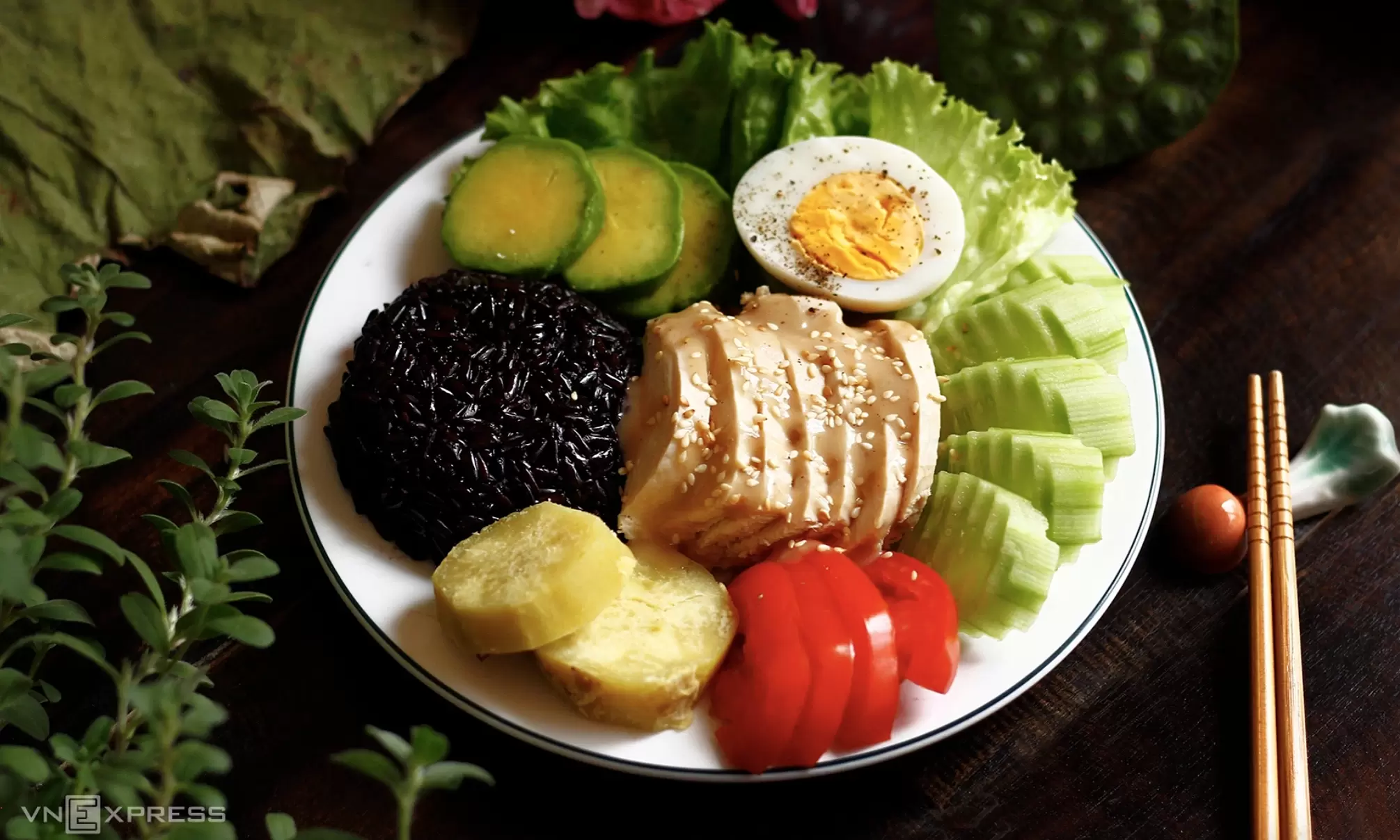
Egg yolks contain natural vitamin D, helping the body absorb calcium and contributing to strong teeth. Eggs are also rich in choline, vitamin B12, selenium, and antioxidants like lutein and zeaxanthin, which support brain function, boost immunity, and protect eye health. Incorporating eggs into a balanced diet is a simple way to add many beneficial nutrients.
 |
Eggs and fatty fish are rich in vitamin D. Photo: Tam Anh Hospital |
Beef liver
An 85 g serving of cooked beef liver provides about 40-42 IU of vitamin D, equivalent to about 5-7% of an adult's daily vitamin D requirement (600 IU/day). This food is also rich in iron, vitamin A, B12, folate, and zinc, supporting red blood cell formation, boosting immunity, and maintaining vision and nerve function. However, because beef liver is high in cholesterol, women should consume it in moderation, about one to two times per week, to ensure nutritional balance.
Mushrooms
Mushrooms are one of the few plant-based foods containing vitamin D, especially varieties exposed to UV light during cultivation. This makes them a healthy option for vegetarian women or those who consume less fish and dairy products.
Mushrooms are also rich in fiber, B vitamins, potassium, and antioxidants, supporting immunity, cardiovascular health, and metabolism. You can prepare mushrooms in various dishes such as stir-fries, soups, steamed dishes, or salads, making meals more diverse and nutritious, according to Very Well Health.
Le Nguyen (Compiled)
| Readers can submit questions about obstetrics and gynecology here for doctors to answer |