


Answer:
Cold weather and high humidity create favorable conditions for bacteria and viruses to thrive. When air humidity consistently exceeds 80%, homes become damp, promoting the growth of mold and dust mites, which can irritate children's respiratory tracts.
The most common illnesses during this period include rhinopharyngitis, bronchitis, and pneumonia. Children with allergies or asthma are prone to severe relapses when the weather turns cold and humid. Viruses causing seasonal flu, measles, chickenpox, and hand-foot-mouth disease can linger on surfaces like toys and doorknobs, spreading rapidly in enclosed spaces during cold weather.
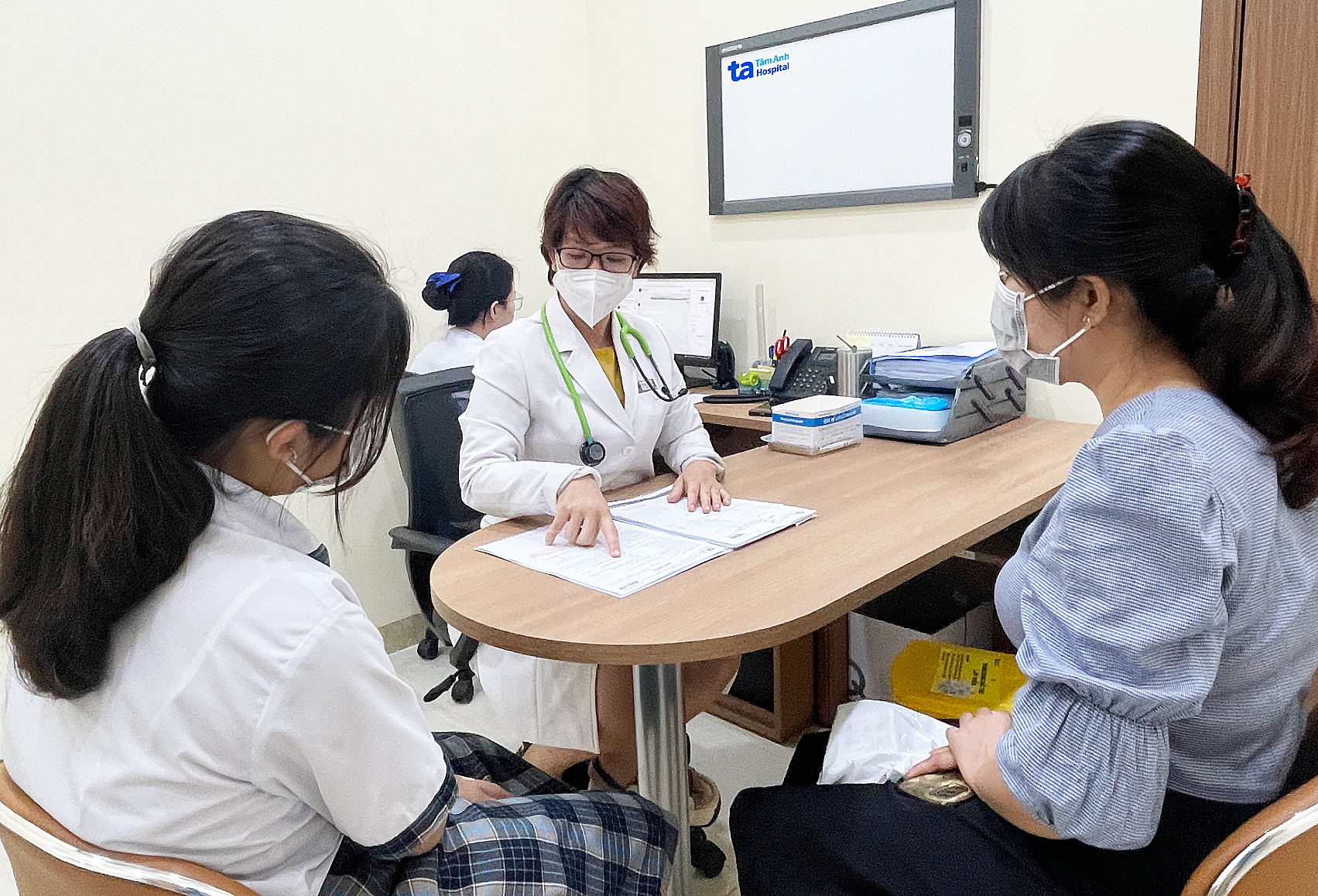 |
BS.CKI Tran Thi Thu Thao, Department of Pediatrics, examines a child with a respiratory infection. Photo: Benh vien Da khoa Tam Anh
Children are also more susceptible to illness due to their immature immune systems. They lack the ability to regulate body temperature effectively, and sudden changes from cold to warm (or vice versa) can easily damage the respiratory tract lining.
To boost children's immunity in cold weather, ensure they consume dark green vegetables, carrots, papaya, and citrus fruits to supplement vitamins A and C. Zinc-rich foods such as beef, eggs, and various beans help the immune system function more efficiently. Probiotics found in yogurt and fermented foods aid digestion and nutrient absorption. It is advisable to avoid giving children many cold foods like ice cream and limit soft drinks. Caring for children's health in cold weather involves not only keeping them warm but also maintaining a dry and airy living environment.
Parents should review their child's immunization record to ensure all important vaccines are up to date, including seasonal flu, measles - mumps - rubella, and chickenpox. Additionally, ensure vaccines for digestive diseases like rotavirus (for young children), cholera, and typhoid are administered. For eligible children, insect-borne disease vaccines such as Japanese encephalitis and dengue fever should also be considered. Vaccines are most effective when administered on schedule and with the full dosage. Delayed vaccination or missing booster shots can lead to a decrease in antibody levels, making children more vulnerable to illness.
Many parents delay vaccinations because outbreaks have temporarily subsided or due to busy schedules, causing them to miss their child's immunization appointments. Unprotected children often experience rapid disease progression and are susceptible to severe complications like pneumonia, encephalitis, and respiratory failure. After vaccination, children should remain at the immunization site for at least 30 minutes, with continued monitoring at home for approximately 24-48 hours. If a child exhibits signs of persistent high fever, prolonged crying, lethargy, or difficulty breathing, parents should seek medical attention promptly.
BS.CKI Tran Thi Thu Thao
Department of Pediatrics, Benh vien Da khoa Tam Anh TP HCM
| Readers can submit questions about neonatology here for a doctor's response |





