


High blood pressure is a leading risk factor for stroke and cardiovascular disease, often developing silently over many years. Beyond medication, diet plays a crucial role in managing blood pressure and protecting cardiovascular health. Master, doctor Doan Vinh Binh from the Medical Information Center at Tam Anh General Hospital, Ho Chi Minh City, highlights the following food groups beneficial for blood pressure.
Green vegetables and fresh fruits
Green leafy vegetables, bananas, oranges, grapefruits, apples, watermelons, and tomatoes provide potassium, fiber, and antioxidant compounds. Potassium helps enhance the excretion of excess sodium through urine, thereby controlling blood pressure. Antioxidants contribute to protecting blood vessels and maintaining arterial wall elasticity.
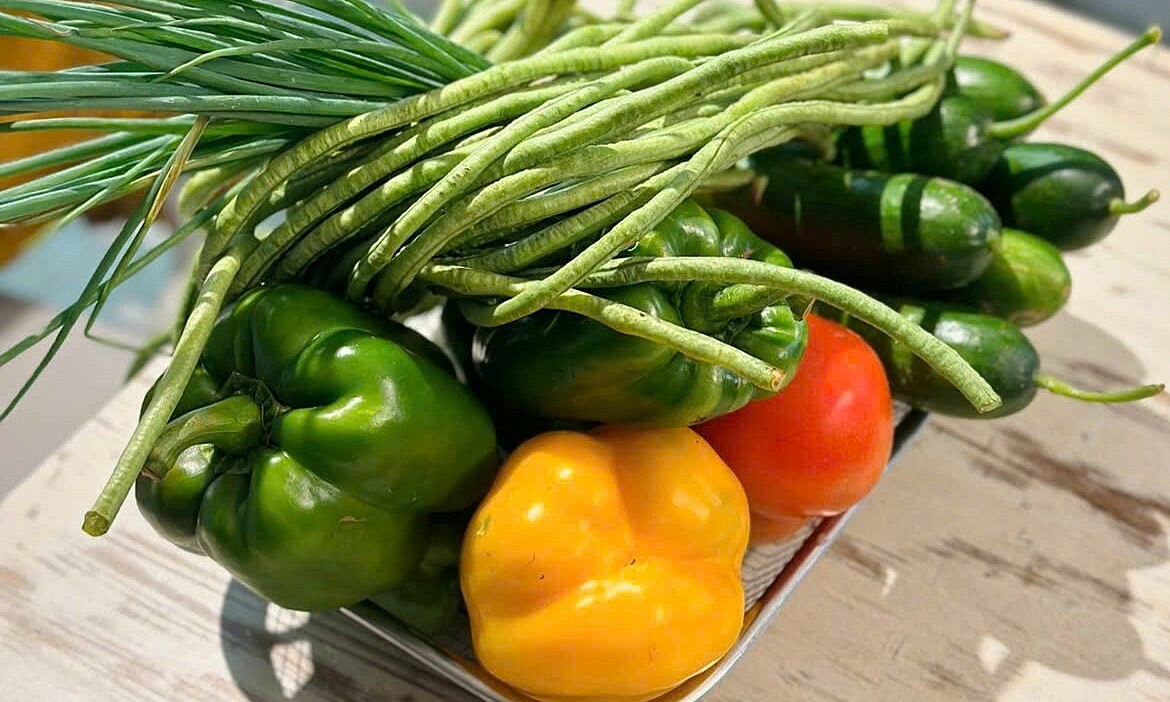 |
Green vegetables and fresh fruits are rich in vitamins, potassium, and fiber, helping to control blood pressure. Photo: Dinh Dieu
Fatty fish
Salmon, herring, and mackerel are rich in omega-3 fatty acids, which have anti-inflammatory properties, help improve blood fat levels, and contribute to reducing the risk of atherosclerosis. Individuals should eat fatty fish about two to three times per week for heart health.
Legumes
Green beans, red beans, and soybeans are rich in fiber, amino acids, and certain bioactive compounds that help protect blood vessels. Isoflavones in soybeans can help slightly reduce blood pressure in individuals with hypertension when consumed daily.
Nuts
Chia seeds, walnuts, almonds, and cashews are rich in unsaturated fatty acids, vitamin E, and polyphenols. These compounds help reduce inflammation, lower bad cholesterol, and increase good cholesterol, benefiting blood vessels.
Whole grains
Oats, brown rice, and other whole grains retain soluble fiber and B vitamins. These help stabilize blood sugar and limit visceral fat accumulation, a risk factor linked to high blood pressure. You can replace some refined carbohydrates with whole grains for lighter, more balanced meals.
Natural spices
Garlic, ginger, and olive oil benefit blood pressure and cardiovascular health. Allicin in garlic helps control blood pressure and regulate blood fats. Ginger has anti-inflammatory properties, contributing to protecting blood vessels from atherosclerosis risk. Olive oil, rich in monounsaturated fats, can reduce blood fat levels.
Beyond diet, a healthy lifestyle also helps control blood pressure. Doctor Binh advises everyone to maintain a healthy weight, exercise regularly, drink enough water, get sufficient sleep, limit alcohol, avoid smoking, and prevent prolonged stress. Patients should check their blood pressure regularly. Supplementing with the natural extract GDL-5 (Policosanol) from South American sugarcane wax can help reduce total cholesterol, limit the risk of atherosclerosis, and manage blood pressure.
Dinh Dieu
| Readers can submit nutrition questions here for a doctor's answers. |


