


When temperatures drop, blood vessels tend to constrict to conserve heat, increasing vascular resistance, blood pressure, and the risk of blood clot formation. Cardiovascular events like stroke and heart attack often rise in winter, particularly among elderly individuals and those with underlying conditions such as hypertension, diabetes, or dyslipidemia.
According to nutritionist Nguyen Thi Quynh from Tam Anh General Hospital in Hanoi, a scientific diet helps maintain body warmth and is a crucial factor in protecting blood vessels.
Omega-3 rich foods
Salmon, mackerel, and sardines can reduce inflammation, inhibit platelet aggregation, and improve blood vessel wall elasticity. Consuming fish two to three times weekly helps lower the risk of cardiovascular disease and stabilizes blood pressure in cold weather.
Green vegetables and fresh fruits
Dark leafy greens, cruciferous vegetables, tomatoes, and carrots, along with vitamin C-rich fruits like oranges, grapefruits, kiwis, and guavas, boost antioxidants. These nutrients protect the vascular endothelium from free radical damage, slowing atherosclerosis and maintaining vessel integrity. In cold weather, adequate intake of vegetables and fruits also improves immunity, indirectly reducing the risk of infections that can exacerbate cardiovascular conditions.
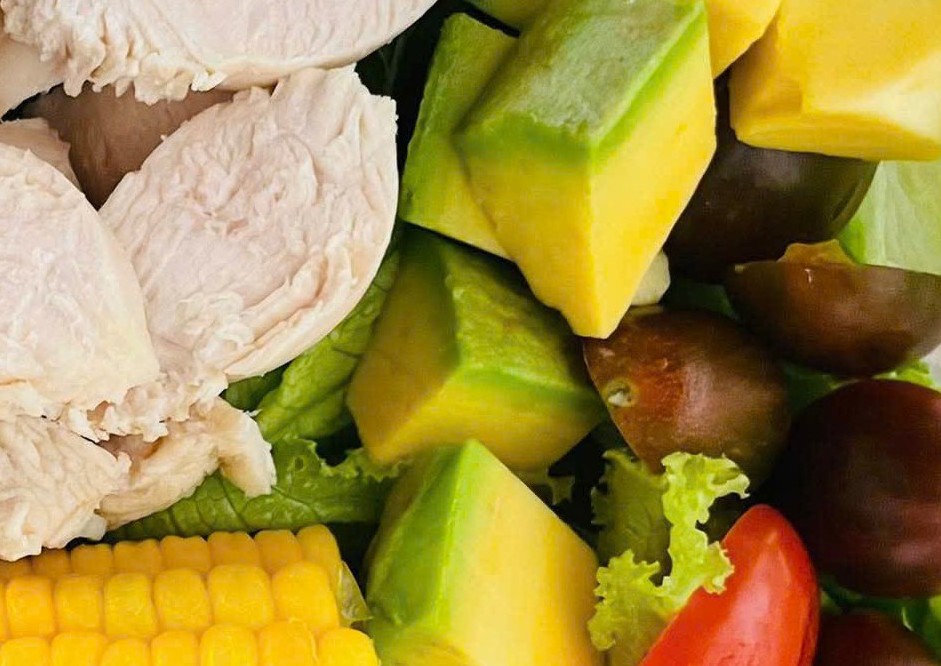 |
Fresh fruits help slow down the process of vascular atherosclerosis. Illustration: Thanh Ba |
Nuts and healthy vegetable oils
These are sources of unsaturated fats and vitamin E, which protect blood vessel walls and regulate blood lipids. Walnuts, almonds, chia seeds, flaxseeds, and olive oil can reduce bad cholesterol and increase good cholesterol. When consumed appropriately, these foods help limit the formation of atherosclerotic plaques, thereby reducing the risk of vascular obstruction during winter.
Warming spices like garlic, ginger, turmeric, and onion
Garlic reduces platelet stickiness and supports blood circulation. Ginger warms the body and improves peripheral circulation (blood flow to parts distant from the heart). Turmeric is rich in curcumin, an anti-inflammatory compound beneficial for blood vessel walls. Incorporating these spices into daily meals promotes enhanced circulation.
Whole grains
Oats, brown rice, and whole-wheat bread provide abundant soluble fiber, helping to control blood lipids and stabilize blood sugar. This is important for individuals with diabetes or metabolic disorders, a group prone to vascular complications in cold weather. Maintaining a breakfast with oats or other whole grains provides energy and supports cardiovascular function.
Potassium and magnesium rich foods
Bananas, avocados, sweet potatoes, and various beans are rich in potassium, which helps regulate blood pressure and supports heart muscle activity. Potassium balances the effects of sodium, while magnesium participates in vasodilation and cardiovascular nerve transmission. Adequate supplementation of these minerals can limit excessive vasoconstriction when the weather is cold.
Alongside increasing beneficial foods, it is essential to limit salt, animal fats, processed foods, and alcoholic beverages. High salt intake raises blood pressure, while saturated fats and trans fats promote atherosclerosis. Alcohol can cause heart rhythm disorders and lead to uncontrolled blood pressure, posing particular dangers in cold weather.
Individuals with underlying cardiovascular conditions, hypertension, or diabetes need to pay closer attention to their diet during winter. Maintain balanced meals, divide portions, combine with sufficient warm water intake, and engage in light exercise. Those with underlying conditions should adhere to treatment, undergo regular health check-ups, and monitor blood pressure at home as crucial measures to prevent complications. Combining a healthy diet, staying warm, regular exercise, and good management of underlying conditions helps reduce the risk of blood clots, stroke, and other cardiovascular diseases in winter.
If unusual symptoms appear, such as severe headache, numbness or weakness in limbs, difficulty speaking, chest pain, or shortness of breath, patients should seek immediate medical attention. Early detection and timely intervention significantly reduce the risk of dangerous cardiovascular events.
Thanh Ba
| Readers can submit nutrition questions here for a doctor's response. |


