


Fatty liver disease is a condition where fat accumulation in the liver exceeds 5% of its weight. The disease is categorized into two types: alcoholic fatty liver disease and non-alcoholic fatty liver disease.
Doctor Doan Vinh Binh, from the Medical Information Center, Tam Anh General Hospital Ho Chi Minh City, stated that the disease commonly affects individuals aged 40 and above. However, there is a growing trend of younger patients, with many cases diagnosed in their 20s and 30s. Fatty liver disease often progresses silently with few symptoms in its early stages. If left untreated, it can lead to impaired liver function, progressing to fatty hepatitis, cirrhosis, and liver cancer.
Several groups of people have a higher-than-average risk of developing fatty liver disease.
Overweight and obesity are leading risk factors for fatty liver disease, affecting approximately 50-70% of cases. Excess weight increases insulin resistance, forcing the liver to convert surplus sugar into fat and store it in liver cells, leading to fat accumulation. Individuals who are overweight or obese should lose weight and maintain a stable weight to help control and prevent fatty liver disease.
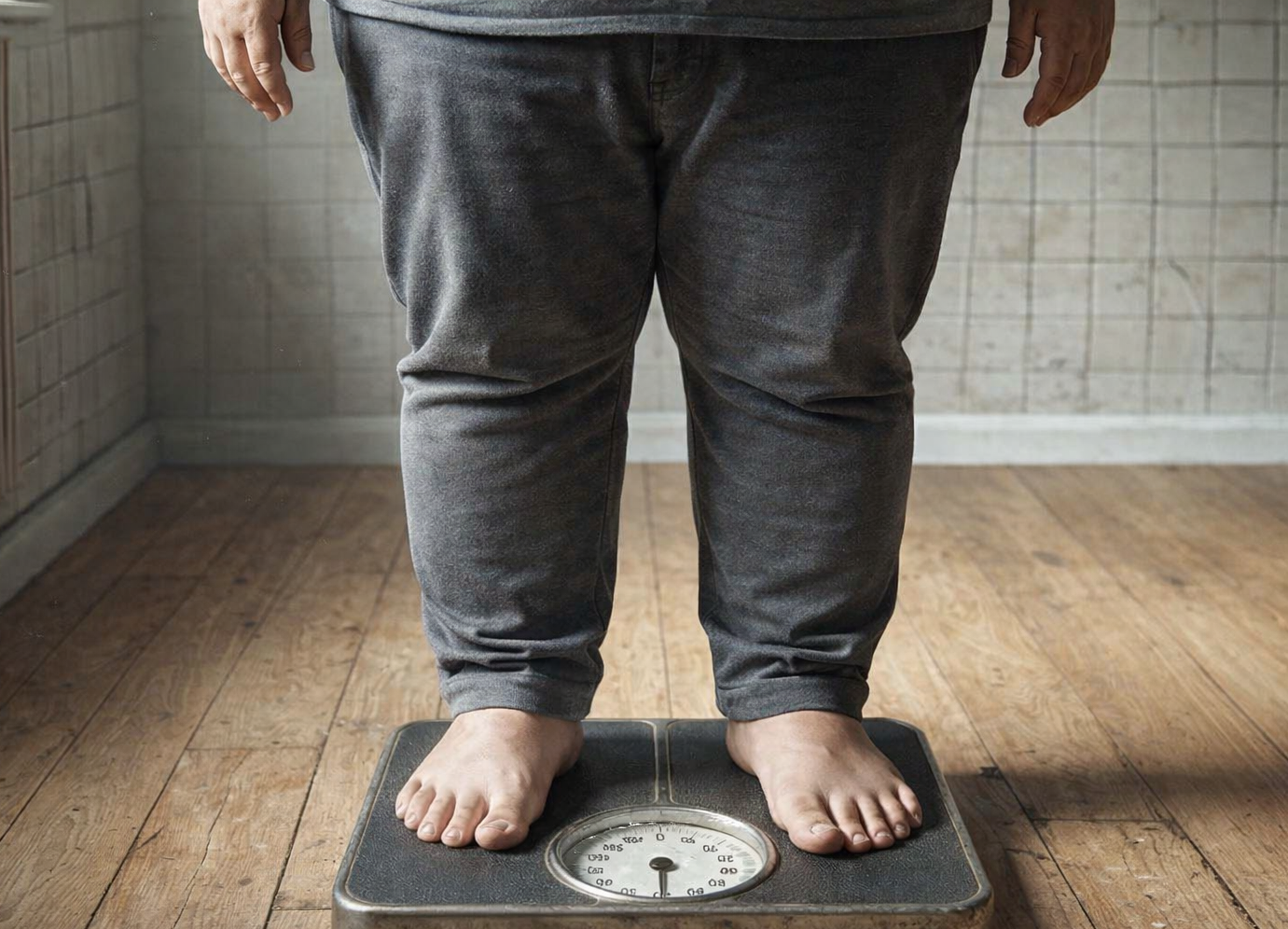 |
Overweight and obesity are primary risk factors for fatty liver disease. Image created by AI. |
Prolonged excessive alcohol consumption leads to fat accumulation in the liver, causing alcoholic fatty liver disease, liver cell damage, and potentially progressing to hepatitis and cirrhosis. This occurs because alcohol forces the liver to overwork during metabolism, impacting fat processing.
Sedentary individuals expend less energy, which allows excess fat to accumulate easily in the liver. Engaging in 30 minutes of physical activity daily, three to five sessions per week, such as walking, cycling, or swimming, helps improve insulin sensitivity and reduces the risk of fatty liver disease.
Individuals with an unbalanced diet, particularly those who frequently consume fast food and fried dishes, are prone to fatty liver disease. The high fat content in these foods increases the liver's workload, forcing it to process excess fat. Over time, this overload leads to fat accumulation in the liver.
Individuals with metabolic disorders, such as dyslipidemia, type 2 diabetes, or prediabetes, often experience hyperglycemia, insulin resistance, and high blood lipid levels. These conditions promote the synthesis and accumulation of fat in the liver, accelerating the development of fatty liver disease.
Doctor Binh advises high-risk individuals to lose weight if overweight or obese, adopt a scientific diet, limit alcohol consumption, increase physical activity, and maintain a healthy lifestyle. These measures contribute to reducing liver fat and improving liver function. Regular health check-ups are also recommended to monitor metabolic diseases and risk factors, ensuring timely treatment. Supplementing with natural essences like Wasabia and S.marianum may help control Kupffer cell activity, thereby enhancing detoxification and reducing the risk of fatty liver disease.
Dinh Dieu
| Readers can submit questions about digestive diseases here for a doctor's answers. |


