


Doctor Nguyen Tien Dung, Deputy Director of the Stroke Center at Bach Mai Hospital, explained that when environmental temperatures drop low, the body's natural reflex is to constrict peripheral blood vessels to limit heat loss. This constriction narrows the blood vessel lumen, causing a sudden increase in blood flow pressure, or hypertension. This is a primary factor leading to blood vessel rupture, also known as cerebral hemorrhage, or the detachment of atherosclerotic plaques, which can cause blockages.
Cold weather also causes blood to become thicker, increasing its viscosity and making circulation more difficult. If a blood clot travels to the brain and gets stuck, it can lead to a cerebral infarction.
Furthermore, many people have a habit of "keeping warm" by drinking alcohol, believing these beverages will warm them up. However, this is a misconception, as alcohol only dilates blood vessels, creating a false sense of warmth. Afterward, it causes the body to lose heat faster and blood pressure to fluctuate wildly. Combined with a sedentary lifestyle and consuming fatty foods in cold weather, these factors create a "perfect storm" for stroke.
Doctor Dung noted that people, especially the elderly and those with underlying medical conditions such as hypertension, diabetes, and cardiovascular disease, need to be cautious in the early morning immediately after waking up. This is when the body transitions from rest to activity, and due to the significant temperature difference between inside and outside the room, the body's adaptive response often causes blood pressure to rise. Getting up too quickly and immediately exposing oneself to cold air can lead to serious incidents.
Going to the bathroom at night also involves a change in environment, from a warm bed to a cold bathroom. Not dressing warmly enough can trigger sudden vasoconstriction. Moreover, bathing with overly cold water or showering too late at night are also high-risk factors.
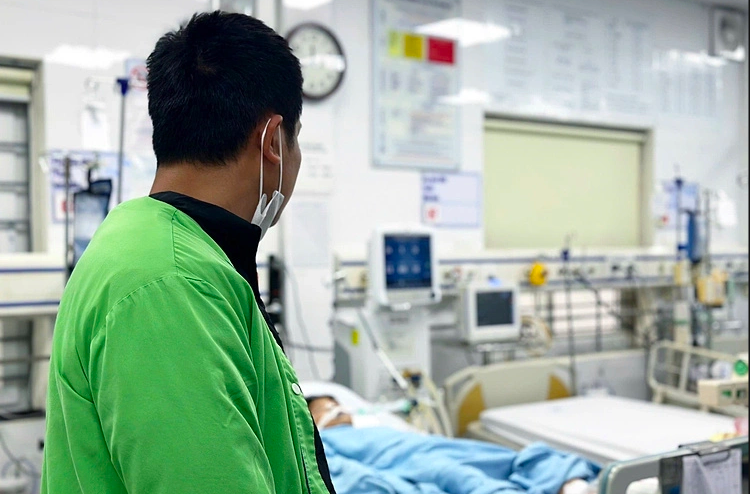 |
A child patient suffering a stroke due to a cerebral vascular malformation, despite being healthy beforehand. *Photo: Thuy Quynh* |
To protect health when the weather turns cold, Doctor Dung recommends proper body warming. Always dress warmly, especially covering crucial areas like the head, neck, chest, and feet. When going outside, remember to wear a hat, scarf, and mask.
The "3-minute delay" rule involves not getting out of bed immediately upon waking in the morning. Instead, lie in bed for about 3 to 5 minutes, move your limbs, and rub your face to allow the body to adapt. Then, slowly sit up and put on extra warm clothing before leaving the room.
Additionally, it is essential to control blood pressure and underlying medical conditions. Individuals with a history of hypertension must strictly adhere to their prescribed medication. Never stop taking medication or change dosages without consulting a doctor. Having a home blood pressure monitor for regular tracking is advisable.
Everyone also needs a healthy diet and lifestyle. Minimize alcohol and tobacco consumption, as alcohol causes false vasodilation, followed by strong vasoconstriction, which is very dangerous. Reduce salt intake. Drink enough warm water and avoid overly cold food. Engage in light indoor exercise instead of going outdoors too early when there is still heavy frost.
Stroke is an extreme medical emergency. "Time is brain" - with each passing minute, millions of brain cells die if blood flow is not restored promptly. Doctor Dung strongly advises against self-treating with folk remedies such as pricking fingertips or toes to draw blood, cao gio (coin rubbing), giving lemon juice, or consuming unproven medications. These methods only waste precious time for patient treatment.
Le Nga





