The area behind the knee joint, located between the hamstrings and calf muscles, often flexes as the leg bends and extends. Pain in this region is common, sometimes appearing briefly during exercise, prolonged sitting, or sudden standing. However, if the pain persists for many days, affecting mobility, it may indicate external soft tissue damage or internal knee joint issues.
Below are some common causes of pain behind the knee:
Synovitis occurs when articular cartilage wears down or is damaged, causing bone ends to rub. This leads to pain that spreads from the front to the back of the knee, often accompanied by joint stiffness and restricted movement. Pain typically worsens with activity and improves with rest.
A baker's cyst forms when joint fluid accumulates behind the knee, creating a bulge. As the cyst grows, it causes tension, pain in the back of the knee, and difficulty bending or extending the leg. In some cases, a ruptured cyst can cause pain and swelling to spread down the calf.
A posterior cruciate ligament (pcl) injury causes noticeable swelling, pain behind the knee, joint instability, and restricted movement. This condition typically results from a strong impact to the knee joint, such as falls, sports injuries, traffic accidents, or daily activities.
Tendonitis develops when tendons around the knee joint become irritated or overloaded due to repetitive movements. This leads to a dull ache behind the knee, often with a mild burning sensation, especially when bending or extending the leg or standing for long periods.
 |
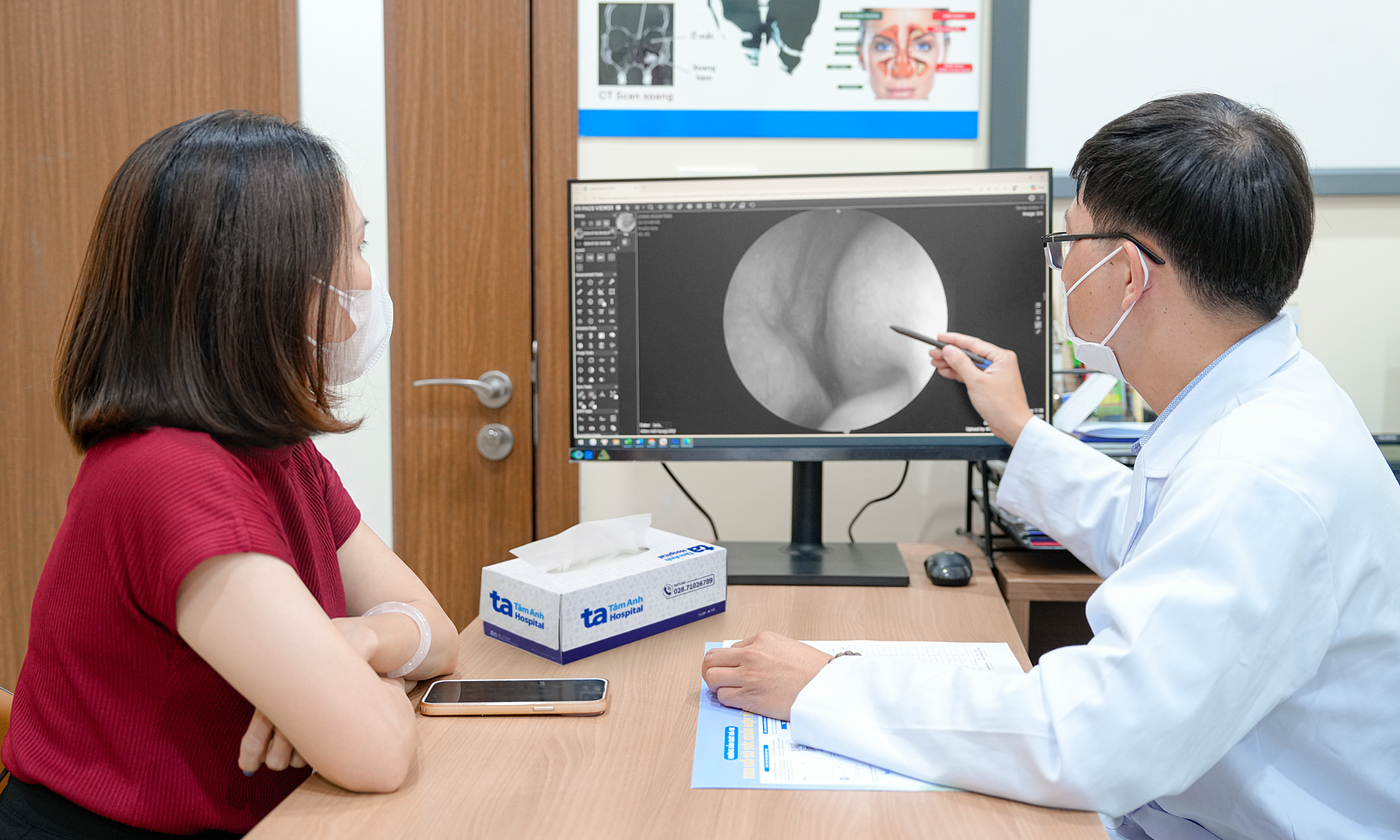
Doctor examines a patient with knee pain. Illustration: Tam Anh General Hospital. |
Doctor examines a patient with knee pain. Illustration: Tam Anh General Hospital.
A meniscus tear causes knee pain and restricted movement, often occurring with sudden knee twisting or sports injuries. The pain may radiate to the back of the knee and be accompanied by a sensation of joint locking or a clicking sound during movement.
Thigh or calf muscle strains or tears are common results of overexertion or insufficient warm-up before physical activity or sports. They cause pain behind the knee, which worsens with continued movement or muscle stretching.
Deep vein thrombosis (dvt) occurs when a blood clot forms in a leg vein. This can cause pain behind the knee, swelling, warmth, and tension in the leg, with intermittent pain that may disappear and then return. This is a dangerous condition requiring early detection and treatment to prevent complications.
If you experience persistent pain behind your knee for many days, without improvement even with rest, affecting your mobility and making it difficult to bend or extend your leg and walk, you should seek an early examination at a specialized hospital. Doctors will assess clinical symptoms, inquire about your injury history, and order necessary tests and imaging such as X-rays or MRI scans. A correct diagnosis ensures effective treatment, rapid pain relief, and prompt restoration of mobility.
Master Doctor Pham Thu Phuong
Deputy Head of Musculoskeletal Department
Tam Anh Cau Giay General Clinic
| Readers can send questions about musculoskeletal conditions here for doctors to answer. |