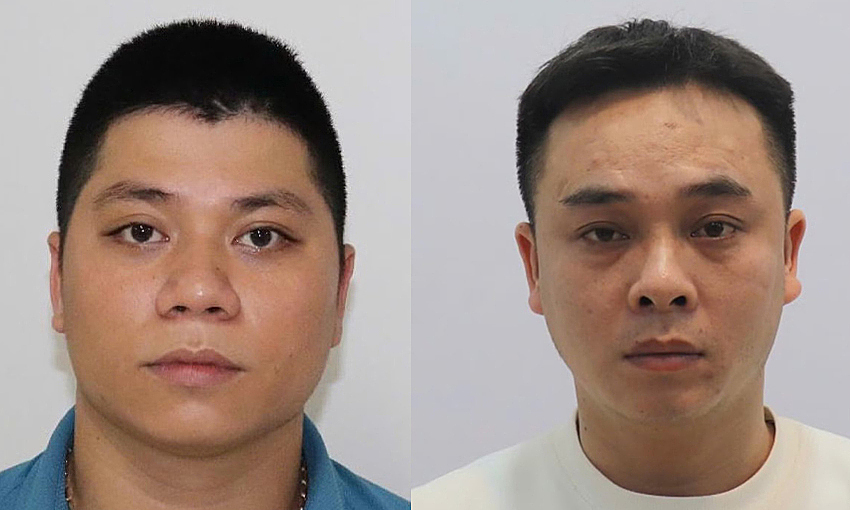
The 101-page lawsuit, filed with the New York Supreme Court on 16/9, has garnered national attention across the United States. According to the complaint, the victim, then 20 years old and a sorority member, was sexually assaulted by seven members of the Chi Phi fraternity during a multi-hour encounter involving drug use.
The filing includes screenshots of Snapchat messages in which one man used sexually explicit language about women, receiving enthusiastic responses from others.
Information quickly spread on social media. Many demanded action against the accused, sharing their images and identifying details. Others urged caution, noting discrepancies between the lawsuit's content and the student's initial report in 2024. Some even sought to identify the plaintiff.
Case previously closed
When the incident was first reported in 2024, Tompkins County District Attorney Matthew Van Houten decided not to pursue criminal charges. According to him, the female student at the time described the drug use and sexual activity as voluntary, conscious, and consensual.
Lawyers for two of the seven accused have denied the allegations. Some also suggested that the described conduct might not constitute a crime under New York law.
However, after the lawsuit became public, Van Houten announced the reopening of the case. He acknowledged that the process of therapy and recovery from sexual assault can span many years, requiring victims time to fully comprehend what occurred.
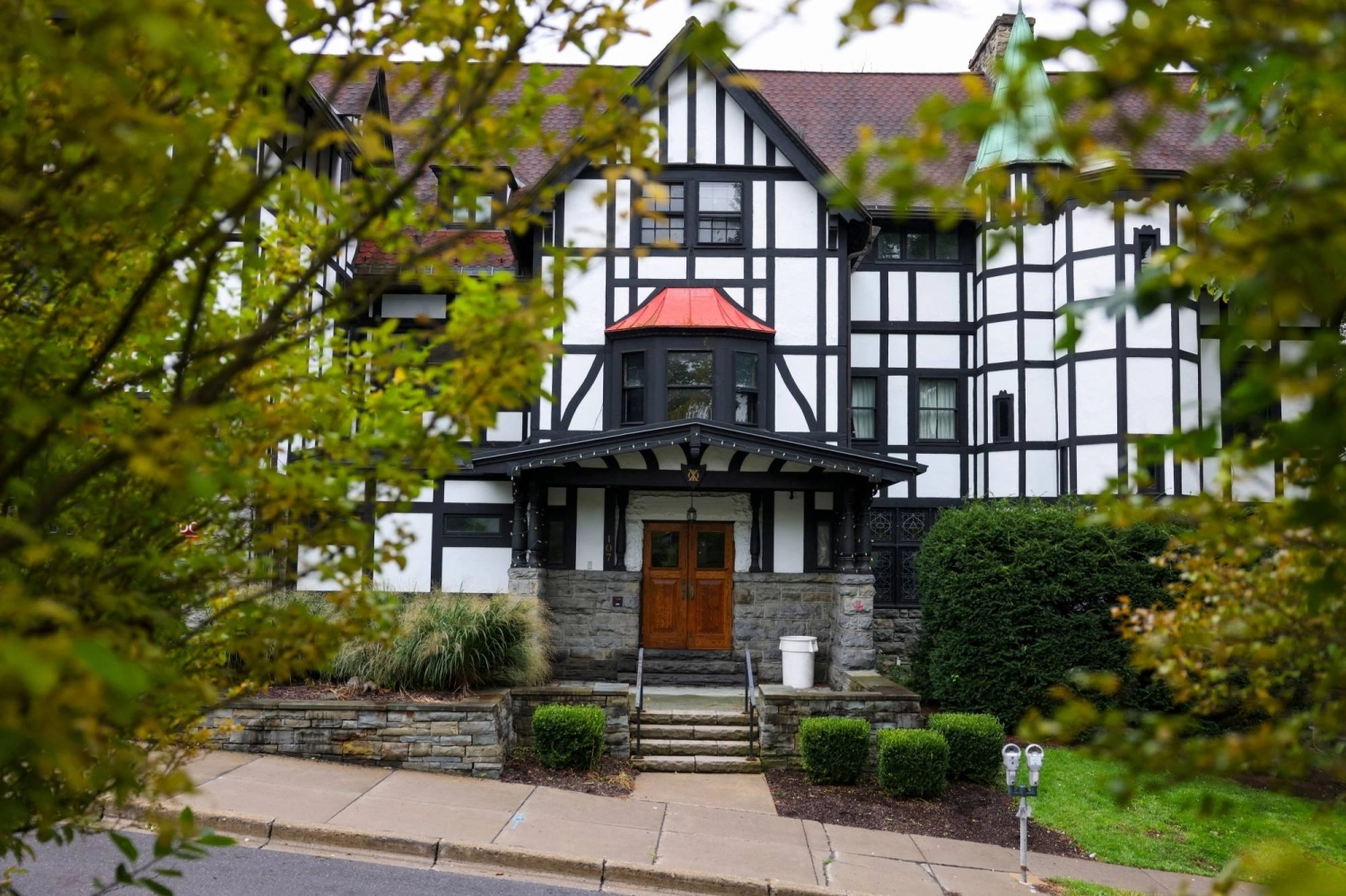 |
The Chi Phi fraternity house at Cornell University in Ithaca, New York. Cornell University is part of the Ivy League – eight prestigious private universities in the US. Photo: Reuters |
This development has shifted the debate to a complex issue: how to determine consent when an individual has used intoxicating substances, and how authorities evaluate initial reports immediately following an incident.
Experts and activists also caution against rushing to conclusions while the investigation is ongoing. Some cite past controversial cases of false accusations at US universities as a warning. However, research indicates that false accusations are estimated to account for only 2% to 10% of reported cases.
The debate continues
The incident at Cornell University follows a series of campus sexual assault cases that have drawn national attention. These include Columbia University student Emma Sulkowicz carrying a mattress around campus to protest the handling of her complaint, and Summer Willis crawling on her hands and knees to the Texas state capitol to demand changes to a legal loophole that prevented her assault from being prosecuted.
Laura L. Dunn, a lawyer specializing in victim advocacy for school-related sexual assault cases, views the Cornell incident through her own experience. In 2004, while a student at the University of Wisconsin-Madison, Dunn reported being assaulted by two male teammates on the rowing team, but no criminal charges were filed.
She argues that the emergence of a similar case after about 20 years demonstrates that the debate over how universities handle sexual assault allegations remains unresolved.
Over a decade, federal policy on how universities address these allegations has also undergone multiple changes. In 2011, the administration of President Barack Obama required educational institutions to fulfill their responsibilities under Title IX – a federal regulation prohibiting sex-based discrimination in education – in handling sexual violence.
However, these regulations also faced criticism for allegedly impacting the due process rights of the accused. President Donald Trump's administration withdrew the guidance in 2017; the Joe Biden administration later issued regulations expanding some protections for accusers before these were again reversed during Donald Trump's term.
Campus safety concerns
For Cornell students, the controversy extends beyond legal accountability to a sense of safety.
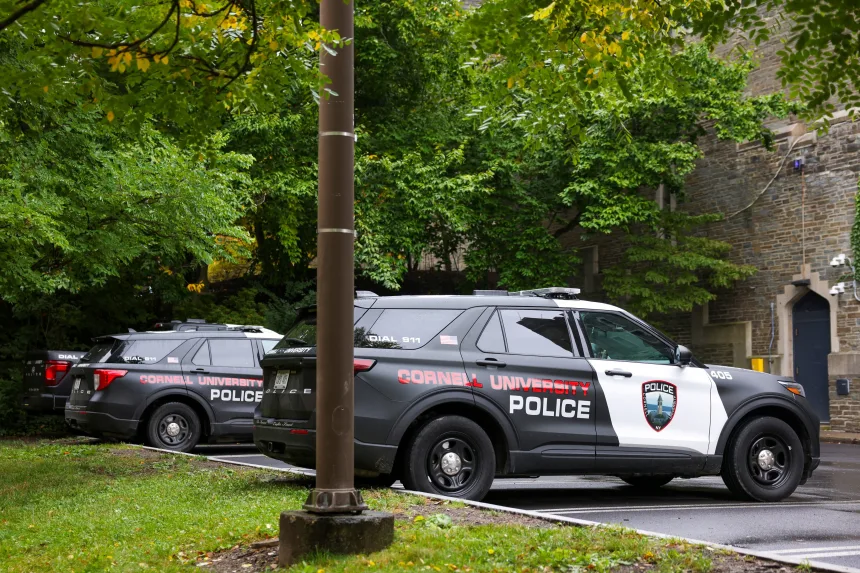 |
A police car parked on the Cornell University campus, 29/9. Photo: Reuters |
Saanya Agarwal, then a second-year student, recalls Cornell's announcement of the 2024 sexual assault incident. The notice mentioned multiple accused males but provided limited information. Subsequently, Agarwal joined the student council, advocating for increased transparency from the university and fraternity and sorority organizations.
Cornell has banned the Chi Phi fraternity from campus activities and established a task force to investigate sexual assault. However, Agarwal believes that the lack of information still leaves students uncertain about exactly what happened and whether an involved individual might be in their classes or frequenting their usual spots.
The Cornell case once again brings the debate on campus sexual assault back to a core question: how to protect accusers, ensure the rights of the accused, and simultaneously create an environment transparent enough for students to feel safe.
Tue Anh (according to CNN)