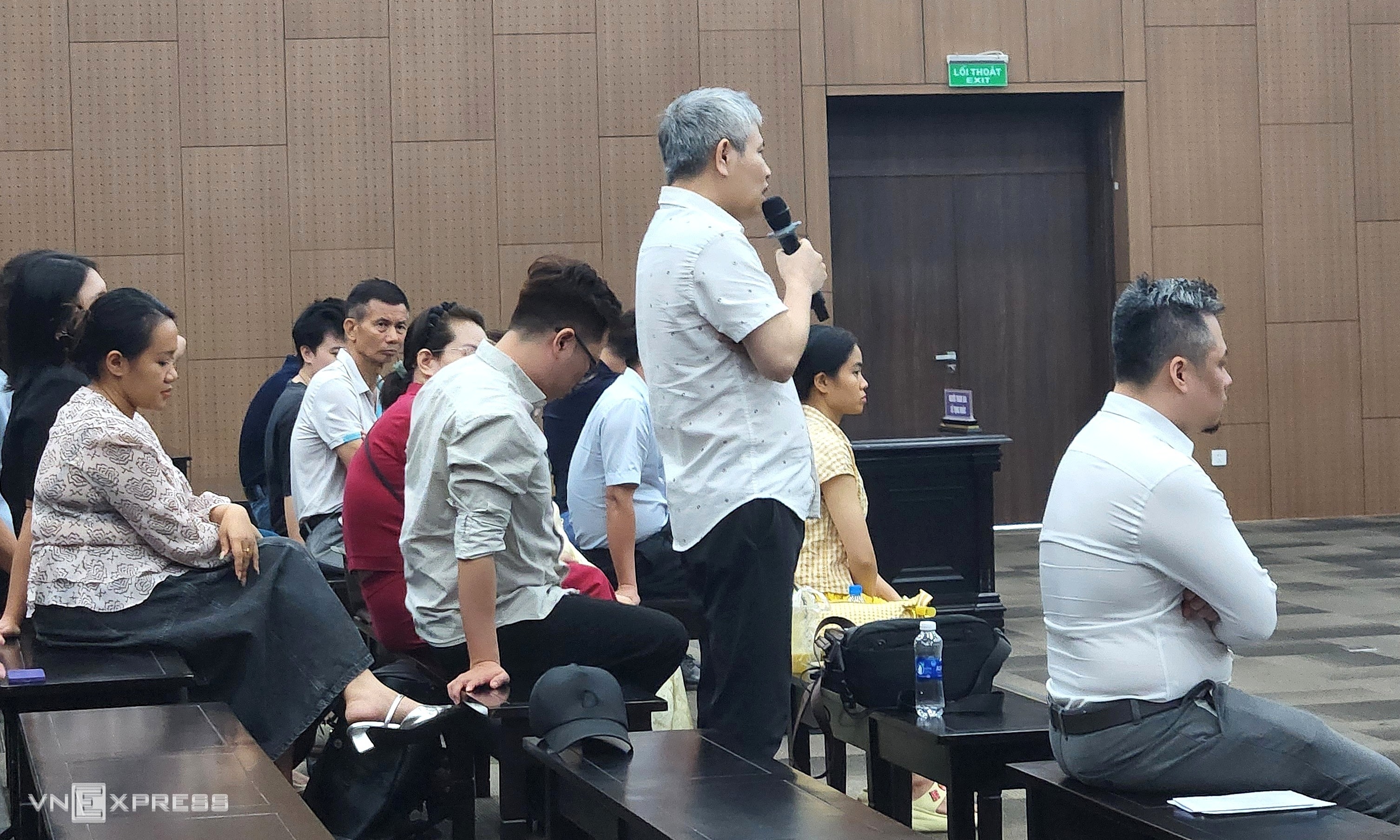
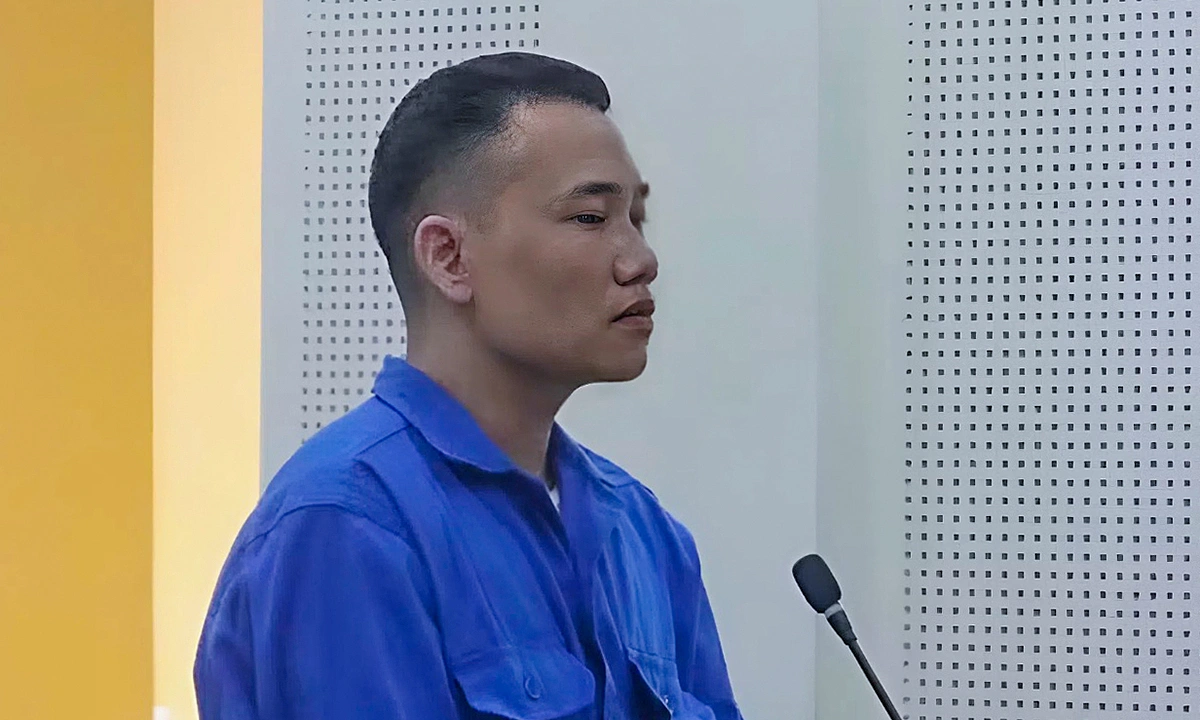
On 2/7, Pham Vu Khiem, 51, director of Herbitech Technology Company Limited, faced trial at the People's Court of Hanoi on three charges: producing and trading counterfeit food, food additives; violating accounting regulations causing serious consequences; and money laundering.
Tran Thi Hue, Khiem's wife, and 17 other defendants were indicted on charges of producing and trading counterfeit food and food additives, or violating accounting regulations, resulting in serious consequences.
Over a five-year period, Herbitech released more than 12,9 million fake product units, including bottles, jars, tubes, sachets, and pills. This operation generated over 10 billion VND in revenue and nearly 1,4 billion VND in illicit profits.
The People's Procuracy revealed that from 4/2020 to 4/2025, Khiem orchestrated a "two-faced" production process with his wife and employees. Although these health protection food products were officially registered for quality with regulatory bodies, Khiem instructed the reduction of ingredients, decreased content, or replacement of raw materials with cheaper alternatives. This was done to maximize profits and boost market competitiveness.
 |
Herbitech's Baby Shark health supplement was identified as counterfeit. Photo: Linh Dan |
To circumvent inspections, the company fabricated a complete set of counterfeit documents, including fake testing slips and legitimate-looking warehouse entry and exit records. These were used to disguise the inferior quality of the product batches.
An examination by the Criminal Science Institute of the Ministry of Public Security on 118 seized product samples confirmed that 87 batches, covering 67 different product types, were counterfeit. Many content indicators in these products were found to be below 70% of the declared levels.
Using these deceptive methods, Herbitech recorded total sales revenue of 335 billion VND over six years. However, the company only declared 145 billion VND for tax purposes, concealing 190 billion VND from official records. This led to a tax loss of 55,8 billion VND for the State budget, as alleged in the indictment.
Money laundering into real estate
The People's Procuracy accused Khiem of using 12,3 billion VND from these illicit profits to sign land use rights transfer contracts and invest in real estate. His objective was to "launder" the funds derived from illegal income.
Initially, Khiem transferred over 1,17 billion VND of personal funds as a deposit for leasing 5.000 m2 of land. The area was later adjusted to 4.853,9 m2, and on 14/1/2025, the land lease contract was finalized for a total value of nearly 12,6 billion VND.
To legitimize this cash flow, the parties executed a three-party debt offset agreement, incorporating the initial deposit. The remaining amount, exceeding 11,5 billion VND, was then paid in multiple installments from Herbitech Pharmaceutical Joint Stock Company's account, as directed by Khiem. The company also covered additional infrastructure fees and factory design costs.
The defendants have collectively paid over 8 billion VND to mitigate the consequences, with Khiem and his wife contributing 7,3 billion VND.
By Thanh Lam