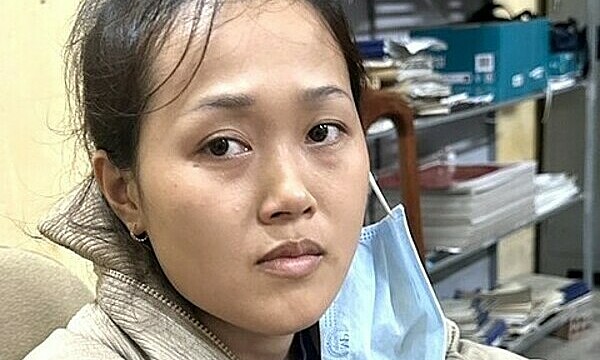
On 13/6, prosecutors announced that Dr. Magdalena H., 57, was arrested on charges of disposing of bodies and illegally dumping hazardous waste. These offenses carry a potential prison sentence of up to 12 years under Polish law.
According to her initial testimony to investigators, the doctor stated she took fetal remains from a hospital during the Covid-19 pandemic and used them for medical research at her home in Lutoryz, Poland.
Magdalena testified she placed the remains in bags and buried them on the property after examinations were completed.
Medical materials were also found at the scene, including test tubes, microscope slides, and medical records.
Investigators are continuing to excavate and examine the site to determine if there are additional burial locations or accomplices.
Forensic teams were seen sifting soil around the house. A water company tanker was also dispatched to the scene to search for evidence in the sewers and drainage systems.
 |
Authorities continue to work at the site. Photo: Laskar Media |
What does Polish law stipulate regarding the use of fetal remains for scientific research?
Polish law permits the use of tissues, cells, and certain body parts from deceased individuals for scientific research. Biological samples can be used not only for treatment and diagnosis but also for medical education and research.
This regulation is common across Europe, as research on human tissue plays a crucial role in training doctors, understanding disease mechanisms, and developing new treatments.
However, the use of these samples is not an activity individuals can undertake independently. For instance, "taking them home for research," as Dr. Magdalena H. claimed, is unlikely.
Polish law stipulates that the collection, storage, and research of human tissue must be conducted at licensed facilities such as: hospitals, anatomical pathology departments, forensic facilities, medical universities, or specialized research institutes.
The entire process must adhere to strict administrative procedures, biosafety controls, and record-keeping to ensure transparency and respect for the deceased.
For stillborn or miscarried fetuses, the issue is even more sensitive due to the influence of Polish cultural and religious traditions. Polish law and social practice view fetuses with particular respect, while protecting the family's right to receive and bury them.
Therefore, the use of samples related to fetuses for research purposes must not only meet professional requirements but also comply with strict ethical regulations and the rights of relatives.
Hai Thu (According to People, The Sun)