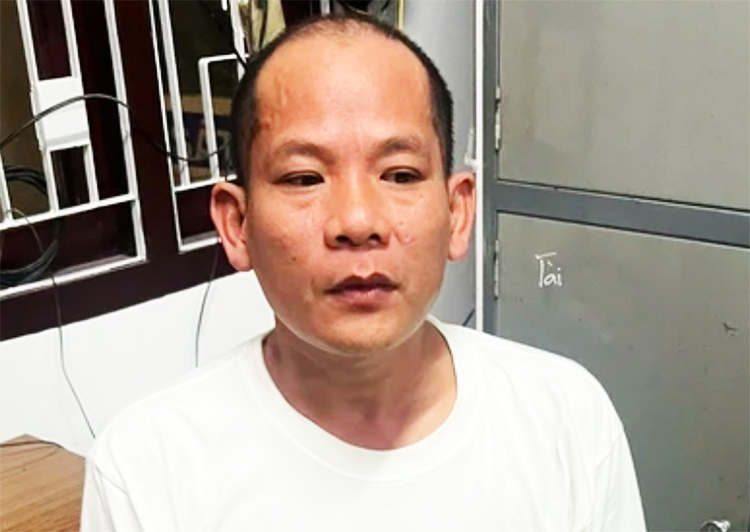
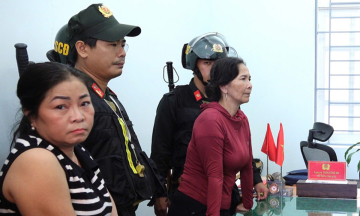
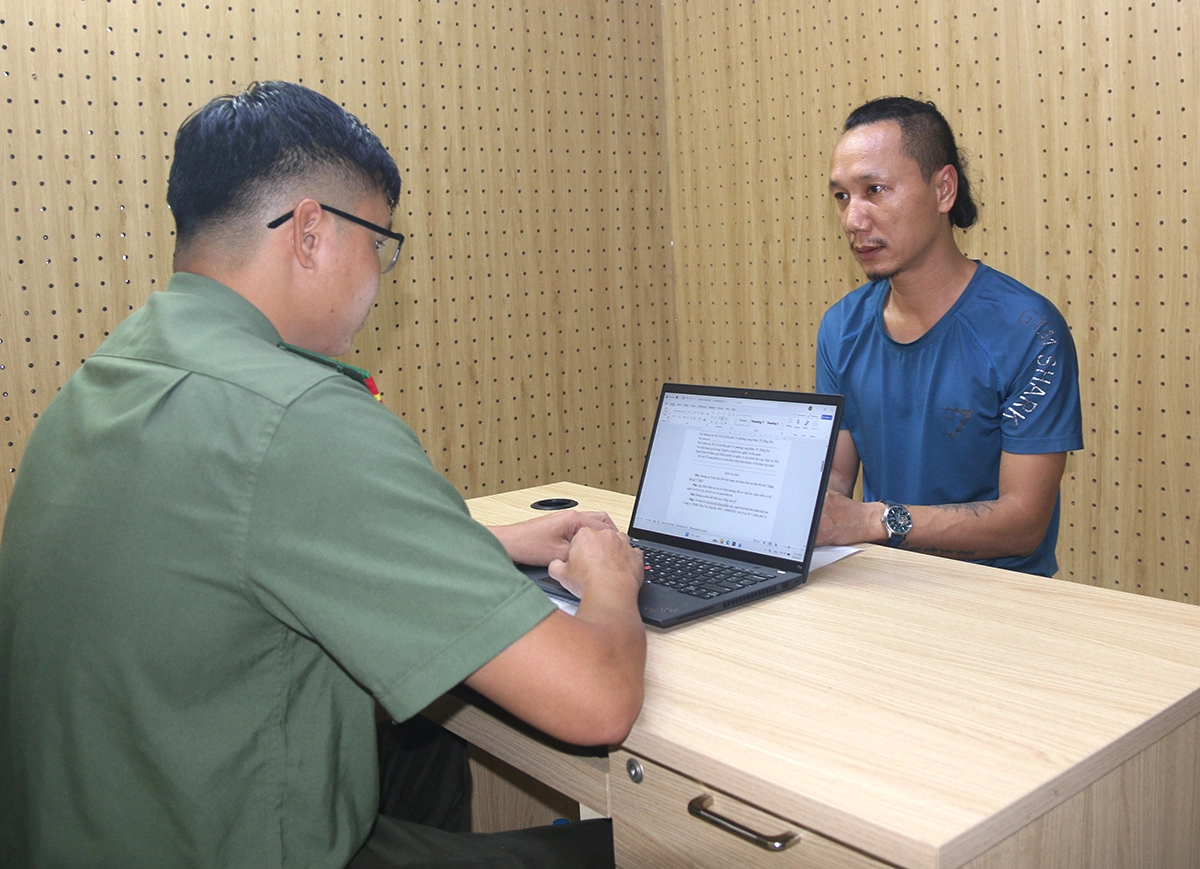
Ms. Hoe, 66, a resident of Thao Nguyen ward, has been indicted by the Son La Provincial Police's Economic Police Department. She is prohibited from leaving her residence, facing charges of violating food safety regulations under Article 317 of the Penal Code.
Police identified Ms. Hoe as the mother-in-law of Ha Thi Doai, who owns a business household in Thao Nguyen ward. Ms. Hoe was directly responsible for producing rice rolls at the facility and used borax in the process.
Ms. Hoe admitted to using borax to achieve chewiness and crispiness, prevent spoilage, keep the steaming machine from sticking, and ensure timely deliveries. Her family operated both wholesale and retail sales.
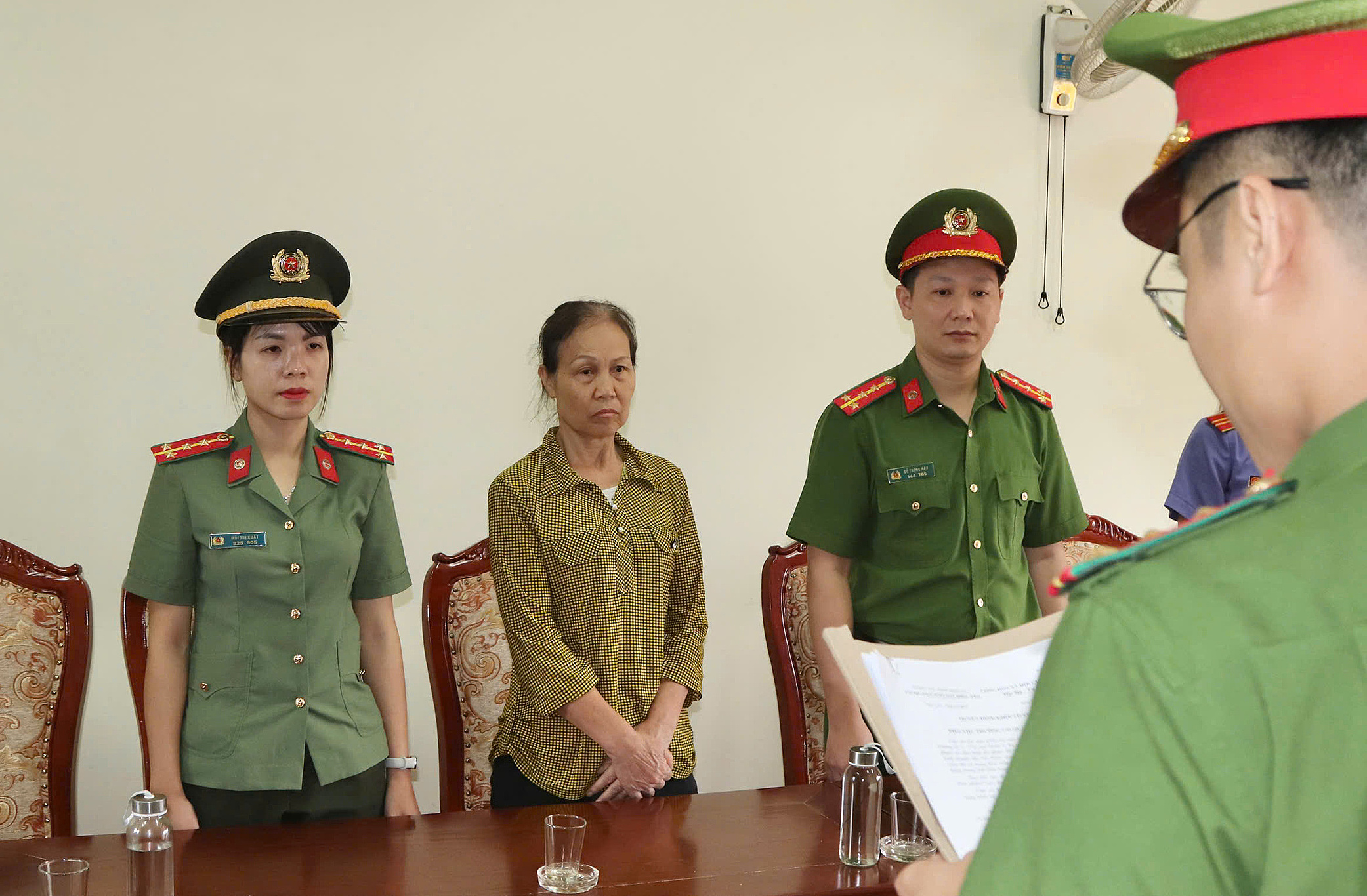 |
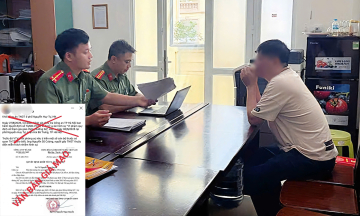
Police read the indictment order to Ms. Tuong Thi Hoe. *Photo: Cao Thien* |
During a surprise inspection on 26/6, authorities seized 226 kg of ingredients. This included 199 kg of finished rice rolls, 15 kg of plain rice rolls without filling, 12 kg of finished rice rolls already sold, and 3 kg of uncooked batter. Laboratory tests confirmed the presence of borax in samples of both the rice rolls and the batter.
Police also seized 1,65 kg of borax, found in a woven bag labeled "Borax Pentahydrate - Technical Granular." This substance is not on the list of food additives permitted for use in food processing.
Borax, a sodium salt of boric acid, is often used in food to maintain freshness, prevent spoilage, and increase elasticity. It is commonly added to dishes like rice rolls and vermicelli to enhance chewiness.
However, borax is a toxic chemical with long-term health implications, including potential cognitive decline. When absorbed by the body, borax can negatively affect the brain, leading to digestive disorders, impaired nutrient absorption and metabolism, and damage to the liver and kidneys. Consequently, current regulations strictly prohibit the use of borax in food production and processing.