


The following outlines 5 common mistakes in food preparation.
Washing raw meat under running water
Cold water is ineffective at eliminating microorganisms on meat surfaces. The US Centers for Disease Control and Prevention (CDC) warns that the force from running water can splash bacteria, such as salmonella and campylobacter, up to 50 cm away. This contaminates sinks, kitchen surfaces, and surrounding ready-to-eat foods.
Cooking temperature is the decisive factor in eliminating bacteria. Bacteria on pork, beef, and poultry are completely destroyed when the internal temperature of the meat reaches 71°C to 74°C. For pre-packaged, ready-to-cook meats, simply pat the surface dry with paper towels before cooking.
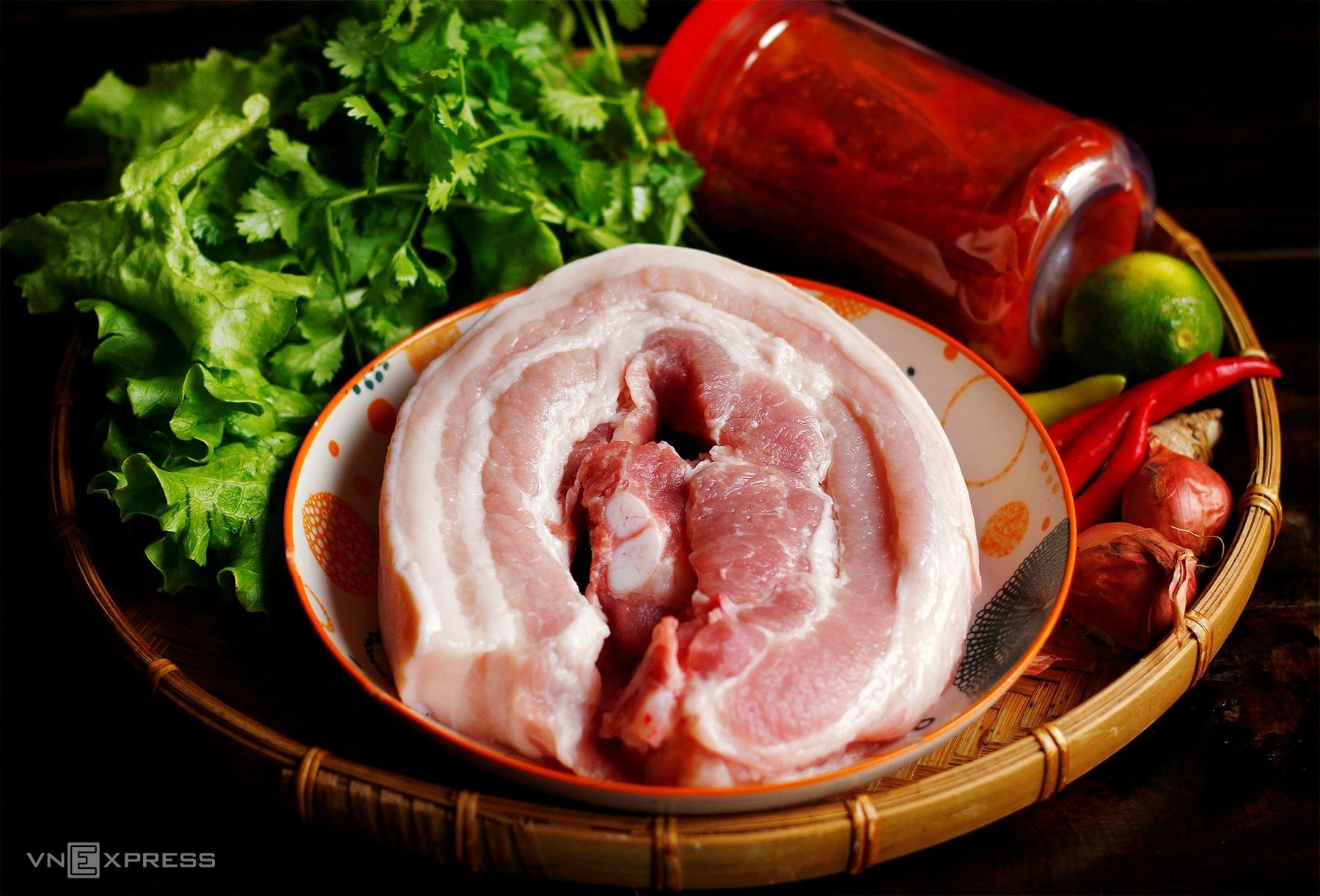 |
Improper meat washing causes cross-contamination. *Illustration: Bui Thuy* |
Soaking vegetables in saltwater
Many families use dilute saltwater to clean vegetables. However, food chemistry experts confirm that at typical kitchen concentrations, saltwater cannot kill bacteria or neutralize pesticide residues.
Prolonged soaking in saltwater creates an osmotic effect, drawing water from plant cells. This causes vegetables to wilt quickly, become tough, and lose their crispness. Mechanical methods, such as rinsing thoroughly multiple times under running water, are the most effective way to remove soil, dirt, and parasite eggs.
Simmering meat at high temperatures
For braised or stewed dishes, rapid boiling does not tenderize meat. Continuous high heat causes protein fibers to contract intensely, forcing moisture out. This results in dry, stringy, and tough meat.
The tenderness of a stew is determined by the conversion of collagen into gelatin. This process occurs only when a gentle simmer, approximately 70-80°C, is maintained for an extended period with sufficient liquid.
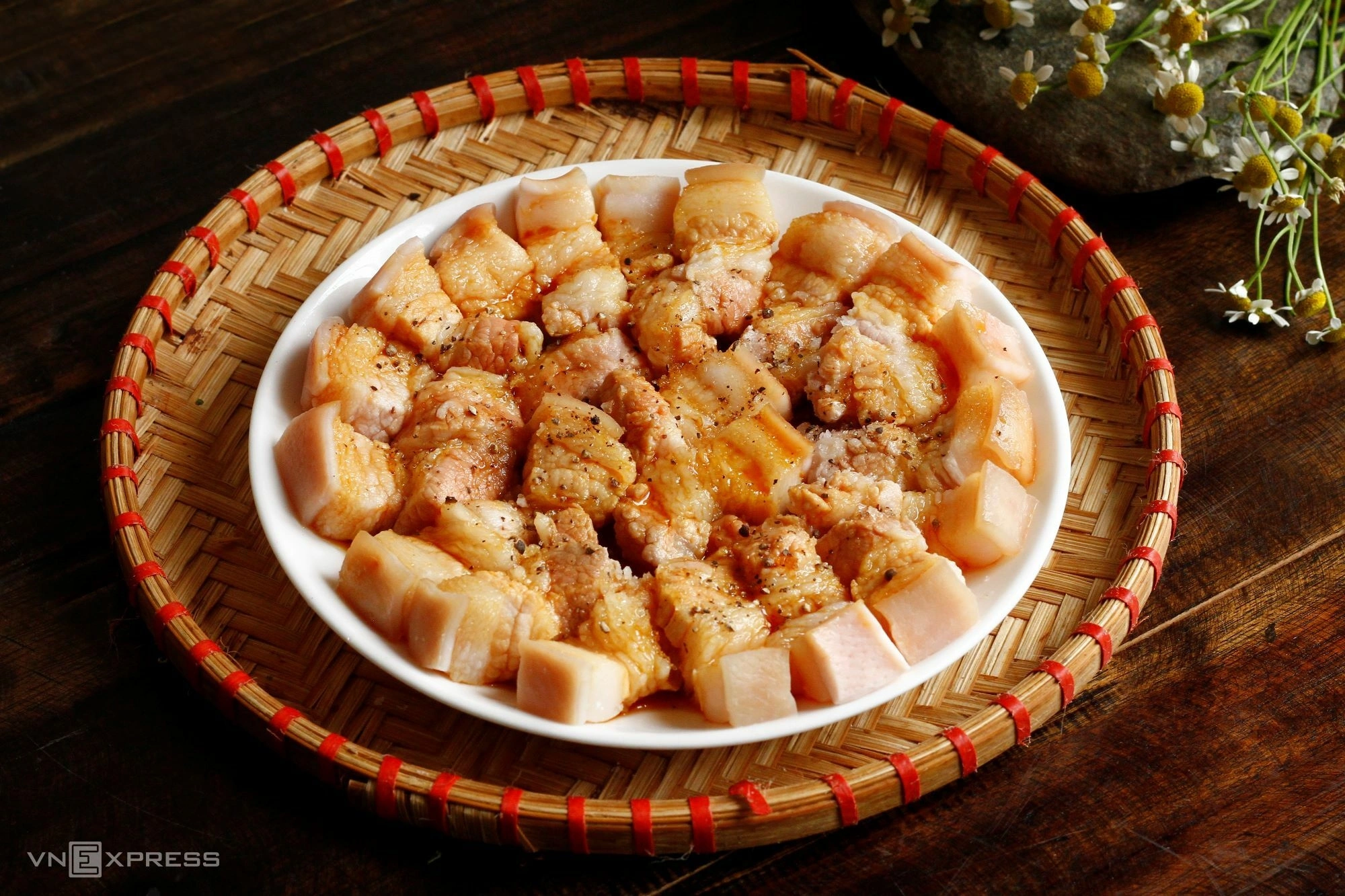 |
Meat and fish should not be overly salted to prevent dehydration. *Photo: Bui Thuy* |
Seasoning all ingredients at the start
Adding a large amount of salt, fish sauce, or other salty seasonings to raw meat or fish at the start of cooking triggers osmotic pressure. This rapidly draws moisture out of the food, resulting in a dry dish that is difficult to adjust for taste.
Professional chefs recommend dividing the seasoning process into three stages: an initial light marinade, seasoning during cooking, and a final taste adjustment before removing from heat.
Cutting food immediately after turning off the heat
Boiled, grilled, or pan-fried meats are not at their optimal state immediately after cooking. High temperatures cause proteins to contract, pushing the meat's juices to its center. Cutting the meat immediately allows these juices to drain onto the cutting board, leaving the inside dry.
Allowing meat to "rest" at room temperature for 5 to 10 minutes helps muscle fibers relax. This process allows moisture to redistribute evenly throughout the cut, ensuring maximum juiciness and flavor when served.
Bui Thuy


