Meat consists of muscle fibers and connective tissue. Two important components determining tenderness are muscle proteins (mainly actin and myosin) and collagen. When exposed to heat, these proteins denature and contract. If the temperature rises too quickly or too high, severe contraction occurs, squeezing out internal moisture and making the meat dry and tough. This is why dishes cooked over high heat for extended periods often have a tougher texture than expected.
Meanwhile, collagen, a protein abundant in cuts with tendons and muscles, has different properties. At low temperatures and in a moist environment, collagen gradually transforms into gelatin, creating a tender and succulent feel. However, this process requires time. If not cooked long enough or at the wrong temperature, the collagen will not convert, resulting in meat that is both chewy and tough.
Understanding these properties can "rescue" tough meat by acting on two factors: disrupting muscle fiber structure or promoting protein breakdown.
One of the quickest methods is to recut the meat against the grain. When cut with the grain, the long muscle fibers remain intact, creating a chewy sensation. Conversely, cutting perpendicular (against the grain) shortens these fibers, significantly reducing the chewing force required. This simple mechanical intervention offers immediate results, especially for boiled beef or pork loin.
Additionally, experienced chefs recommend using natural enzymes found in food to "break down" proteins quickly. Pineapple contains bromelain, and green papaya has papain; both are protease enzymes capable of breaking long protein chains into shorter segments. When marinating meat with a small amount of these ingredients, the enzymes begin to act on the muscle fiber structure, reducing toughness. This process is quite fast, with just a few minutes making a difference. However, if left too long, the meat can become mushy due to excessive protein breakdown. Be careful when using pineapple; a large amount or prolonged exposure can easily cause the meat to disintegrate.
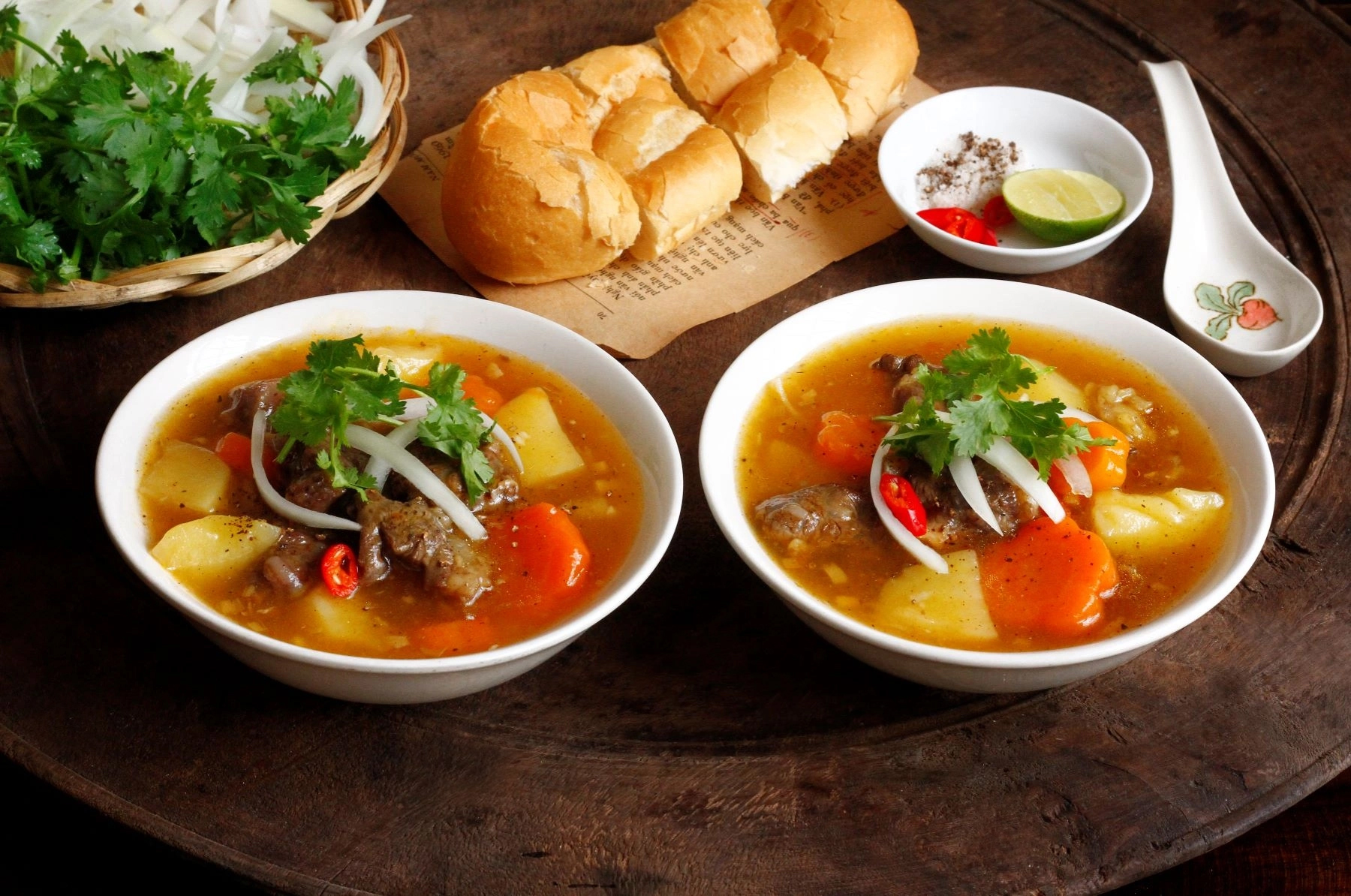 |
Adding a little baking soda when marinating helps meat tenderize quickly. *Photo: Bui Thuy*
Another mechanism applied in cooking is pH adjustment. Baking soda is a mild alkaline substance that increases the pH of the environment when it comes into contact with meat. In an alkaline environment, protein fibers contract less when exposed to heat, and their water retention capacity also improves. As a result, cooked meat tends to be more tender and succulent.
This is a common technique in restaurant stir-fries, where quick tenderizing is essential. Nevertheless, the amount used must be strictly controlled, as excess can alter the dish's natural flavor.
If cooked meat is tough because collagen has not fully converted, adding water and simmering for an additional period can somewhat improve the texture. When the temperature is maintained at a moderate level (usually below a vigorous boil), collagen continues to hydrolyze into gelatin. While 15 minutes may not be enough to fully tenderize very sinewy cuts, a noticeable difference can still be observed for mildly tough cases.
Beyond chemical and thermal methods, mechanical interventions like pounding or rolling meat also help break down connective tissue. When force ruptures collagen and muscle fibers, the structure becomes "looser", making the meat more tender after recooking. This method is particularly effective for thick cuts, such as pan-seared meat or steak.
However, not every case can be completely "rescued". If meat has suffered severe dehydration from being overcooked, the protein fibers will have contracted tightly and cannot fully revert to their original state. In such instances, the methods above will only partially improve the eating experience, rather than restoring the meat to ideal tenderness.
Bui Thuy