Immediately after sitting in her new company-provided chair, Xiao Wang in Hangzhou received a message from her manager: "Why does your heart rate change and you're not at your desk every morning from 10h to 10h30?". Xiao was astonished to realize that the "smart chair", which measured her breathing, heart rate, and sitting posture, was actually a surveillance device. Her manager also warned her to focus if she didn't want her bonus cut. "It's a creepy feeling to know that every breath you take is recorded to determine your salary", she said.
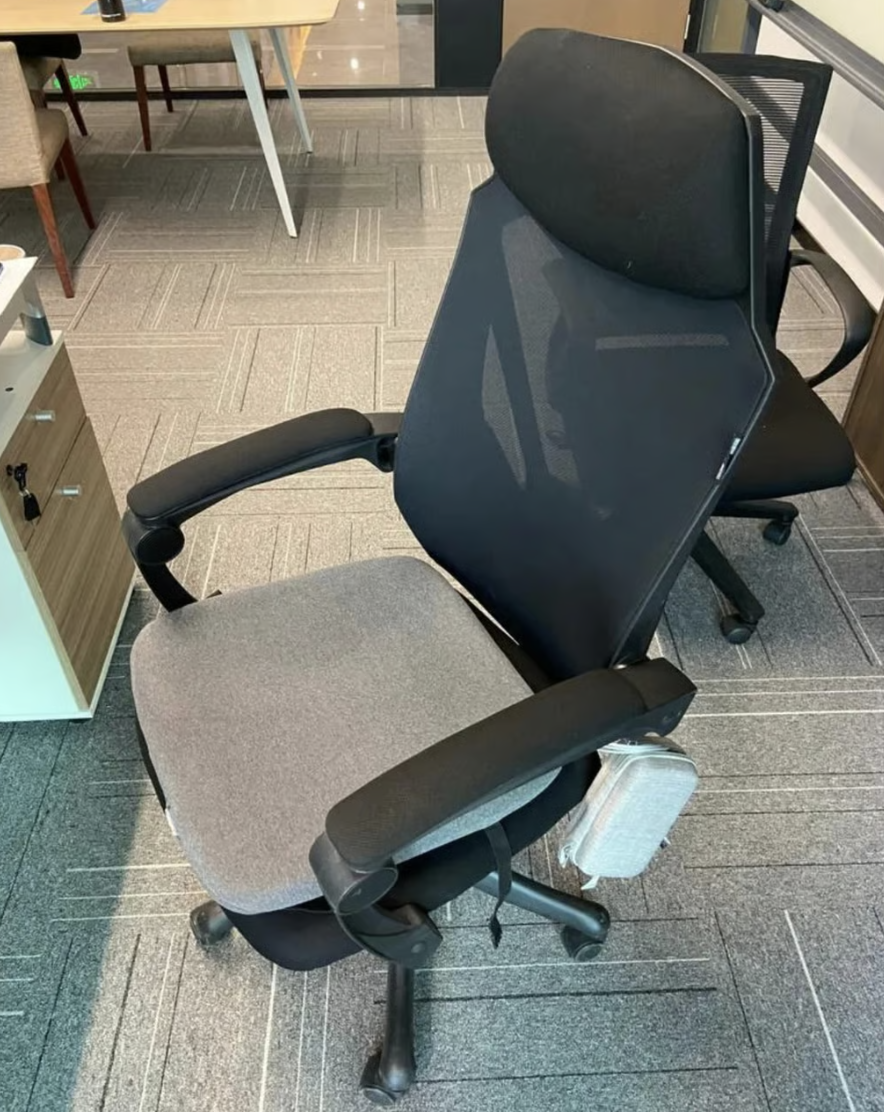 |
Smart chairs used to monitor employee activity in some Chinese companies. *Photo: QQ* |
In China, the trend of high-tech employee surveillance is creating a wave of unspoken conflict. Businesses are fully leveraging the digital ecosystem to control employee performance. Recently, an advertising company in Fuzhou sparked intense controversy by implementing fingerprint clock-ins even for toilet breaks. Employees exceeding the allotted time would face direct salary deductions.
Even web browsing data has become a weapon for dismissal. In Guangzhou, Wu, an employee at a company, lost her job for "opposing her boss and being lazy". In court, the company presented surveillance videos and her complete web browsing history from her work computer as evidence. The records clearly showed she had "spoken ill" of her superiors to colleagues via social media, accessed shopping sites, and read novels during work hours. She was unaware that all activity on company devices was regularly analyzed. "Once personal data is collected, it will be analyzed and interpreted according to the manager's will. So where does the line between privacy and corporate governance lie?", she expressed indignantly in Vista magazine.
According to a Vista survey on Chinese social media, topics related to boss surveillance attracted over 50 million views. Most opinions suggest that employers are trying to "squeeze every drop" of labor by transforming offices into "digital prisons". The pressure of being constantly monitored is prompting employees to seek ways to resist. On e-commerce platforms, anti-surveillance devices have become best-sellers. For 20 yuan, employees can purchase message encryption software. Anti-peep screen protectors for computers and phones are also popular, priced at 50 yuan. Office workers are even sharing tips on using devices that create "fake locations" or methods to trick sensors on smart chairs.
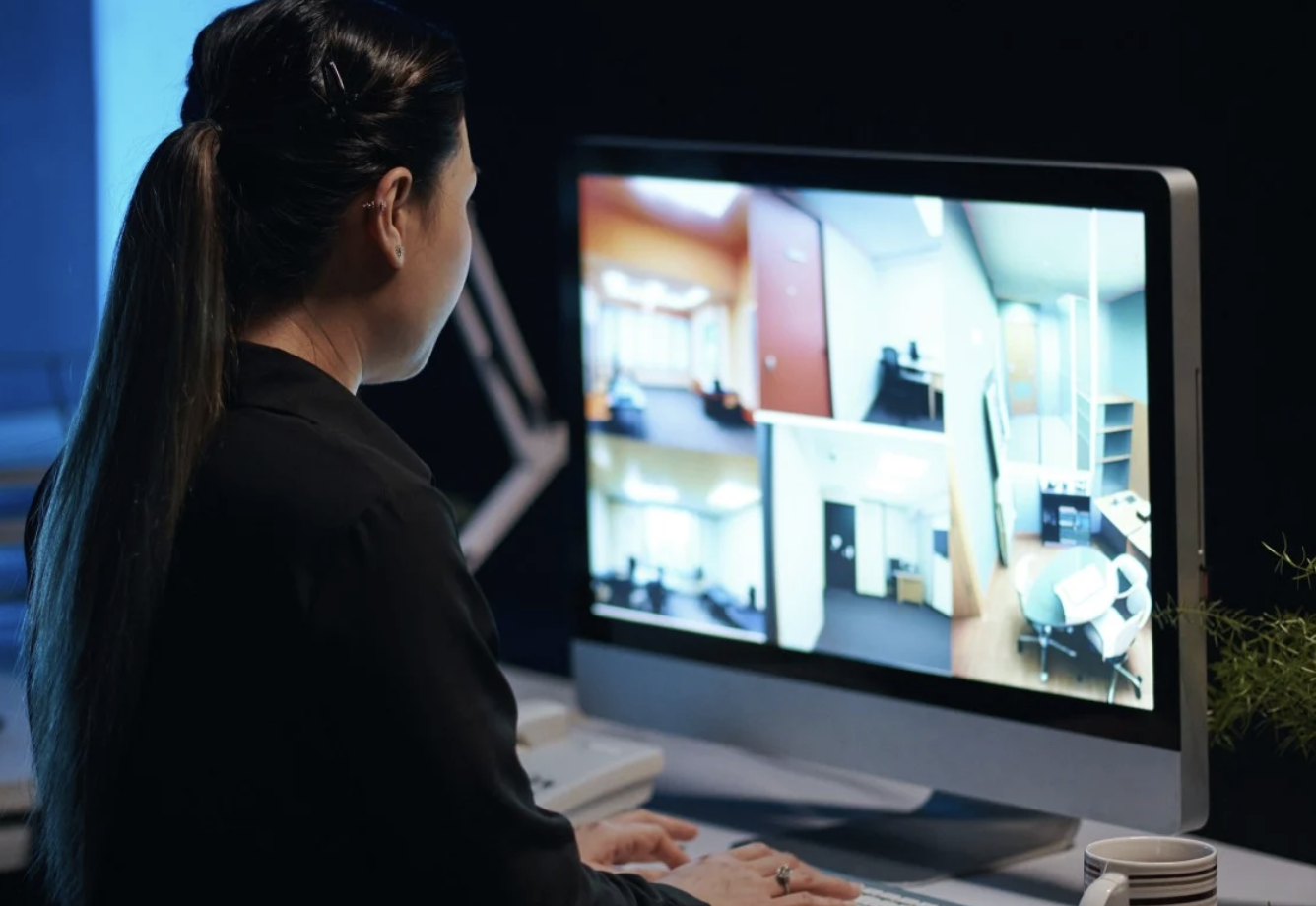 |
Employee monitoring screen. *Photo: QQ* |
Lu Shenglong, a cybersecurity expert, stated that businesses typically install surveillance systems with the initial goal of protecting intellectual property and trade secrets. However, the misuse of these systems is pushing labor relations to an extreme state of tension.
From a legal perspective, lawyer Jia Baojun of Jingdu Law Firm in Beijing noted that the boundary between corporate management and individual privacy remains very ambiguous. Employers may violate the law if they do not provide prior notice about the existence, purpose, and scope of cameras. Specifically, collecting information unrelated to work, such as secretly reading private messages, is considered an illegal invasion of privacy. "Installing cameras is only legal if employees are clearly informed and the devices are not placed in sensitive areas like restrooms or changing rooms", added legal expert Dong Chen.
According to human resources experts, excessive control only increases anxiety and erodes the foundation of trust within businesses. While awaiting clearer legal frameworks, employees are finding ways to survive. "Not logging into private accounts on company computers is a survival principle for self-protection", an employee concluded.
Thanh Thanh (The Star, SCMP)