Rowan MacKenzie, 40, from Missouri, is a prominent figure in the "prepper" community – individuals who proactively prepare for potential disasters. She fears the risk of widespread war, especially unpredictable global conflicts. For MacKenzie, stockpiling supplies is the sole means to ensure self-reliance and protect her family.
Previously, MacKenzie owned a shelter valued at 423,000 USD, stocked with enough food for her family for two years. However, rising prices and living costs compelled her to sell it. Now, she is starting anew with a more limited budget, prioritizing flexibility over fixed assets.
Her new strategy centers on "bug-out bags" prepared for each family member. These bags contain water, canned goods, spare clothing, and portable phone chargers. Within the survival community, the "golden 72 hours" is a fundamental principle. This concept arises from the reality that relief agencies often take about three days to clear paths and reach a disaster site after a large-scale catastrophe. During this critical period, individuals must secure all food, water, and medical needs for their families.
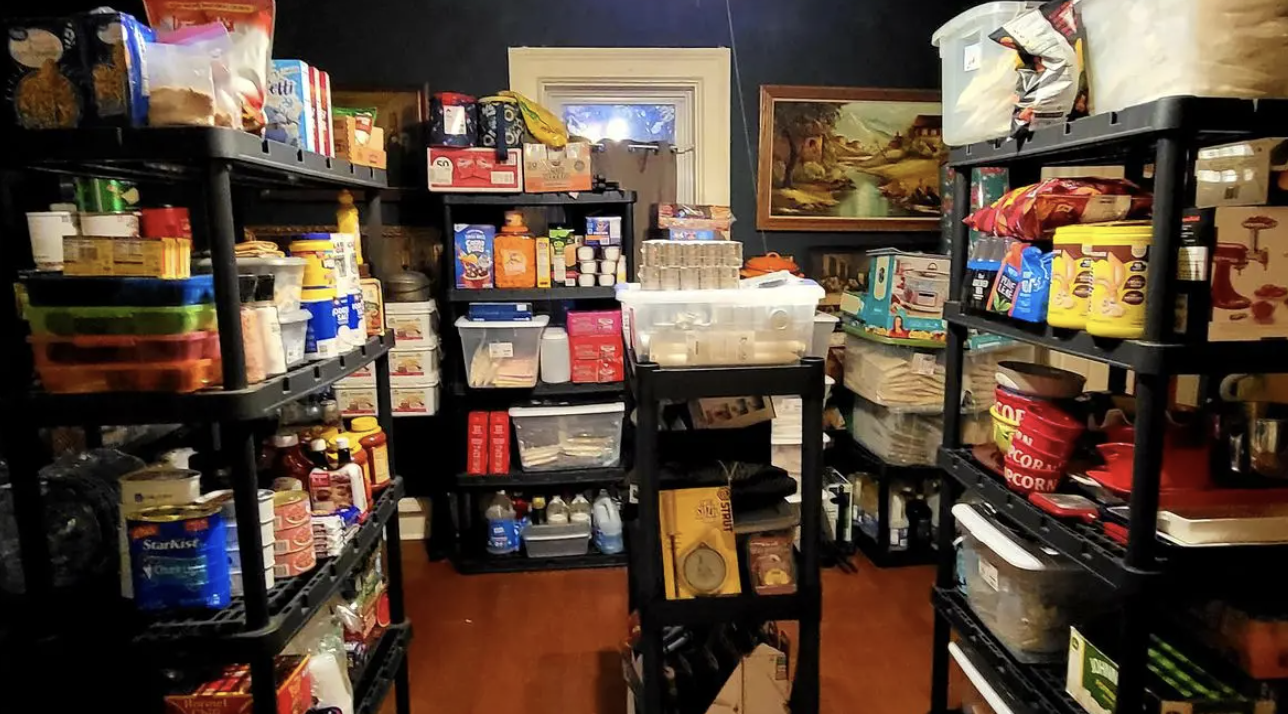 |
The MacKenzie family's "doomsday" bunker in the US. Photo: New York Post |
The MacKenzie family's "doomsday" bunker in the US. Photo: New York Post
Financially, MacKenzie advises splitting assets: half in the bank, half as cash at home, to prepare for telecommunications network or bank server failures. Additionally, she prints all important documents in hard copy, stores them in a waterproof box, and hides them in a location known only to family members. Her house also features windows covered with dark materials to appear abandoned, thus avoiding attracting attention.
According to analysis by InvestigateTV and data from FEMA, the "prepper" community in the US currently numbers between 20 and 23 million people, accounting for nearly 7% of the adult population—a figure that has doubled since 2017. While this movement was once associated with the wealthy building million-dollar bunkers, it has now expanded to include ordinary people. They use their savings to purchase extra water, canned goods, or essential medicines. Many also construct home shelters, either through self-renovation or by acquiring pre-made units from specialized companies.
Colonel Chris Ellis, a disaster preparedness expert with the US Army, states this movement reflects people's desire to regain control amidst social instability, pandemics, and extreme weather. While preparing essential supplies for 72 hours to 30 days is practical and necessary, experts also warn against succumbing to excessive, obsessive anxiety.
Ngoc Ngan
(According to
NY Post