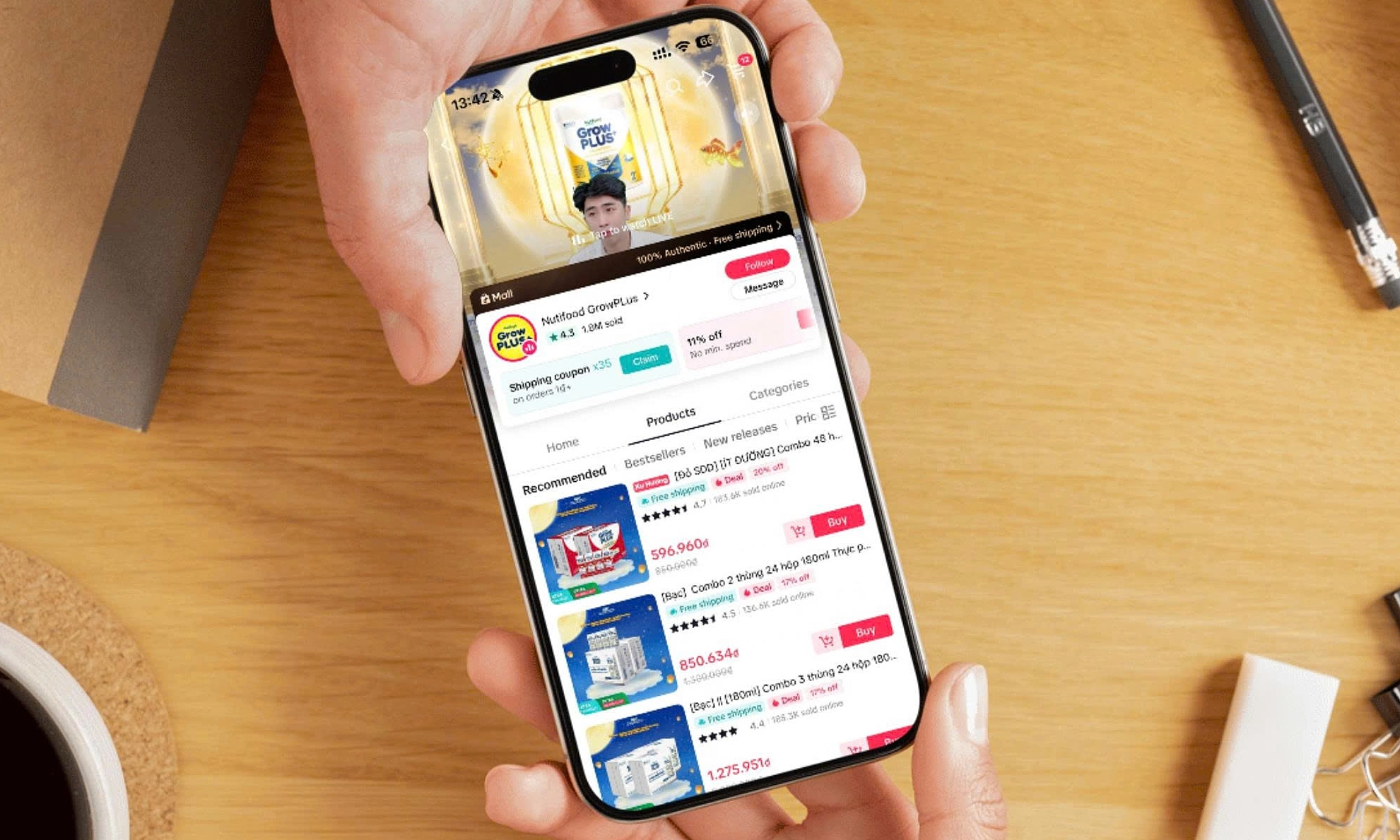
"Add 6 USD to get free shipping", "offer ends in three days", and "only 100 slots, once sold out, it's over" are common messages on online shopping platforms.
These notifications often prompt consumers to add unexpected items to their carts, solely to qualify for promotions.
According to Japanese economist Akira Ikegami, many seemingly voluntary spending decisions are heavily influenced by how retailers design their promotional campaigns.
The power of 'free'
Ikegami cites an example of a customer planning to buy essential items worth 25 USD. At checkout, a message appears: "Orders over 31 USD qualify for free shipping". Instead of paying the 1,5 USD delivery fee (totaling 26,5 USD), the customer starts looking for additional small items worth 6 USD to meet the threshold.
From a cost perspective, the buyer spent an extra 6 USD to save a 1,5 USD fee, increasing the total expenditure to 31 USD. Psychologically, however, this decision still brings satisfaction, as the customer feels they are not losing money on an ancillary service like shipping.
A study published in Production and Operations Management (2023) refers to adding items to reach a free delivery threshold as "top-up behavior". A survey within this study indicated that 52% of online shoppers have added unnecessary products to their cart to qualify for a promotion.
Beyond the buyer's reluctance to pay shipping fees, product recommendation algorithms on e-commerce platforms also drive this trend. Research published in Electronic Commerce Research and Applications (2023) revealed that 80% of transactions generated by automatic suggestions at checkout aim to meet free delivery thresholds.
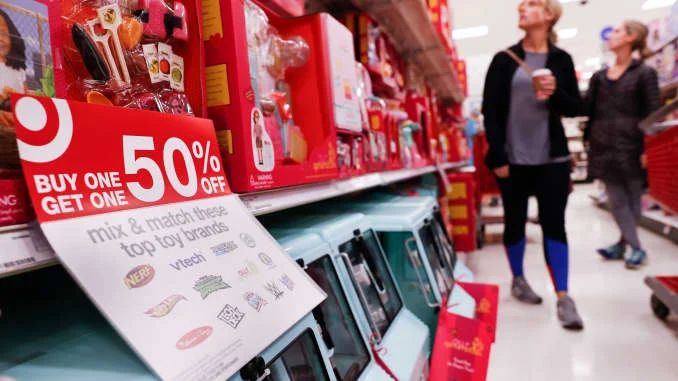 |
Illustration: Retail Media |
The fear of missing out
Beyond the free lure, messages creating scarcity in quantity or time, such as "special price for three days" or "selling out", are also effective demand drivers. These signals make buyers feel opportunities are shrinking, prompting them to finalize orders immediately before losing a good deal.
A meta-analysis of over 130 studies in the Journal of Retailing (2022) showed that scarcity messages often lead customers to perceive items as more valuable and accelerate their purchase intent.
This phenomenon stems from "loss aversion" in behavioral economics theory, pioneered by psychologists Daniel Kahneman and Amos Tversky. Humans are more sensitive to the pain of loss than to the pleasure of an equivalent gain. Limited-time promotions shift customer psychology from "receiving a benefit" to the fear of "losing a privilege if not purchased immediately".
The anchoring effect
Another common retailer tactic is the "anchoring effect". When customers see a product listed at 100 USD, crossed out and reduced to 60 USD, the initial 100 USD acts as a mental "anchor" reference. This discrepancy creates the impression that 60 USD is a great deal, even if the product's actual market value hovers around 60 USD.
According to Akira Ikegami, how retailers present a discount program can distort consumers' ability to calculate costs and benefits. To distinguish between genuine savings and impulsive spending, the expert advises buyers to pause before clicking "checkout" and ask themselves: "If there were no free shipping or last-minute discount, would I truly need this item?".
Bao Nhien (Source: HK01, Yahoo Life)