Puffer jackets offer excellent insulation but are challenging to wash. Incorrect washing often causes the inner lining to clump or flatten, ruining the jacket's shape and insulating ability. Cleaning experts provide this guide to keep your jacket in top condition.
Spot treatment for stains
Before washing the entire jacket, prioritize treating stubborn stains on the collar, cuffs, or areas with grease.
Method one: Use a mild detergent. Marla Mock, president of Molly Maid cleaning company, advises applying a few drops of liquid detergent directly onto the stain. Gently rub with your fingers to allow the solution to penetrate. Leave for 15 minutes, then rinse with cold water if you are only spot cleaning.
Method two: Use oxygen bleach powder. Alessandro Gazzo, an expert from Emily’s Maids, a cleaning and laundry service company in Dallas, US, suggests mixing the bleach powder with a small amount of water to form a thick paste. Apply this paste to the stain, wait 15 minutes before proceeding with a full wash.
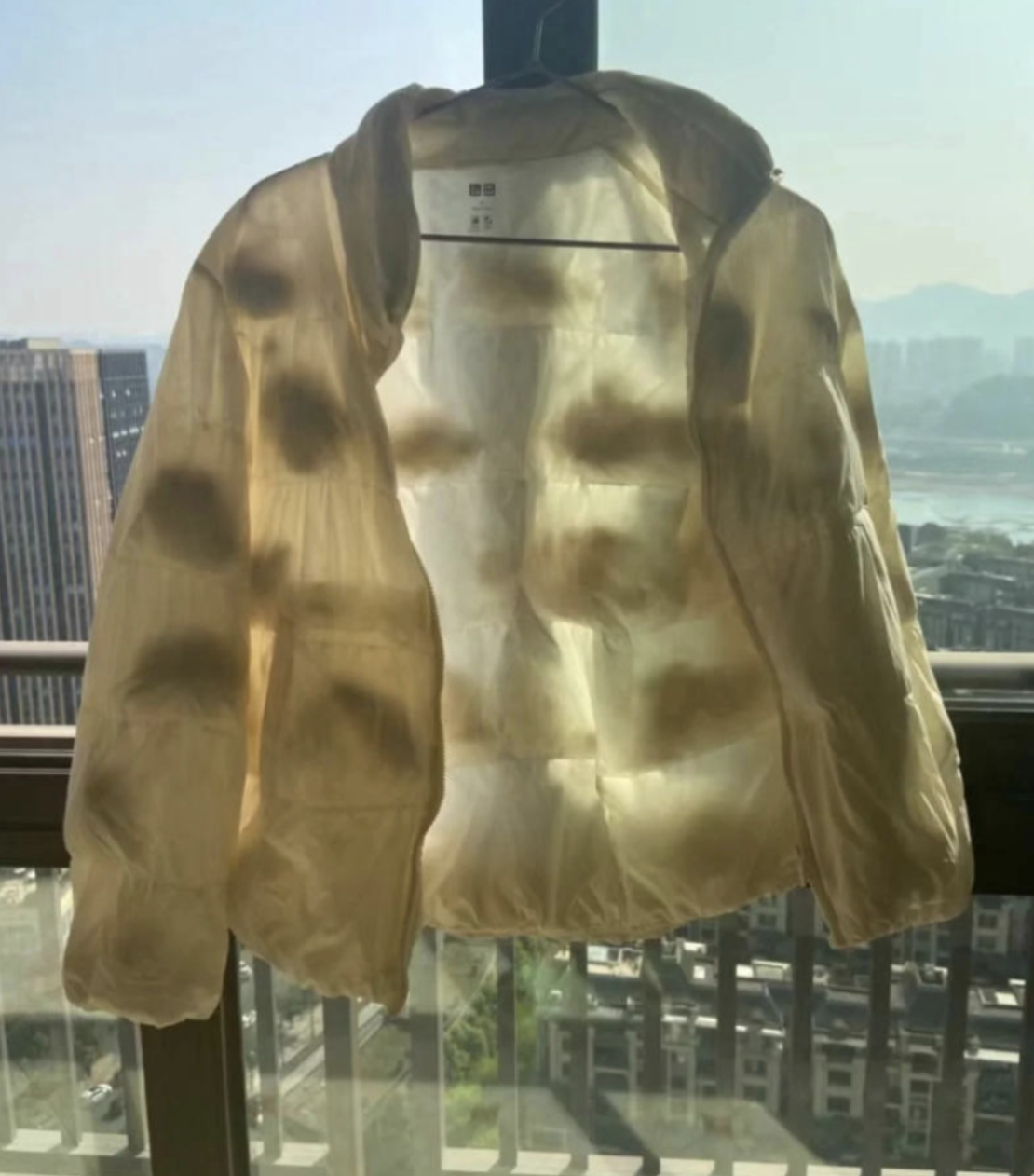 |
Washing a puffer jacket incorrectly causes the filling to clump, making the item difficult to use. Illustration: Judy |
Hand washing process
Step one: Stain treatment and soaking: Perform stain treatment as described above. If the jacket is dull, soak it in cold water mixed with oxygen bleach for about 30 minutes.
Step two: Prepare wash water: Pour cold water into a large basin, add a few drops of dish soap or mild detergent.
Step three: Soak and clean: Place the jacket in the water, gently squeeze. Soak for 15 to 30 minutes to allow all dirt to release.
Step four: Drying: Remove the jacket and gently press to remove excess water. Absolutely do not wring or twist the jacket, as this will shift and clump the inner insulation. Hang the jacket in a well-ventilated area.
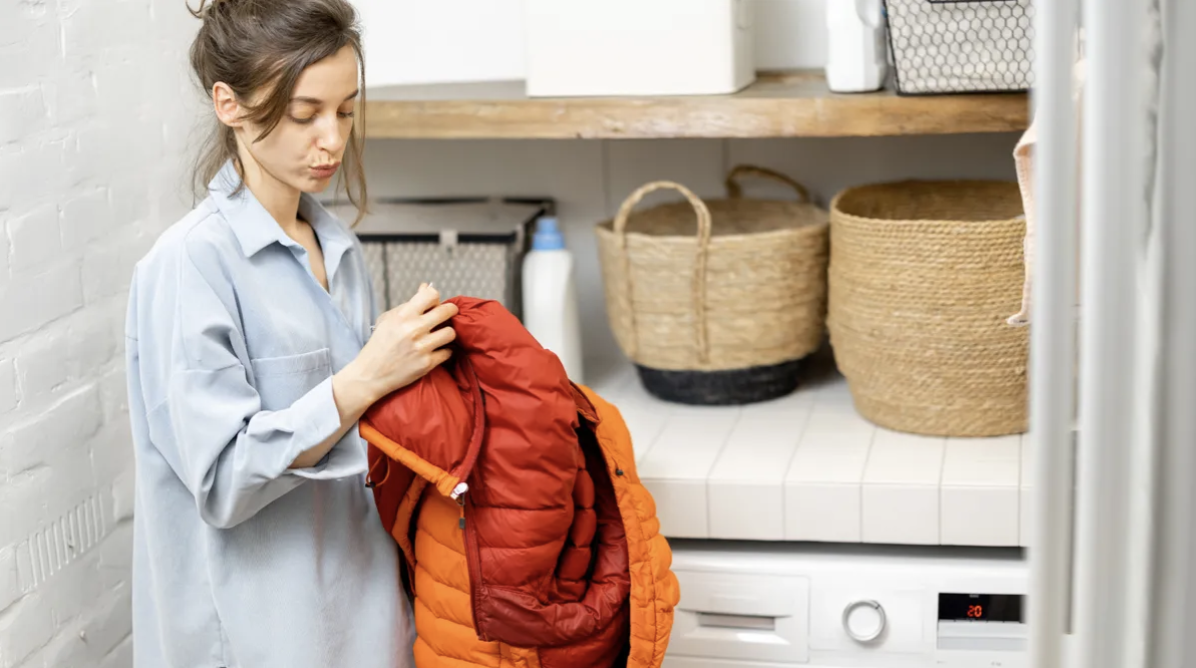 |
Washing a puffer jacket correctly prevents the filling from clumping after drying. Illustration: RossHelen |
Machine washing process
Step one: Spot treat localized stains with detergent or bleach.
Step two: Zip all main and pocket zippers. Leaving zippers open can tear or scratch the fabric during the machine's spin cycle.
Step three: Use cold water and the delicate cycle on the machine. It is advisable to use a specialized detergent for delicate fabrics.
Note: Do not use fabric softener, as this will flatten the cotton or down fibers inside.
Step four: Check the label to confirm the jacket can be machine dried.
To maintain fluffiness, add two to three tennis balls or specialized dryer balls to the dryer drum. The balls will continuously tumble, helping to fluff the filling and prevent clumping. The drying process may require several cycles for the jacket to dry completely.
Minh Phuong (Real Simple)