"Without a living room, your world shrinks significantly," says Georgie, a 27-year-old climbing instructor.
Two years ago, Georgie moved into a house in Leeds with four strangers. She chose the place because it was the cheapest, accepting the absence of a communal living space. The living room had been converted into a storage area. The kitchen was so cramped that the dining table, pushed against the wall, blocked access to the sink and oven.
As a result, Georgie and her housemates cooked their meals separately and ate in their own rooms. Lacking a space to socialize, she felt isolated and rarely invited friends over.
"I cannot invite guests when the most decent place to sit is on my bed," she shared.
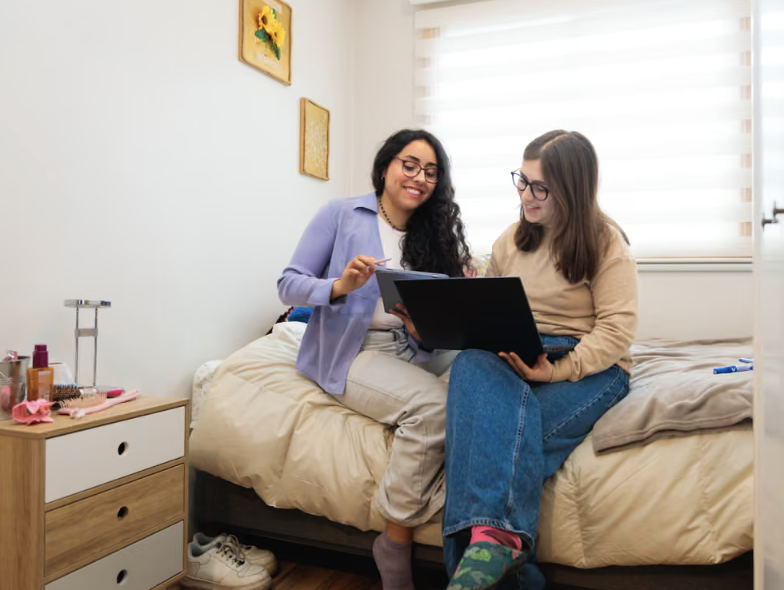 |
Illustrative photo: The Guardian |
Living rooms, once the heart of Western homes, are gradually vanishing. According to June data from SpareRoom, a room-finding platform, approximately 30% of rental rooms in the UK are in homes without a living room. In London, this figure rises to 41,2%. Half of those surveyed reported that the living room had been converted into a bedroom.
Louis Platman, project manager at the Museum of the Home in London, believes this trend is eroding community connections. With fewer young people able to buy homes, landlords are maximizing space to increase revenue. Converting a living room into an additional bedroom can generate an extra 1,000 pounds (over 30 million dong) per month.
"Without legal regulations protecting shared spaces, living rooms will become increasingly rare," Mr. Platman warned.
Indeed, 44% of tenants believe that the lack of a living room negatively impacts their mental health. Despite this, financial pressure leads 36% of respondents to sacrifice communal space to reduce rent.
Imogen, 34, shares a two-bedroom apartment in London with two friends. With the landlord's consent, they converted the living room into a third bedroom to split the rent. The small kitchen became their only space for cooking, eating, and entertainment. "I still choose to sit in the kitchen because it is the only place where I feel real life happens," Imogen said.
However, not everyone is as optimistic. Salli, 25, lives in a six-room house that often accommodates 8-9 people. When winter arrived, the conservatory - the only room with a sofa - became too cold and spider-infested, forcing the group to gather in the hallway or squeeze into a large bedroom. "Every activity is inconvenient and makeshift," she admitted.
Architect Ben Channon, author of "Happy by Design," calls this a "silent crisis." According to him, communal spaces are not just amenities but an antidote to loneliness. Channon's research indicates that people living in homes without shared living areas have a 38% higher risk of depression.
"Landlords can take away the living room, but they cannot strip away a basic human need: to sit together around a table instead of cooping up in bed," Mr. Channon stated.
The architect advises that if the house structure cannot be changed, tenants should create temporary connecting spaces. A corner of a hallway or kitchen, equipped with a rug, beanbags, and warm lighting, can help reduce stress and foster connection among residents.
Nguyen Ngan (According to The Guardian)