Ben Chester Cheong, a lecturer at Singapore University of Social Sciences (SUSS), grew up in a family where affection was openly communicated. Each morning, he and his brother greeted their father with, "I love you, dad." In school, he noticed many friends never spoke similar words to their parents. In these households, affection was often shown through questions like, "have you eaten?", "remember your umbrella", or "don't be home late."
Researchers state this reserve does not indicate a lack of parental affection. The distinction lies in cultural definitions of love. In many Asian families, love is intertwined with responsibility. Parents believe their dedication to providing food and education for their children serves as the clearest affirmation. They view actions as evidence, eliminating the need for verbal declarations.
This perspective is common among generations who endured difficult economic conditions. For them, securing their children's essential needs and future is the primary concern.
In 2013, Catherine Caldwell-Harris, Ann Kronrod, and Joyce Yang surveyed students in Beijing, Shanghai, and the US. Results indicated Chinese students used the phrase "I love you" less frequently than their American counterparts, particularly with relatives.
The authors explained that Asian individuals often communicate based on context. In families who have lived together for many years, affection is often considered self-evident and does not require repetition. Consequently, uttering "I love you" can feel awkward or be deemed superfluous.
A study of 15 students from Chinese immigrant families in the US revealed they typically recognized love through their parents' dedication, such as daily care and tuition payments. In turn, children expressed affection through respect and academic success. Thus, many parents presume their children comprehend their love through years of upbringing.
Asian parental love often connects with education and discipline. The concept of "guan" in Chinese culture encompasses both care and oversight, including guidance and correction. Accordingly, good parents closely monitor studies, manage schedules, and prevent children from making poor choices. This strictness is considered an expression of love.
A high-achieving student might face questioning about incorrect answers rather than receiving praise. A teenager arriving home late often receives a reprimand before explaining. Parents believe highlighting shortcomings fosters improvement. However, this concern, framed as expectations or criticism, can sometimes lead children to feel inadequate. A 2016 report in Communication Research Reports confirmed Chinese parents use fewer verbal and affectionate gestures than American parents.
This difference is generational. Individuals who did not hear words of affection as children rarely express them to their own offspring. They might cook a child's favorite meal or wait up for them, yet feel awkward with a hug. Since actions were their primary experience of love, they continue to apply this approach.
This generational gap becomes more pronounced in immigrant families. While parents continue to express affection through material provision and sacrifice, children raised in Western cultural environments often desire direct verbal encouragement and a listening ear.
Cheong argues that words are not the sole measure of affection. He practices recognizing love through his family's reminders, shared meals, and quiet actions.
 |
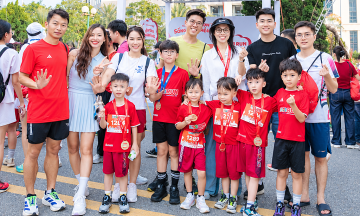
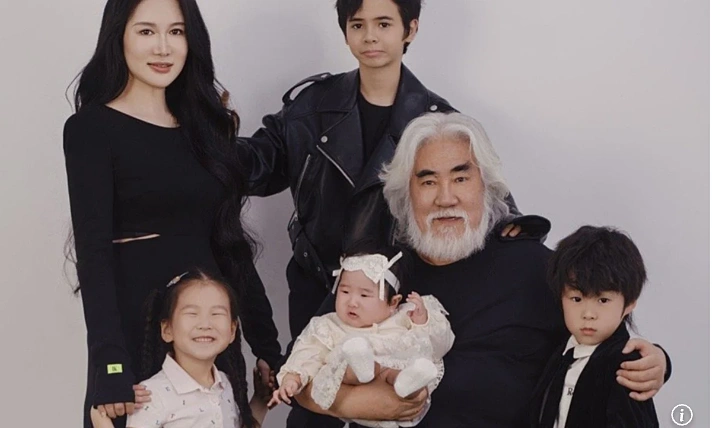
Illustration photo: CNA |
Ngoc Ngan (According to CNA, Financial Times)