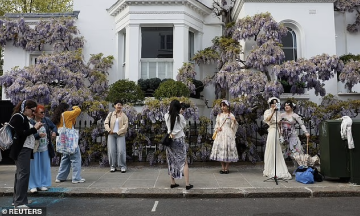
On friday evening at a restaurant in Tokyo, three couples had 15 minutes to get acquainted during a special dating event. There, attendees addressed each other by their first names, as everyone shared the surname Suzuki.
After confirming their identities via an app, conversations began. Once the first round of conversations concluded, the men moved to the next table. At the event, even cakes and cookies were provided by sponsors who also shared the Suzuki surname.
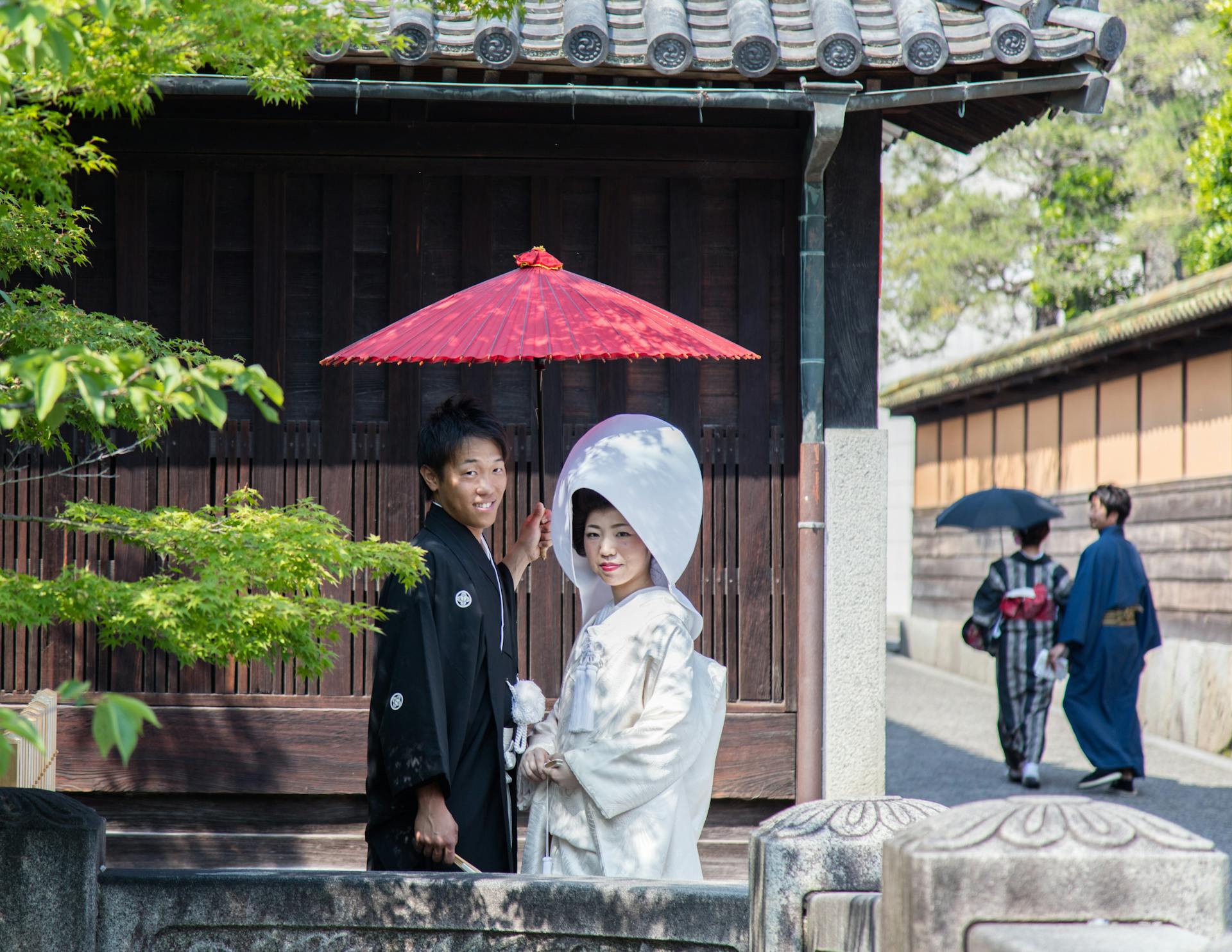 |
Japan is the only country in the world that still maintains the rule requiring spouses to share a surname after marriage. Illustrative photo; Pexels
This was the inaugural event of a project initiated by the non-profit organization Asuniwa, aimed at helping young people circumvent the rule prohibiting spouses from using different surnames. Yuka Maruyama, a planner at Asuniwa, stated the project highlights how many hesitate to marry due to reluctance to change their surname.
According to a survey of 2,500 users of the dating app Pairs in their 20s and 30s, 37% of women and 47% of men are hesitant to change their surname after marriage. Over 7% stated they would break up if they could not compromise on this issue.
For Taisho Suzuki, a 33-year-old office worker, the dating event is a clever solution. "I never thought about marrying someone with the same surname, but now it feels like a safe option. I do not want to give up my surname, and many women feel the same way," he said.
The organizers plan to expand the event for other common surnames, such as: Ito, Tanaka, and Sato.
According to Japan's Civil Code, spouses must share a surname. Although there is a choice, 95% of women must adopt their husband's surname. Japan is the only country in the world that still maintains this regulation, which has existed since the Meiji era (1898). While the government permits women to retain their birth name alongside their new surname on documents, they still legally assume a new identity.
The United Nations Committee on the Elimination of Discrimination Against Women has repeatedly urged Tokyo to revise this system.
The mandatory surname change not only affects individuals but also risks eradicating surname diversity in Japan. Research by Tohoku University, conducted by Professor Hiroshi Yoshida, indicates that if the government does not change the current law, by 2531, the entire population of the country will bear only one surname: Sato.
Pressure to change the law is growing within society. In 3/2024, six couples filed a lawsuit against the government demanding the right to retain their birth surnames after marriage. Additionally, the Japan Business Federation (Keidanren) also called for the abolition of the regulation, stating that inconsistent employee ID and passport information causes difficulties for staff working in international environments. A survey by the organization revealed that 82% of female executives support allowing spouses to use separate surnames.
Despite the pressure, the ruling Liberal Democratic Party (LDP) still refuses to make changes, reasoning that using two surnames would weaken traditional family values and cause confusion for children.
Even at the dating event, uncertainty persisted. Hana Suzuki, a 34-year-old nurse, said, "I support keeping separate surnames, but if we have children, whose surname they would bear becomes a difficult problem."
Nhat Minh (According to Guardian)