


Roasted or boiled peanuts are a common snack during drinking sessions. However, nutrition experts caution that this dietary habit can silently harm the body.
Here are key reasons to reconsider consuming peanuts alongside alcoholic beverages.
Consuming peanuts with alcohol can lead to liver overload. Peanuts contain a high fat content, typically ranging from 44% to 48% per kernel. While these are plant-based fats, ingesting large quantities still strains the lipid metabolism process. This becomes particularly problematic when combined with alcohol. Alcohol is a toxin that the body prioritizes for elimination. When both peanuts and alcohol are consumed simultaneously, the liver is forced to focus on detoxifying alcohol, temporarily halting fat metabolism. The unprocessed fat from peanuts then accumulates, leading to fatty liver disease and metabolic disorders over time. This poses a significant risk for middle-aged individuals or those with impaired liver function.
Research published in the U.S. National Library of Medicine (NCBI/PMC) indicates that alcohol inhibits fatty acid oxidation, resulting in the accumulation of triglycerides in the liver, which causes fatty liver disease and metabolic disorders. The American Journal of Clinical Nutrition also advises individuals with, or at risk of, fatty liver disease to carefully manage their calorie and fat intake to prevent liver overload while the organ is busy processing alcohol.
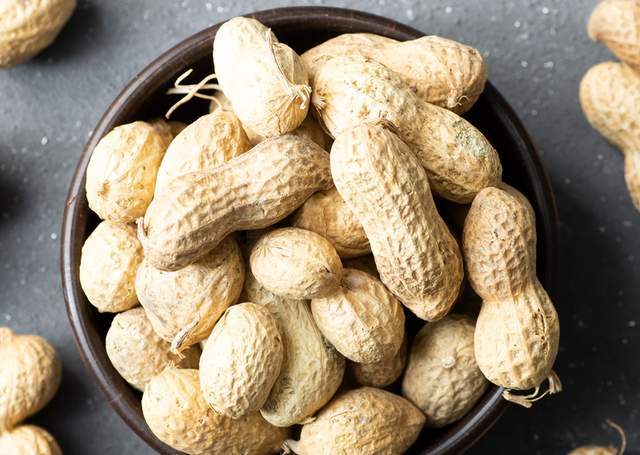 |
Peanuts are nutritious, but should be consumed in moderation for optimal health. Photo: Aboluowang |
Peanuts are nutritious, but should be consumed in moderation for optimal health. Photo: Aboluowang
Another significant concern is the risk of Aflatoxin mold. Peanuts served as snacks in eateries are sometimes not stored properly. Some individuals, reluctant to waste food, may roast slightly moldy peanuts thoroughly, mistakenly believing that high temperatures will kill bacteria. In reality, mold on peanuts produces Aflatoxin, a mycotoxin classified by the World Health Organization (WHO) as a Group one carcinogen. Aflatoxin is highly heat-stable; conventional roasting or boiling cannot destroy this toxin. A study published in the European Journal of Cancer confirms that Aflatoxin exposure combined with regular alcohol consumption significantly increases the risk of hepatocellular carcinoma (HCC).
Documents from NCBI further confirm that in individuals who consume alcohol, the liver's ability to resist toxins diminishes, making Aflatoxin more likely to attack liver cell DNA.
The processing ingredients used in preparing peanuts also add to the burden on the body. Fried, salted, or five-spice seasoned peanuts often contain high amounts of salt (sodium) and oil. An overly salty diet causes water retention, increasing the burden on the kidneys. Additionally, frying peanuts at high temperatures can easily produce altered fatty acids, causing oxidative stress to liver cells.
Peanuts remain a nutritious food when consumed correctly. To protect your health, you should follow these principles:
Prioritize boiled peanuts: This preparation method retains nutrients, adds no oil, and promotes satiety quickly, helping to limit overall intake.
Inspect carefully: Only consume fresh, plump peanuts. Absolutely discard any discolored, strange-smelling, bitter-tasting, or black-spotted peanuts to avoid Aflatoxin poisoning.
Eat in moderation: Limit daily intake to a small handful, avoiding them as a meal replacement or consuming excessive amounts while drinking alcohol.
Bao Nhien (Source: Sohu)


