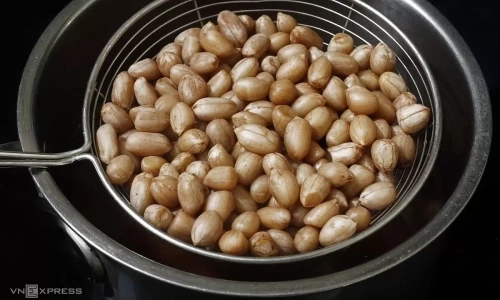
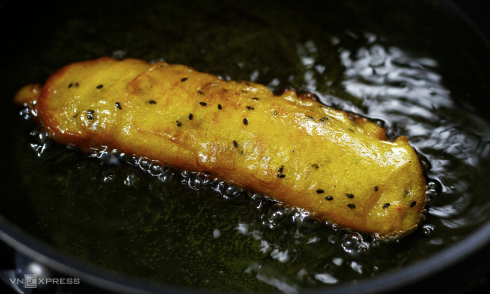
Tofu, peanuts, sesame, mushrooms, brown rice, and sweet potatoes provide plant protein, fats, and vitamins to support older adults in maintaining muscle as they age.
Minh Anh, 30, from Hanoi, has followed a vegetarian diet for five years and reports good health. She asks if continuing this diet during pregnancy poses risks of nutrient deficiencies or affects fetal growth.
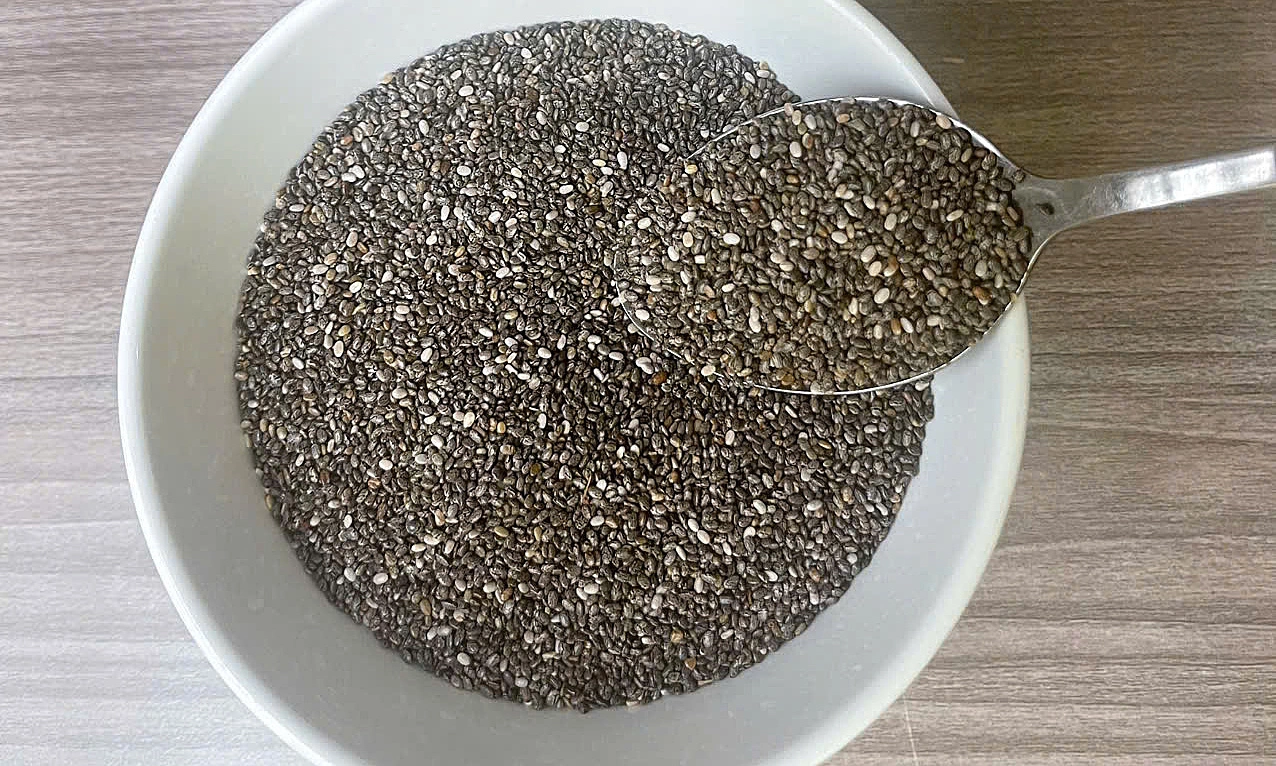
Oats, lentils, walnuts, chia seeds, and almonds are rich in fiber and good fats, helping to reduce bad cholesterol and limit the risk of atherosclerosis.
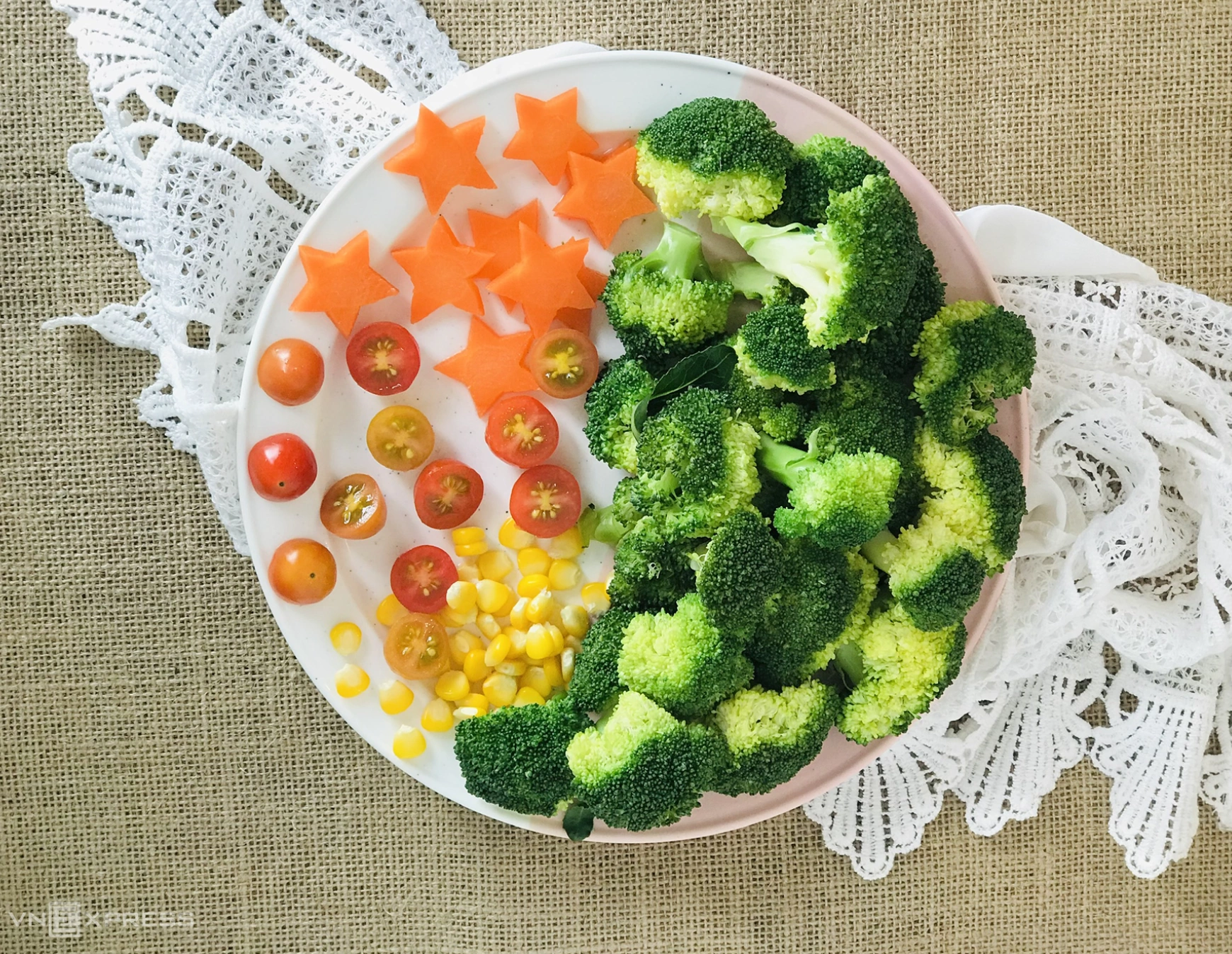
Eating a variety of foods, prioritizing green vegetables, supplementing with healthy protein, limiting processed foods, and reducing salt and sugar helps protect health.
Foods rich in vitamin A, C, carotenoids, and antioxidants, such as sweet potatoes, carrots, and bell peppers, help protect the eye surface and reduce dryness and eye fatigue.
Seniors experiencing joint pain should prioritize foods rich in omega-3, calcium, vitamin D, and antioxidants, as these can help reduce inflammation and support cartilage protection.
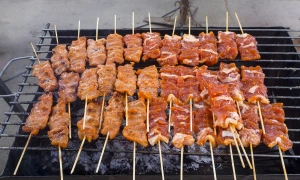
My family often has BBQ parties, especially on weekends, and I've heard that eating a lot of this type of food can easily lead to kidney failure or cancer. Is that true? (Manh Hung, 30, Can Tho)