Minh Anh, 29, an office worker in Ho Chi Minh City, spent a long time struggling with sensitive skin. She invested heavily in high-end cosmetics heavily advertised, but her skin continued to suffer from irritation, redness, and hidden acne. "The more specialized products I used, the weaker my skin seemed to become. I almost lost all faith in cosmetics," Minh Anh shared.
A turning point came when she decided to simplify her skincare routine and switch to natural ingredient products, following a friend's advice. She prioritized cosmetics with centella asiatica, tea tree, and chamomile extracts, while avoiding drying alcohol and artificial fragrances. After several months of consistent use, her skin gradually recovered, becoming healthier, smoother, and free from redness. "I realized my skin doesn't need anything overly complicated; it just needs to be 'listened to' and nourished with the gentlest ingredients," she said.
Similarly, Phuong Thao, 32, from Hanoi, began her journey when she became pregnant with her first child. Hormonal changes made her skin more sensitive, and concerns about chemicals in cosmetics potentially affecting her fetus prompted her to re-evaluate all the products she was using. "During that period, my top priority was safety. I sought out organic dermocosmetic brands, carefully read every certification, and favored products with a high percentage of natural ingredients, free from parabens or harmful preservatives," Phuong Thao recounted. This habit not only ensured a worry-free pregnancy but also continued after childbirth, becoming a part of her family's lifestyle.
Minh Anh and Phuong Thao exemplify the growing "green" beauty trend.
According to Katarzyna Tyborowska, head of research and development for cosmetics at Ziaja Pharmaceutical Factory Co., Ltd., a leading dermocosmetic brand from Poland, the popularity of this skincare approach stems from several factors. Consumer awareness of health has significantly increased, making people more cautious about the potential effects of industrial chemicals on the body. Simultaneously, environmental consciousness drives them to seek sustainable beauty products that contribute to a greener future.
The expert also noted that the appeal of "green" cosmetics comes from clear benefits. Primarily, they offer safety and mildness. "Formulated with plant and herbal extracts, these products generally cause less irritation, making them suitable for all skin types, including the most sensitive and vulnerable," the expert stated. Instead of using harsh active ingredients that can erode the natural protective barrier, "green" cosmetics work by gently nourishing the skin, respecting its inherent balance.
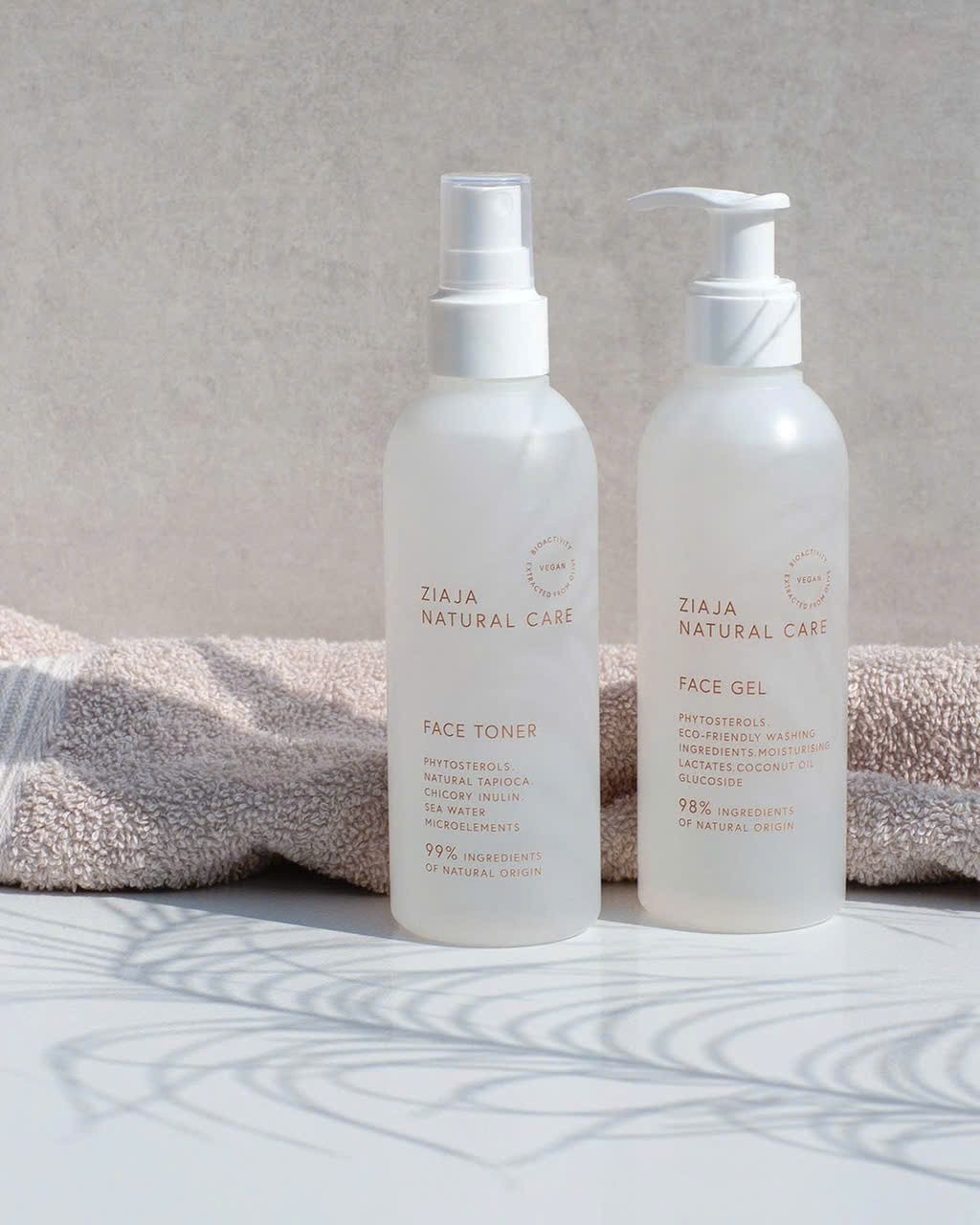 |
The Ziaja Natural Care Face Gel and Ziaja Natural Care Face Toner duo. Photo: Ziaja |
Beyond safety, natural ingredients are rich in nutrients, nourishing the skin from within. Familiar active ingredients like shea butter, coconut oil, argan oil, and aloe vera extract are "super ingredients" for the skin, packed with vitamins, fatty acids, and natural antioxidants. They penetrate deep into the epidermal layers, providing hydration, supporting skin barrier repair, and combating free radicals that cause aging. While the effects may not be as "rapid" as chemical-laden specialized products, "green" beauty delivers sustainable results, improving overall skin health from the root and leading to truly healthy skin.
A Statista report in 2024 indicated that 75% of Gen Z consumers look for products with safe and eco-friendly ingredients. 68% prioritize products with transparent ingredient lists. An InsightAsia survey showed that 62% of Gen Z are willing to pay more for cosmetics free of alcohol, synthetic fragrances, or controversial preservatives.
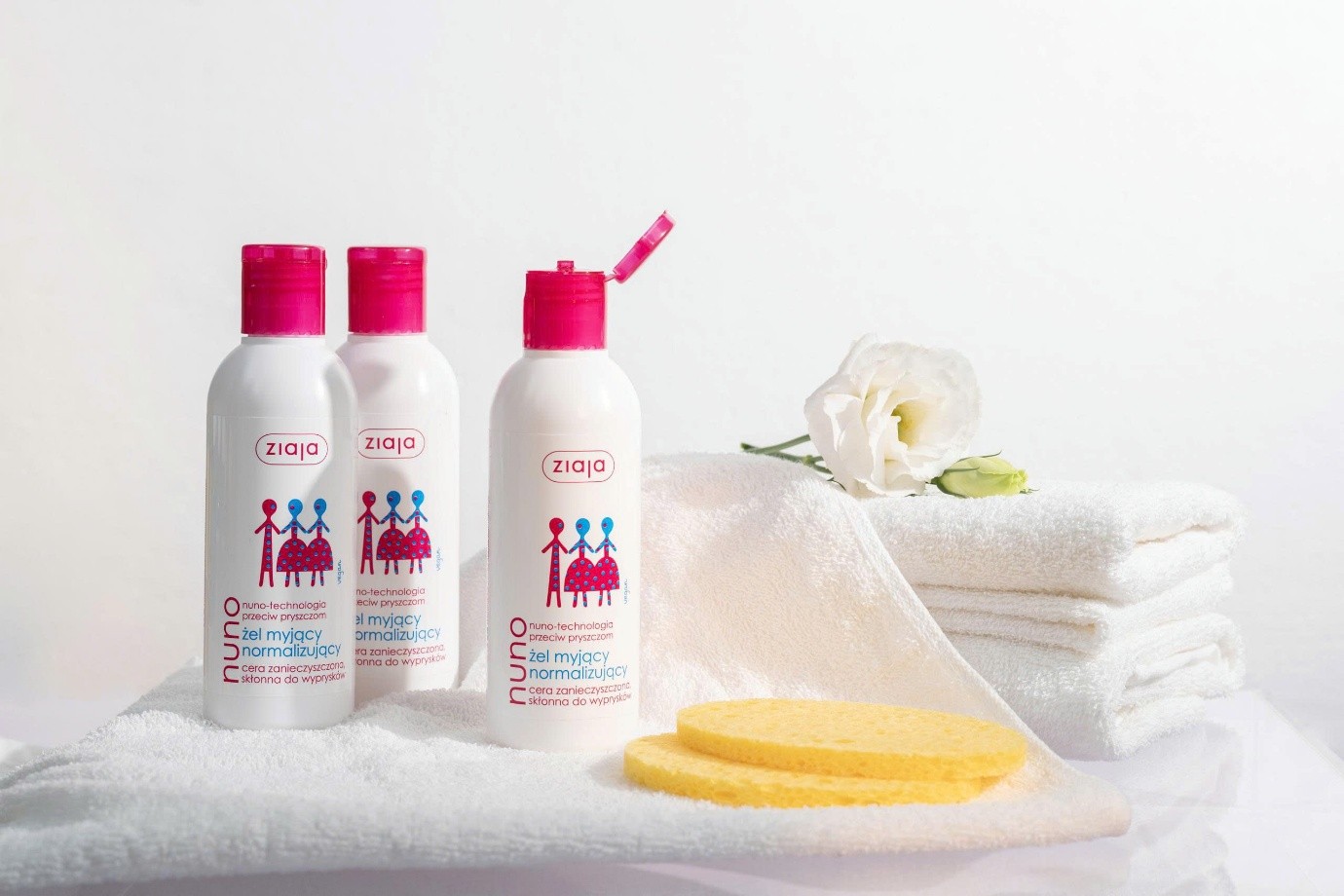 |
Ziaja Nuno Zel Myjacy Normalizujacy - Nuno acne-preventing face wash gel. Photo: Ziaja |
Experts believe this is not a short-term trend but an inevitable shift in the beauty industry. Transparency in ingredients, ethical production processes, and a commitment to sustainability are becoming mandatory standards for all brands.
To begin a "green living" journey for the skin, the first step is to develop the habit of carefully reading product ingredient lists. A representative from Ziaja advises consumers to learn how to identify natural ingredients while being vigilant and avoiding potentially harmful chemicals such as parabens, sulfates, formaldehyde, or synthetic fragrances.
In addition to making cosmetics at home, consumers can seek out reputable brands that adhere to the "green" beauty philosophy. Ziaja's Natural Care line, for example, with essential products like its face wash gel (98% natural) and balancing face toner (99% natural), offers an ideal choice for a daily skincare routine.
For those with oily and acne-prone skin, the Nuno face wash gel and toner duo are suitable, featuring 92% and 97% natural ingredients respectively, helping to cleanse and balance the skin without causing irritation. The brand's masks are also diverse, including the Goat's milk mask and the 2-in-1 exfoliating mask containing glycolic acid (90% natural).
The "green living" philosophy extends beyond facial skin. The brand also focuses on caring for sensitive body areas through its Intimate hygiene solutions, featuring extracts from lily of the valley, oak bark, or roman chamomile, achieving up to 96% natural ingredients. The Natural Care deodorant also ensures a 98% naturally derived ingredient ratio, providing peace of mind for users.
"Green skincare is not only a smart beauty choice, nourishing healthy skin from within, but it also demonstrates responsibility towards the environment, striving for a truly harmonious and sustainable beauty," said the expert from Ziaja.
Thanh Thu