During a meeting with voters on 6/5, Le Ngoc Quang clarified that the city has no plan to relocate all universities from the inner city to a single new area. Planning will consider the specific needs of each institution, rather than a rigid, centralized approach.
Quang noted that the University Village in the Ngu Hanh Son and Dien Ban Dong areas was planned nearly 30 years ago. Its current 300 ha area is proposed for expansion to approximately 600 ha, and this existing plan will be maintained.
The city has prioritized numerous infrastructure projects for this area. Da Nang University has already begun its first phase, investing nearly 2,800 billion VND to construct training facilities and dormitories.
As planning is finalized, Da Nang is exploring options for some universities to expand their facilities into other areas, including the southern region. However, any potential relocation would be phased, not a complete transfer of all institutions.
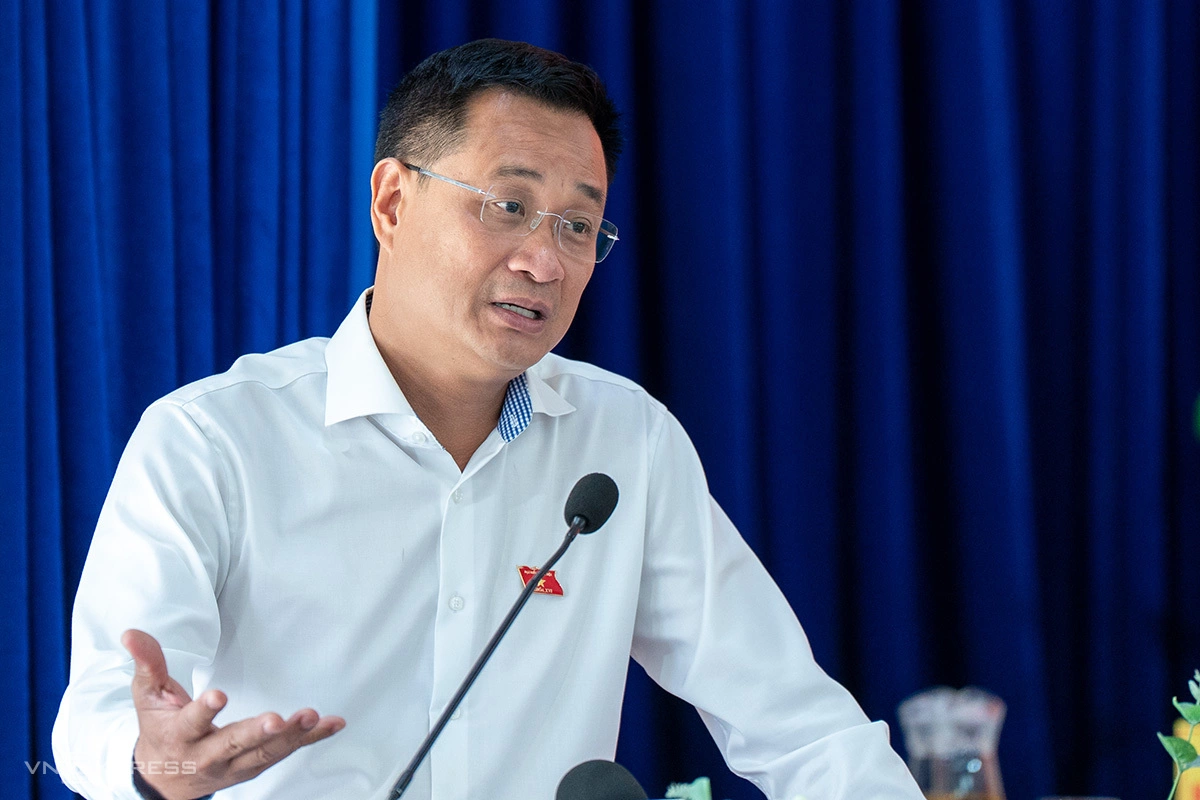 |
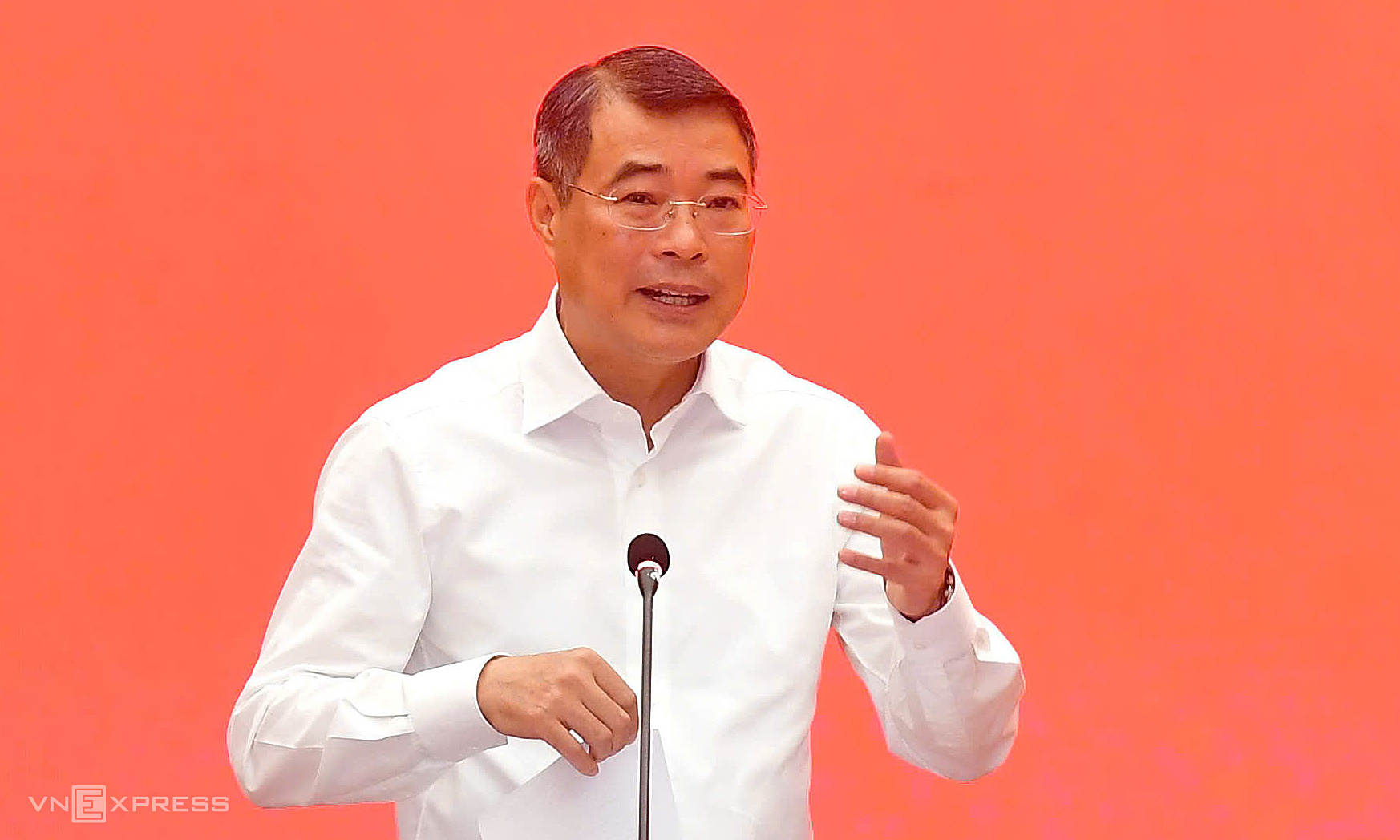
The Secretary of the Da Nang Party Committee informs voters about the University Village project. Photo: Nguyen Dong. |
The concept for Da Nang University Village dates back to 1997. Originally planned for about 300 ha with an estimated 1,700 billion VND investment, it aimed to establish a major training hub in the central region. However, the project underwent multiple adjustments and remained in a state of "suspended planning" for an extended period.
In 2019, the project was revived with a 1/2,000 subdivision plan, allocating learning and research zones for 11 schools and member institutions of Da Nang University. This initiative aims to address the issue of universities being dispersed across the inner city, where land is scarce and infrastructure is strained. Institutions will gradually relocate or expand into the University Village area as infrastructure development progresses.
By the end of 1/2026, Da Nang University had initiated a sub-project in Hoa Quy - Dien Ngoc, investing nearly 1,080 billion VND to construct infrastructure, lecture halls, and dormitories for several member institutions.
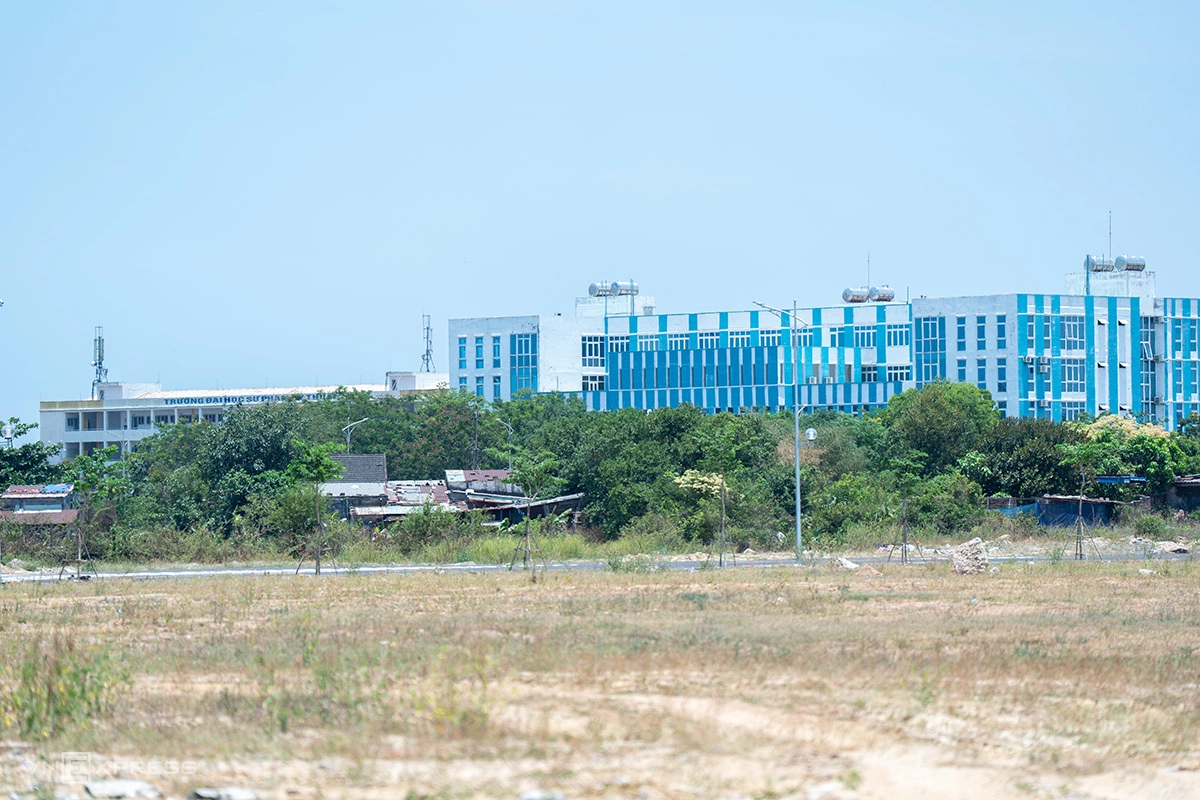 |
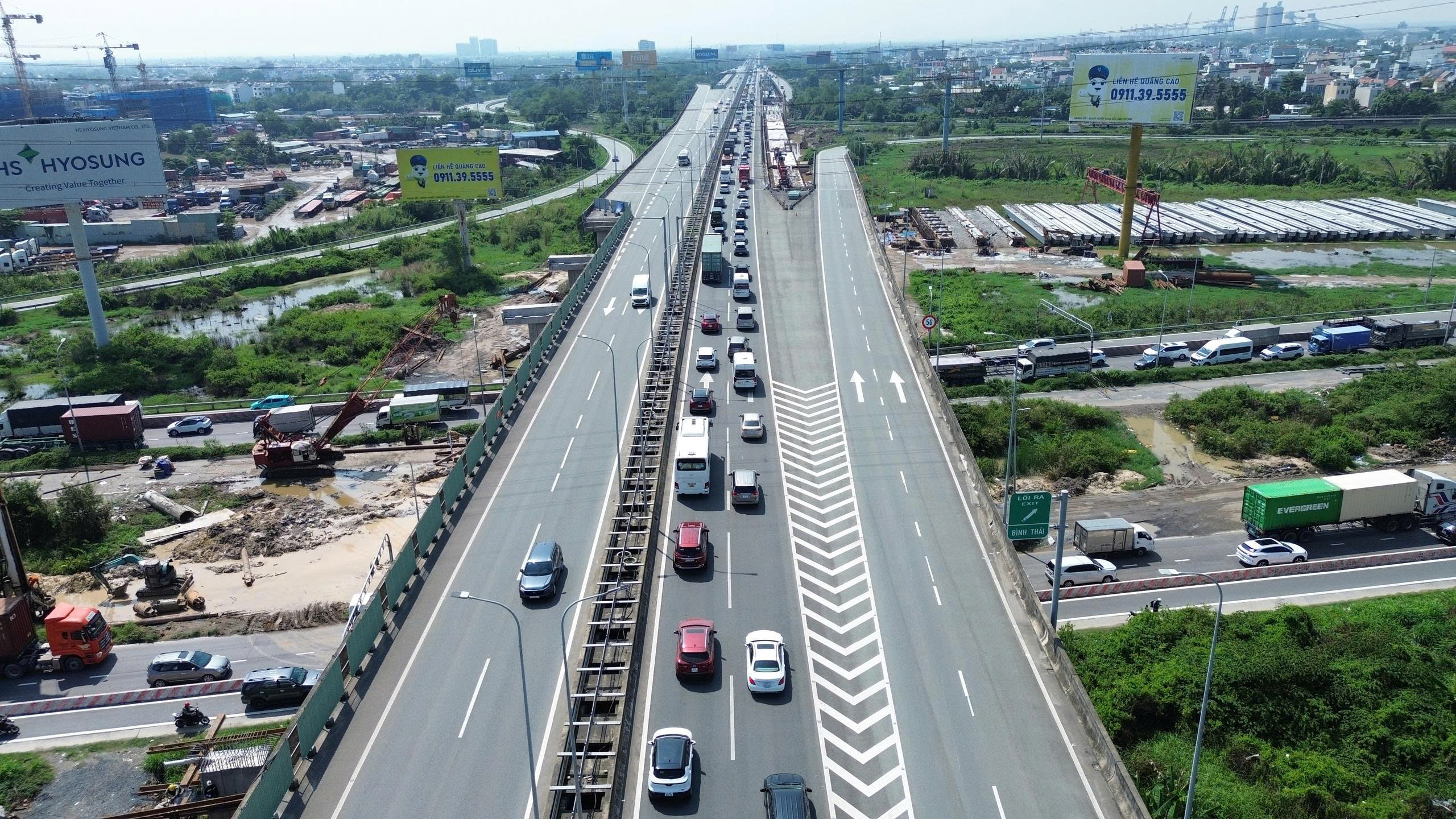
The existing University Village area, over 10 km from the city center, already has many universities building infrastructure, while some surrounding areas have not yet been cleared, 5/2026. Photo: Nguyen Dong. |
The city currently hosts about 15 universities and research institutes. The concentration of these facilities within the inner city creates substantial pressure on land availability and transportation infrastructure, necessitating a redistribution of educational space.
City leaders emphasize that the University Village's implementation is a long-term endeavor requiring synchronized efforts and a clear roadmap to prevent waste. Additionally, "suspended plans" affecting the project area will be reviewed to safeguard residents' rights.
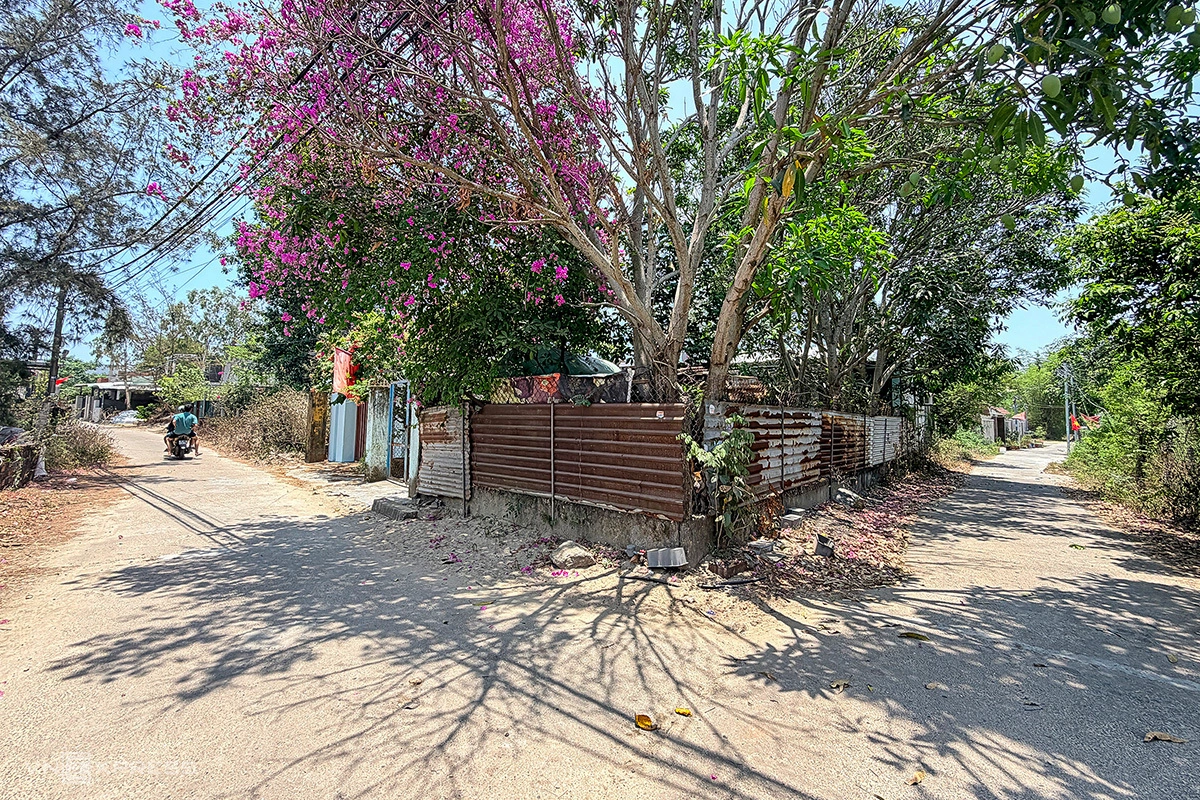 |
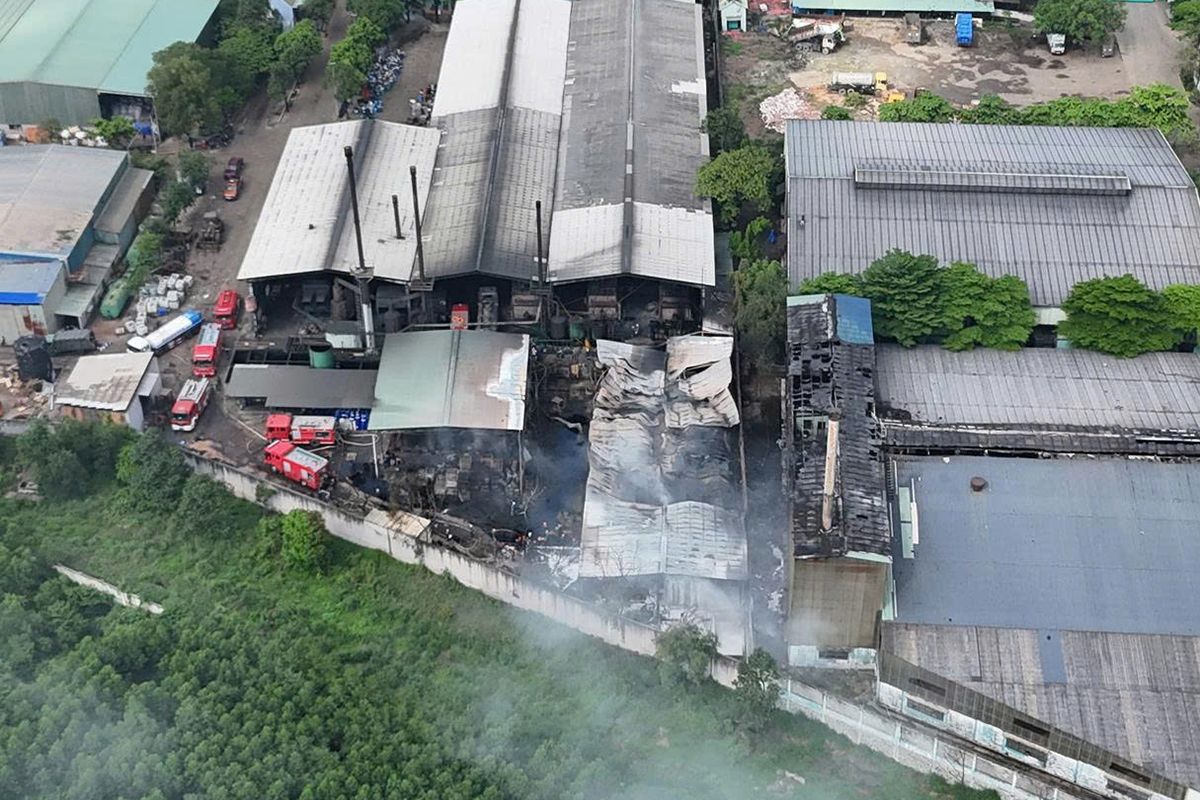
The "suspended planning" area designated for the University Village remains sparse, featuring many dilapidated level-four houses (simple, often temporary structures) that have not been repaired for extended periods. Photo: Nguyen Dong. |
Nguyen Dong