On the afternoon of 27/5, Hanoi People's Committee Chairman Vu Dai Thang chaired a meeting to review the implementation of central government directives on initiating social and rental housing projects. To promptly launch the rental housing model, following directives from the central government and the prime minister's guidance during a 25/5 working session with Hanoi, the city chairman requested units to immediately implement several key projects before 15/6.
Specifically, the student housing project in the Phap Van - Tu Hiep area is mandated to utilize existing designs to accelerate progress and reduce costs. The city will also continue to review rental housing projects in Viet Hung ward and other projects within the Hoa Lac Hi-Tech Park for early implementation.
The city chairman stated that the beneficiaries of the rental housing policy would be broad, encompassing workers, students, armed forces personnel, teachers, doctors, journalists, and various other labor groups. "The government's new perspective is to develop a long-term rental real estate market, serving the genuine housing needs of residents, not aiming for ownership or asset speculation. Housing must truly be a place to live, to enhance the quality of life for the people," Thang said.
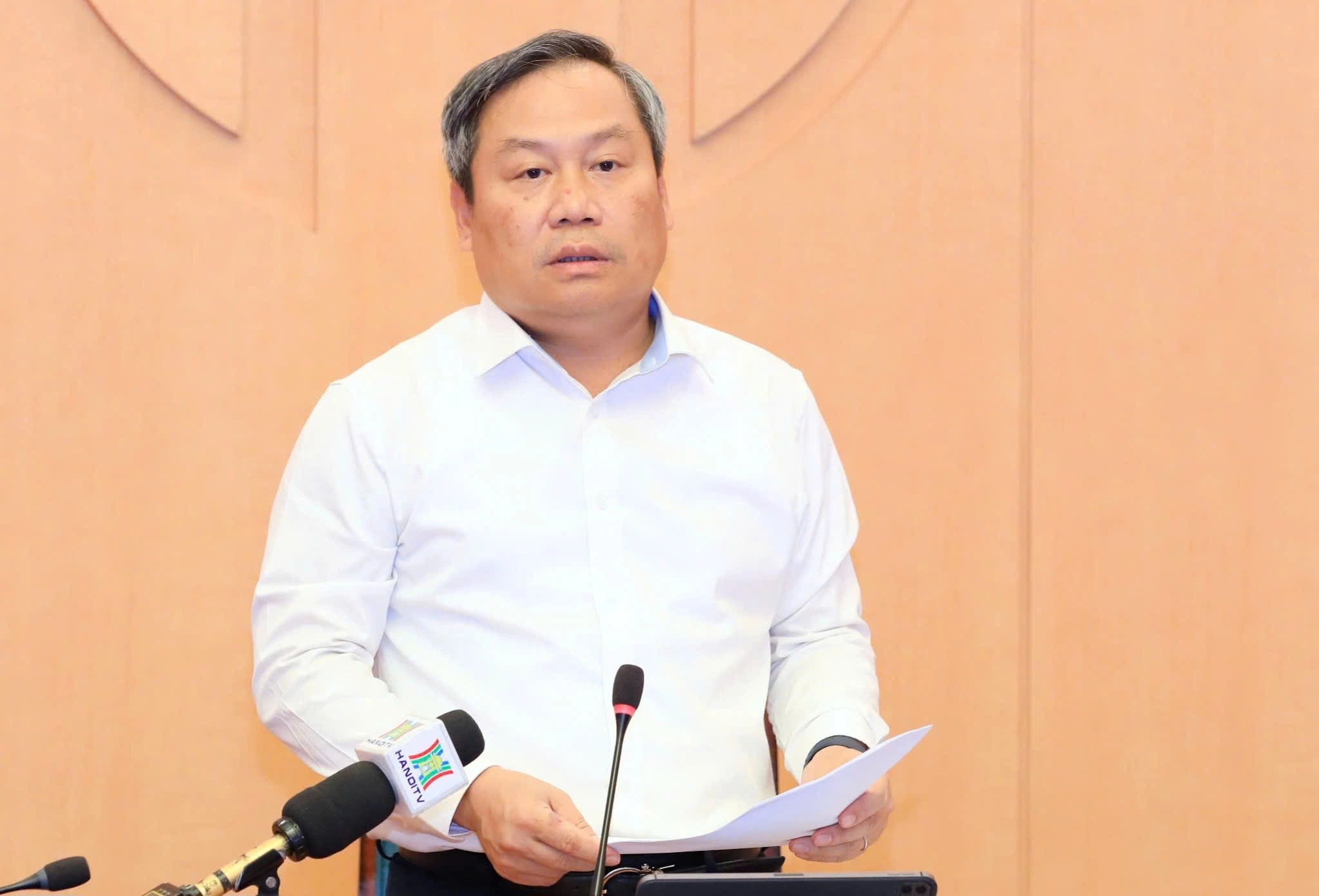 |
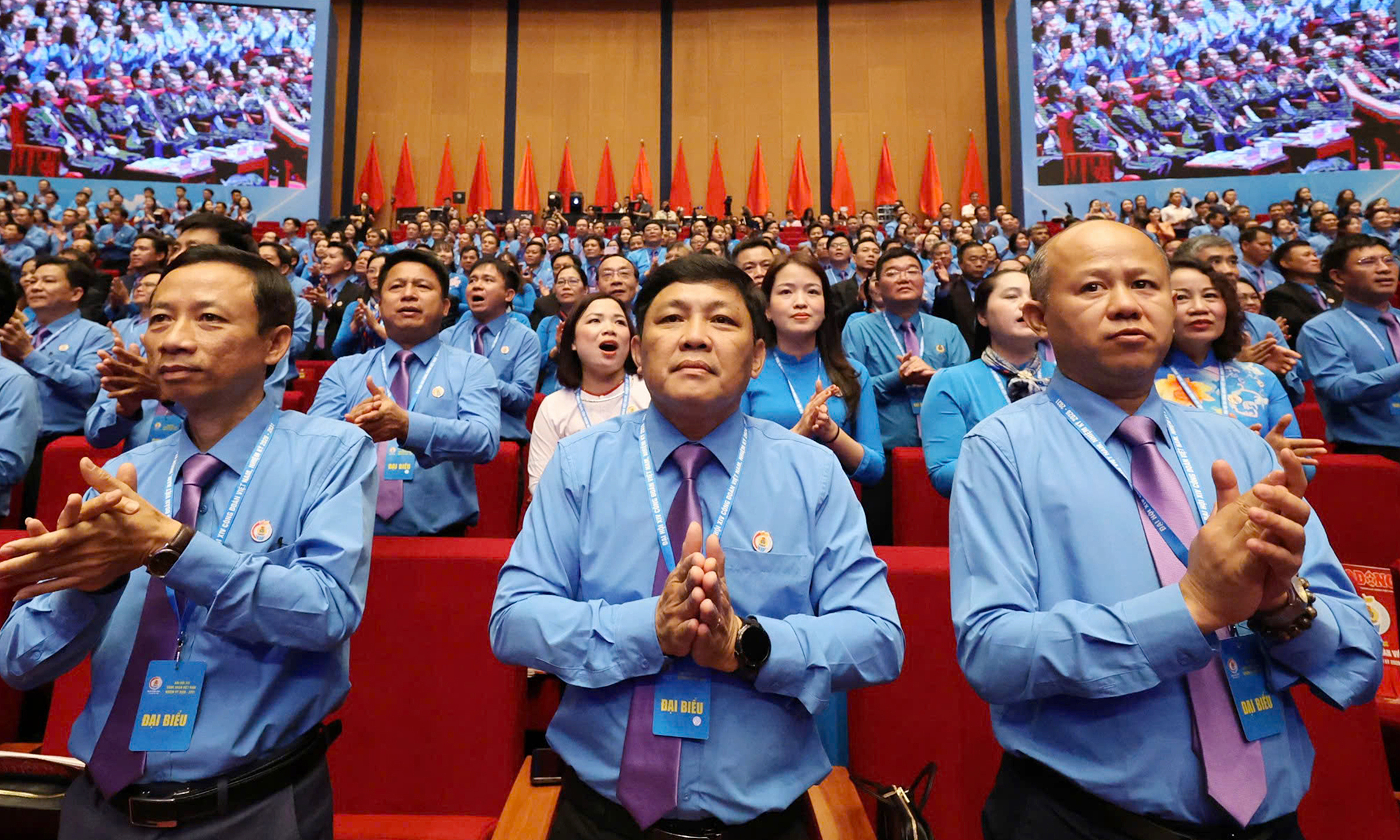
Hanoi People's Committee Chairman Vu Dai Thang speaking at the meeting on 27/5. Photo: Hoang Phong |
Hanoi People's Committee Chairman Vu Dai Thang speaking at the meeting on 27/5. Photo: Hoang Phong
Hanoi's leader urged departments and agencies to comprehensively assess the current state of social and social rental housing development in the area. They are also tasked with researching attractive mechanisms and policies to draw businesses into investing in this segment.
"Businesses with practical experience in managing, operating, and developing rental real estate should proactively register and propose projects. The city commits to minimizing procedures and prioritizing swift resolution of processes to ensure the early implementation of rental housing projects," Thang affirmed.
The Hanoi chairman also requested a study to adjust and increase the proportion of social housing designated for rent. He noted that this ratio was previously set at around 20%, but now needs to be re-evaluated to a more suitable level, potentially 20-30%, depending on the project. Concurrently, a unified management mechanism for the social rental housing fund must be established, rather than allowing each investor to operate differently.
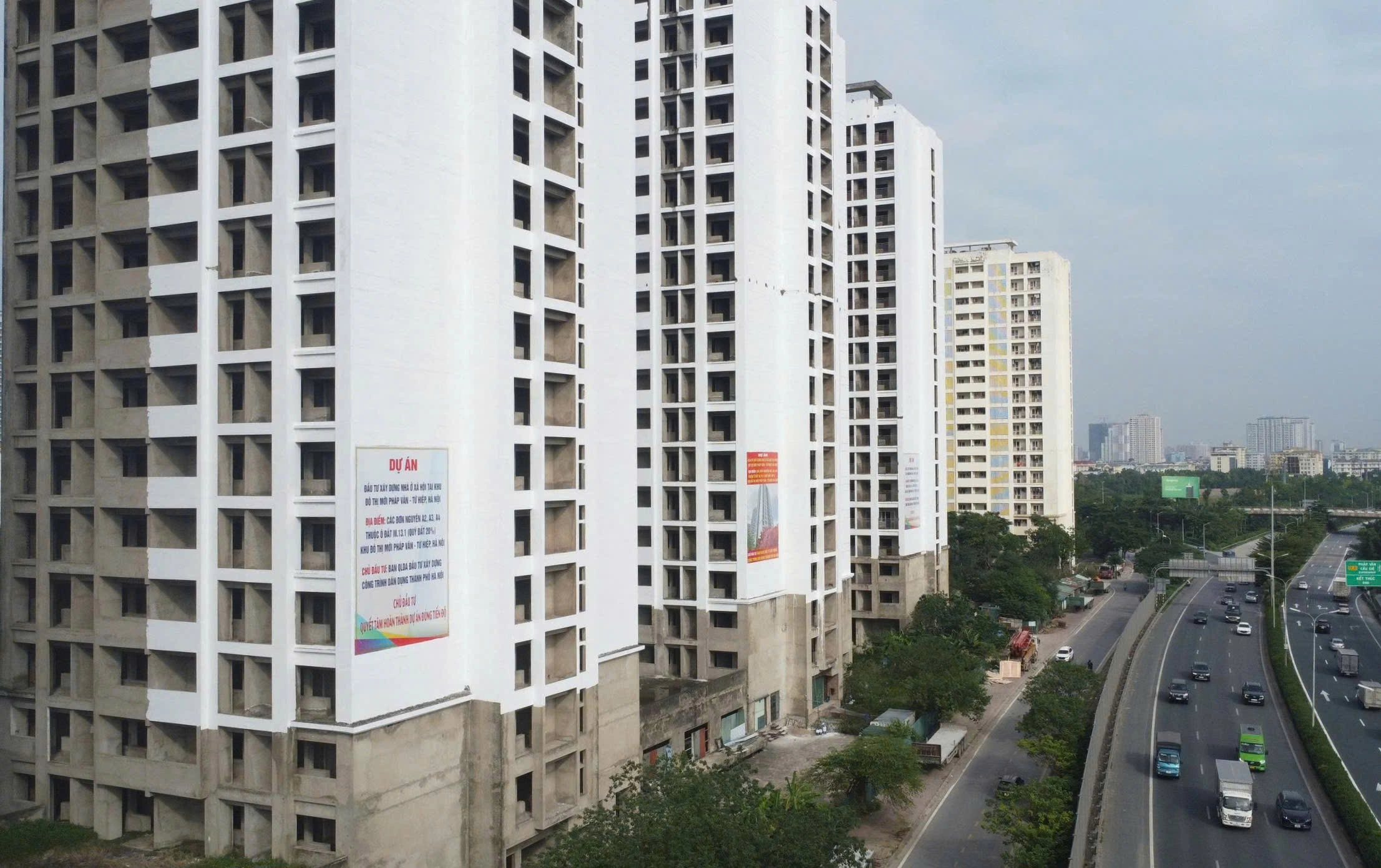 |
The student housing project in Phap Van - Tu Hiep area will be considered for rental housing. Photo: Hoang Phong |
The student housing project in Phap Van - Tu Hiep area will be considered for rental housing. Photo: Hoang Phong
To ensure the pilot launch of a rental housing project in june, the Department of Construction proposed implementing multiple solutions simultaneously. The Department of Planning and Architecture is assigned to review and propose suitable land funds, prioritizing areas with convenient public transport connections, close to industrial zones, hi-tech parks, or where high-quality labor is concentrated.
The Department of Finance will select investors through specific mechanisms. The Department of Agriculture and Environment will collaborate to review eligible public land. The Department of Construction will support the completion of design procedures and construction permits to ensure conditions for groundbreaking in june. Communes and wards are tasked with coordinating land reviews, assisting with site clearance, and implementing projects on schedule.
Mechanisms needed to attract investment in rental housing
Hanoi People's Committee Standing Vice Chairman Duong Duc Tuan emphasized that international trends are shifting towards rental housing models that align with income levels and different stages of population development. Therefore, the current legal framework needs further study and adjustment to more clearly classify housing types, including: commercial housing, rental housing, social housing, public housing, and resettlement housing. Within this, the operational mechanism for rental housing requires clarification due to a lack of a comprehensive legal framework, which hinders investment attraction and practical implementation.
He suggested implementing flexible approaches, including public investment, public-private partnerships (PPP), private investment with policy support, socialization, and mobilizing international resources. These strategies aim to reduce investment costs, thereby lowering rental prices for residents. A key requirement set by the city is that rental housing projects must secure clean, ready-to-deploy land of sufficient scale, prioritizing areas of approximately 42 hectares or more, with synchronized technical infrastructure and convenient connectivity.
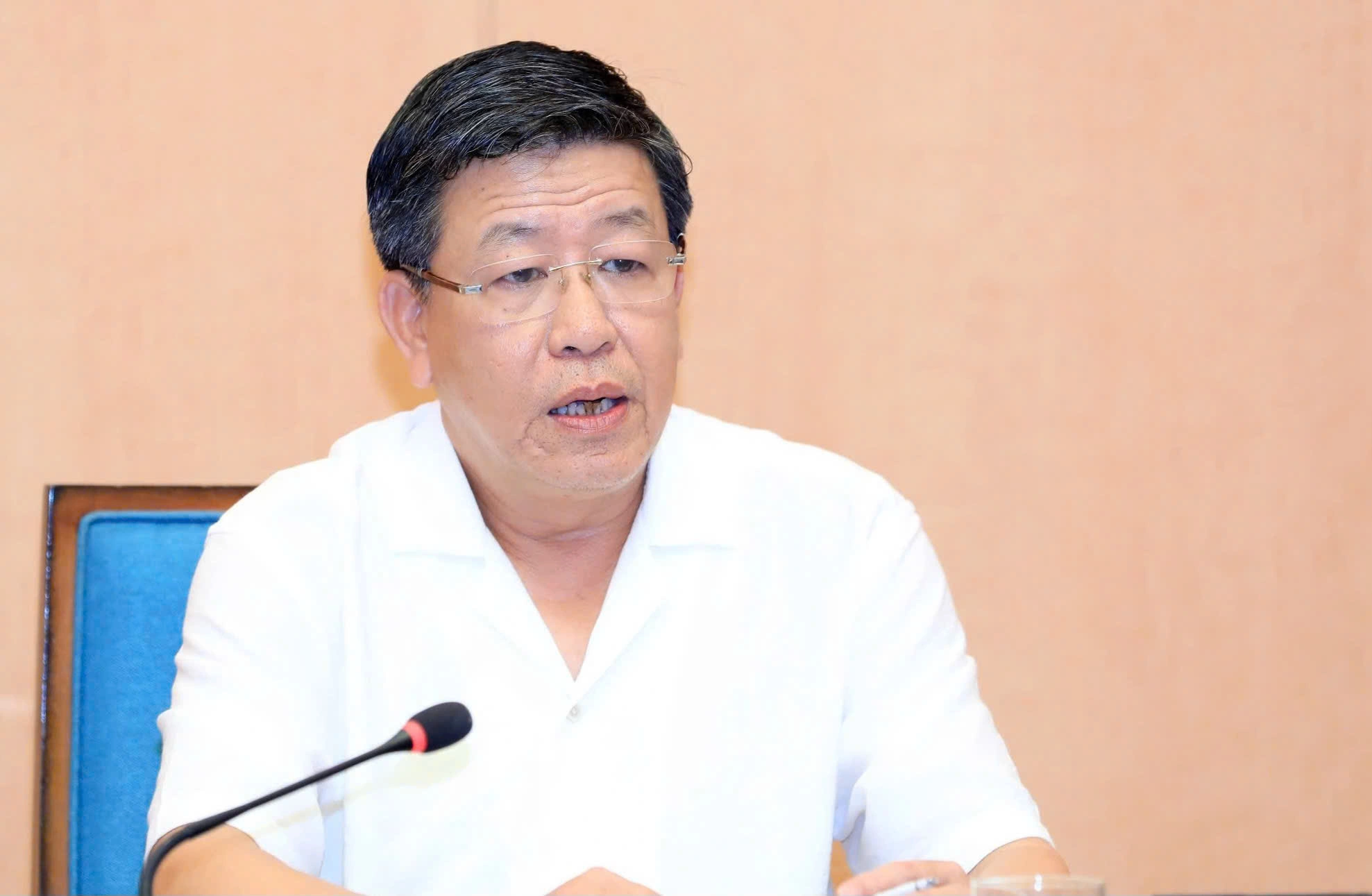 |
Hanoi People's Committee Standing Vice Chairman Duong Duc Tuan. Photo: Hoang Phong |
Hanoi People's Committee Standing Vice Chairman Duong Duc Tuan. Photo: Hoang Phong
According to the Hanoi Department of Construction, the city currently has 90 social housing projects comprising approximately 80,800 units. Among these, 13 projects with over 11,000 units have commenced construction; 41 projects with nearly 27,500 units are slated to begin in 2026; 29 projects with over 35,000 units are anticipated for 2027; and 7 projects are completing investment procedures.
The Department of Construction has also incorporated mechanisms and policies to support rental housing investment into the draft resolution of the City People's Council under the amended Capital Law 2026.
Previously, General Secretary, President To Lam called for prioritizing the development of rental apartments in major cities, industrial zones, and economic zones. He stressed that housing must serve genuine living needs, not asset speculation. During a 25/5 working session with Hanoi, Prime Minister Le Minh Hung also instructed the city to immediately implement several rental housing projects in june to meet the practical needs of residents.
Vo Hai