On 9/7, the National Assembly Standing Committee deliberated on a draft resolution concerning special mechanisms and policies for addressing legal violations related to the state and private economy, as well as the application of science, technology, innovation, and digital transformation.
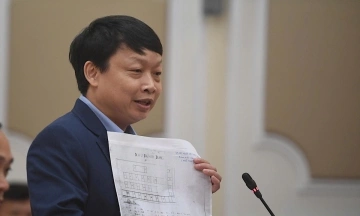
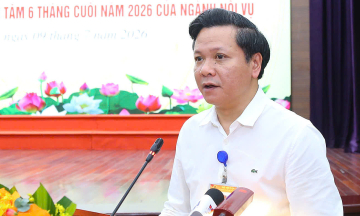
General Luong Tam Quang, Minister of Public Security, stated that the resolution aims to institutionalize the policy of protecting proactive, creative officials who dare to think and act for the common good, without corruption or waste. The handling of violations will be based on political, economic, and social effectiveness.
According to Article 5 of the draft, procedural authorities will not pursue criminal liability if the violator meets all six conditions: no corruption; actions are for the common good; investment, production, business activities, or the application of science and technology have been completed; actions have brought economic and social benefits to the locality and the country; there are no complaints or denunciations, or any such complaints and denunciations have been definitively resolved; and there has been no loss or waste of assets, or all consequences have been fully remedied.
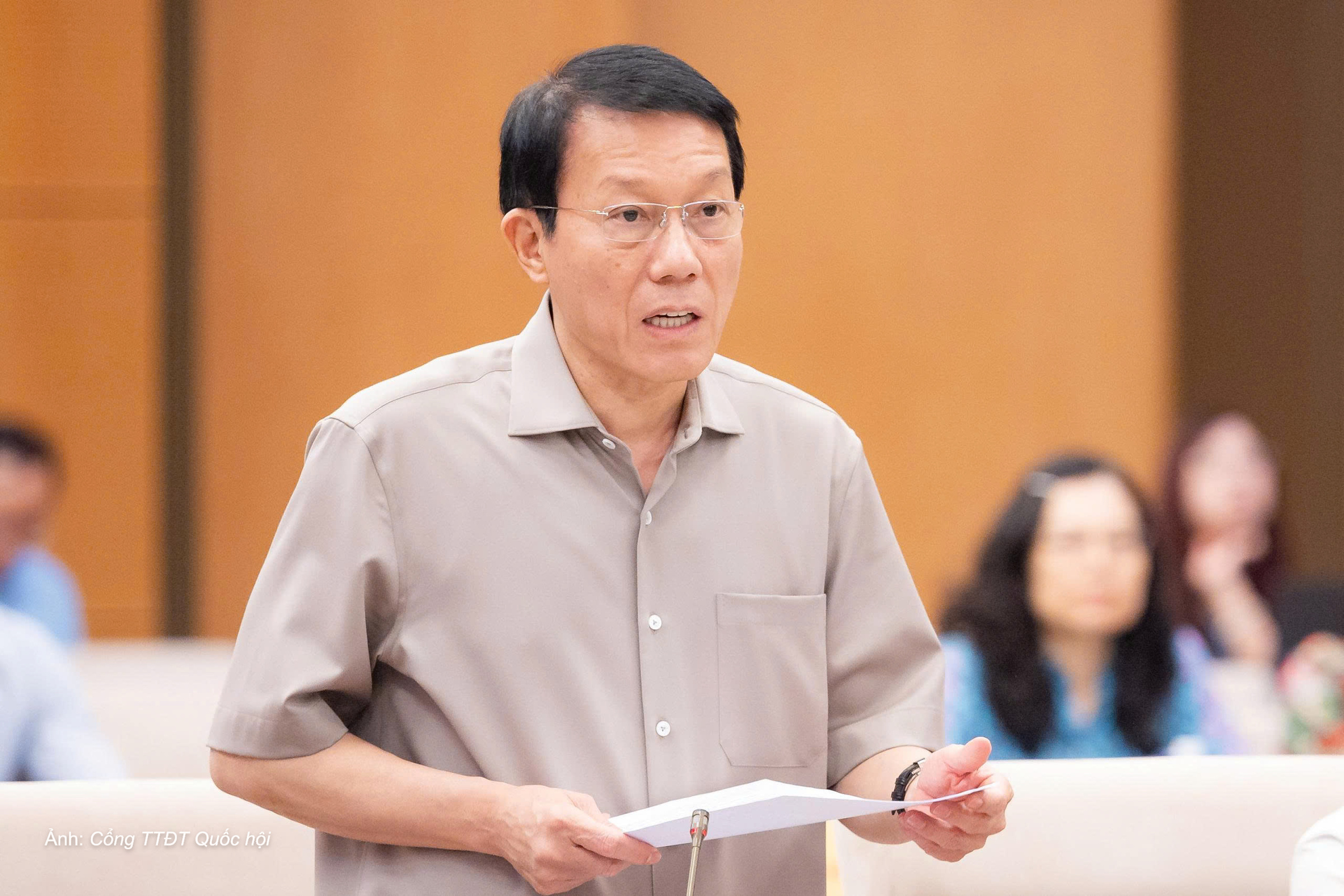 |
Dai tuong Luong Tam Quang, Minister of Public Security. Photo: National Assembly E-portal
The draft also specifies two cases for the exclusion of criminal liability for individuals who cause damages due to risks in the application of science, technology, innovation, and digital transformation. The first case applies when an activity encounters risks and causes damage, but the implementer has strictly adhered to correct procedures and regulations. The second case applies when there are no existing laws or regulations governing the process, or when current laws are conflicting or overlapping. In this scenario, the implementer must not be corrupt, must have acted for the common good, completed their task, and brought about positive results.
For cases involving the temporary suspension of criminal liability, the draft outlines three conditions: the legal violation was committed for the common good; it caused loss or waste of state or enterprise assets but without corruption; and there is the ability to remedy the consequences for ongoing, incomplete activities or for consequences that have not yet been addressed.
The Economic and Finance Committee evaluated the draft, noting its many new, inter-sectoral provisions that directly impact the handling of legal violations and the rights and interests of organizations and individuals. The reviewing body recommended clearly distinguishing between criminal, administrative, and civil liability, as well as the responsibilities of legal entities and individuals. It also proposed separating the process of assigning liability from that of resolving difficulties and remedying the consequences of projects and works.
According to the reviewing body, a policy of leniency should only apply to cases where there is no corruption, no self-serving motive, actions are for the common good, consequences have been remedied, and all legally stipulated conditions are met.
Regarding the proposal that individuals exempted from criminal liability would face the highest administrative penalty, the majority of opinions from the reviewing body suggested a review. They argued that this provision is inconsistent with the principle of individualization in handling administrative violations and could reduce the humanitarian aspect and feasibility of the policy.
The Economic and Finance Committee also urged continued review of provisions related to the exemption and mitigation of criminal liability. This is to ensure that consequence remediation does not become the sole or absolute decisive factor for receiving leniency.
The draft resolution is expected to be submitted to the National Assembly for consideration and approval at an extraordinary session in August.
Son Ha