 |
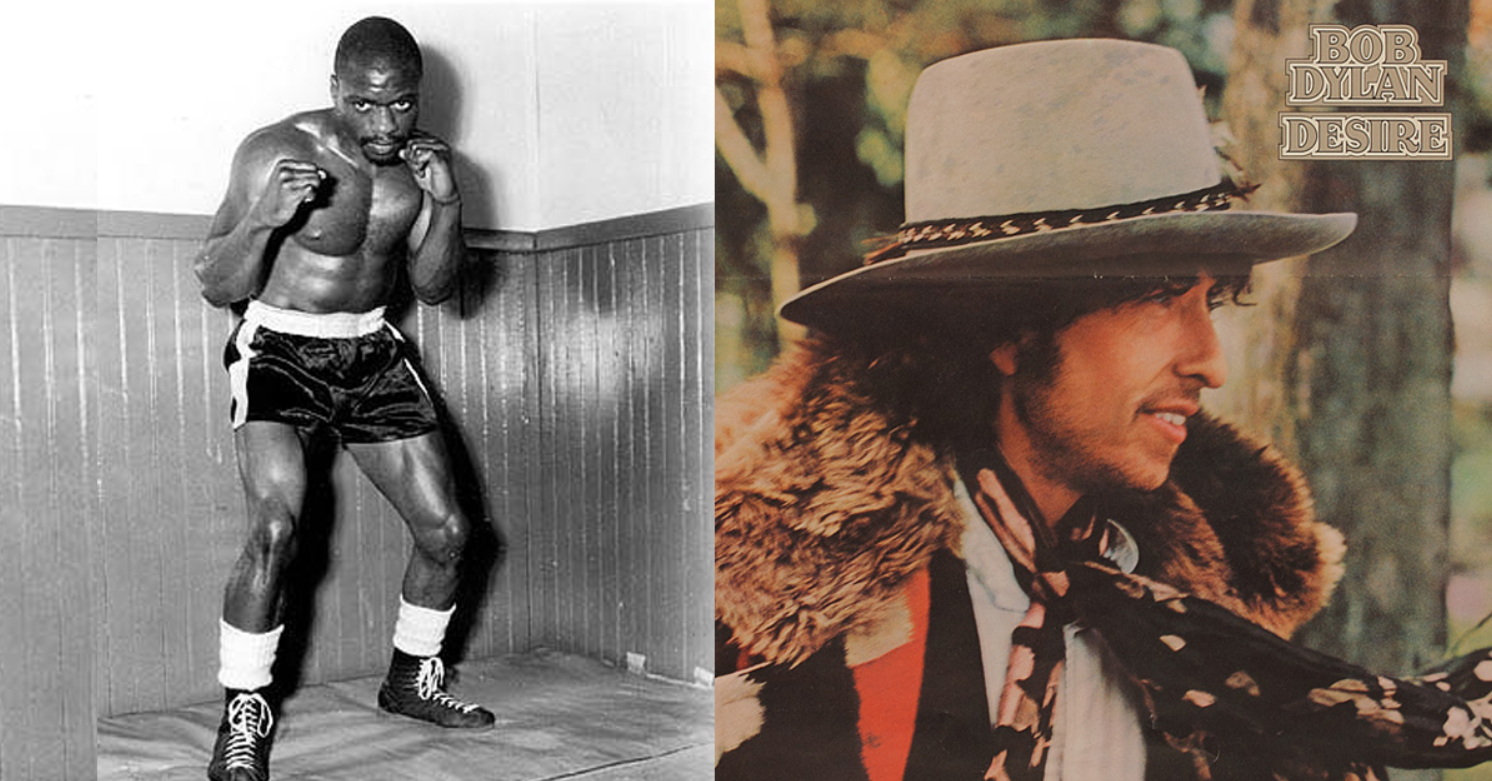
Bob Dylan and the historic song "Hurricane" about Rubin "Hurricane" Carter. Anh: Marca
Music and sports have long been powerful tools shaping popular culture. Since the late 19th century, with the advent of radio, rapid printing, cinema, and television, these two fields have not only entertained but also profoundly impacted society. A clear example is how, before the 20th century, the largest structures were temples, but thereafter, stadiums—venues for matches and musical performances—became the new symbols of the era.
Ten years ago, the Nobel Prize in Literature caused a stir when it was awarded to Bob Dylan (real name Robert Allen Zimmermann), the renowned singer-songwriter. This award sparked debate, similar to when the Queen of England knighted the English rock band The Beatles. Some argued that music was not true literature.
However, Dylan's award recognized his ability to combine music and words, alongside his widespread social influence. Late poets Allen Ginsberg, Bertolt Brecht, or Dylan Thomas possessed talent but did not achieve similar societal impact. Dylan, through his music and lyrics, reached millions, becoming a spiritual leader.
Among his notable compositions, the song "Hurricane" just turned 50. Released in January 1976, the song quickly spread globally, telling a boxing story that transcended the ring, advocating for justice and social struggle. To understand the song's power, one must revisit the figure of Rubin "Hurricane" Carter.
 |
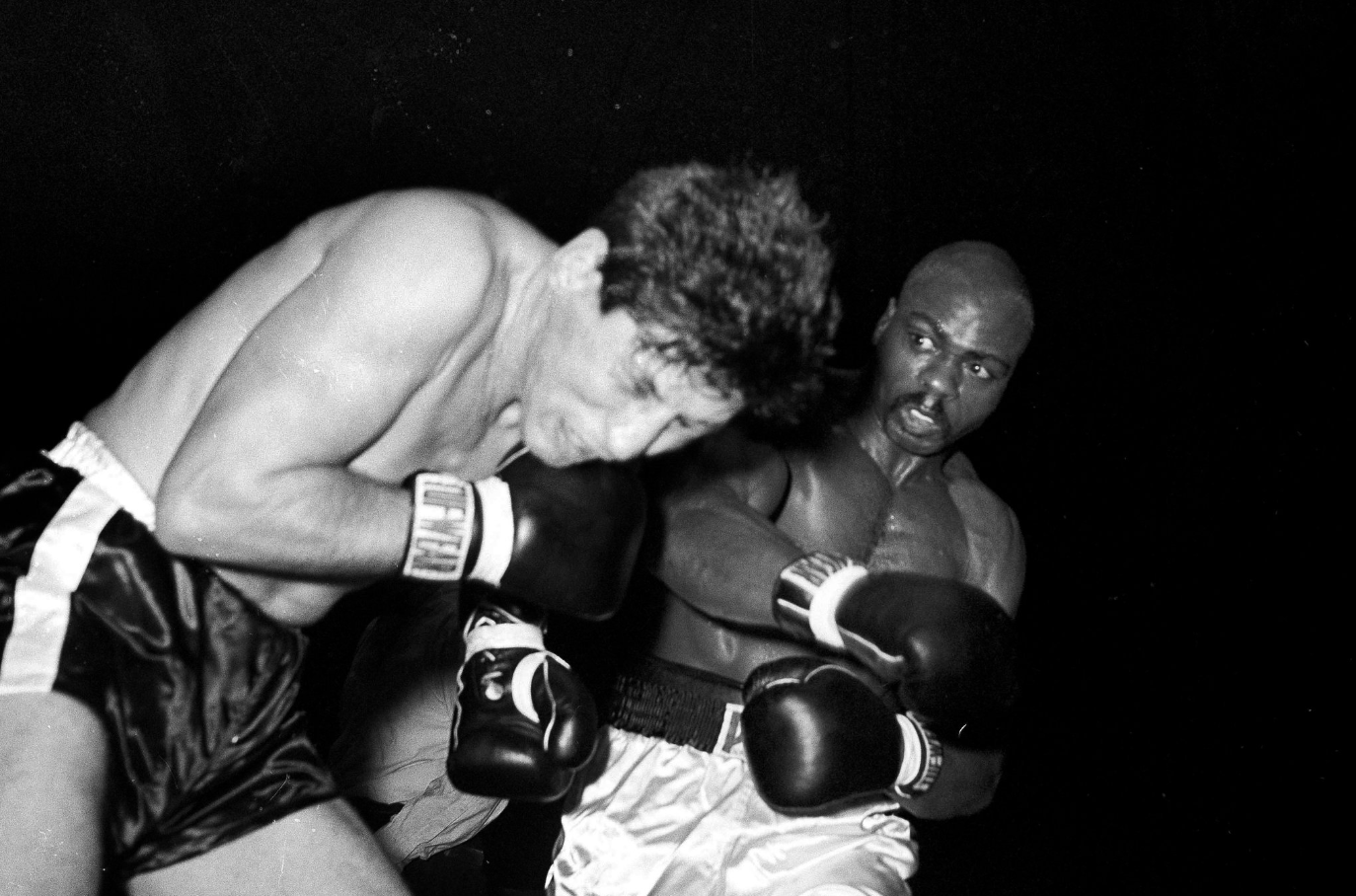
Rubin Carter (right) lands a punch on Joey Giardello during a championship fight in Philadelphia in 1964. Anh: AP
Carter was born during a period of racial segregation in America, enduring a impoverished childhood, and having brushes with the law that led him through correctional facilities. By the mid-1960s, however, Carter had established a professional boxing career: 27 wins, 19 knockouts, and 12 losses, and was on his way to challenging for the middleweight title. His nickname, "Hurricane Carter," originated from this period.
Everything changed at 2:30 AM on 17/6/1966, when a shooting at the Lafayette Bar and Grill in Paterson, New Jersey—Carter's hometown—resulted in three fatalities. A surviving witness claimed the perpetrators were two black men. Others, standing outside the bar, confirmed seeing two black men flee.
Minutes later, Carter, John Artis, and another friend drove past the bar on their way home from a nearby club. Initially, police stopped them for a check and let them go, but after dropping off the third friend, Carter and Artis were stopped and arrested by police when they passed the bar a second time, about 45 minutes after the shooting.
In 1967, both Carter and Artis were convicted of all three murders and sentenced to life imprisonment. The conviction relied on ambiguous evidence, unreliable witnesses, and their presence near the scene, despite no weapons or direct evidence linking them to the crime. The trial occurred amidst civil rights tensions and fears of violence from groups like the Black Panthers revolutionary social-political organization. Many believed this was a wrongful conviction influenced by racial bias.
 |
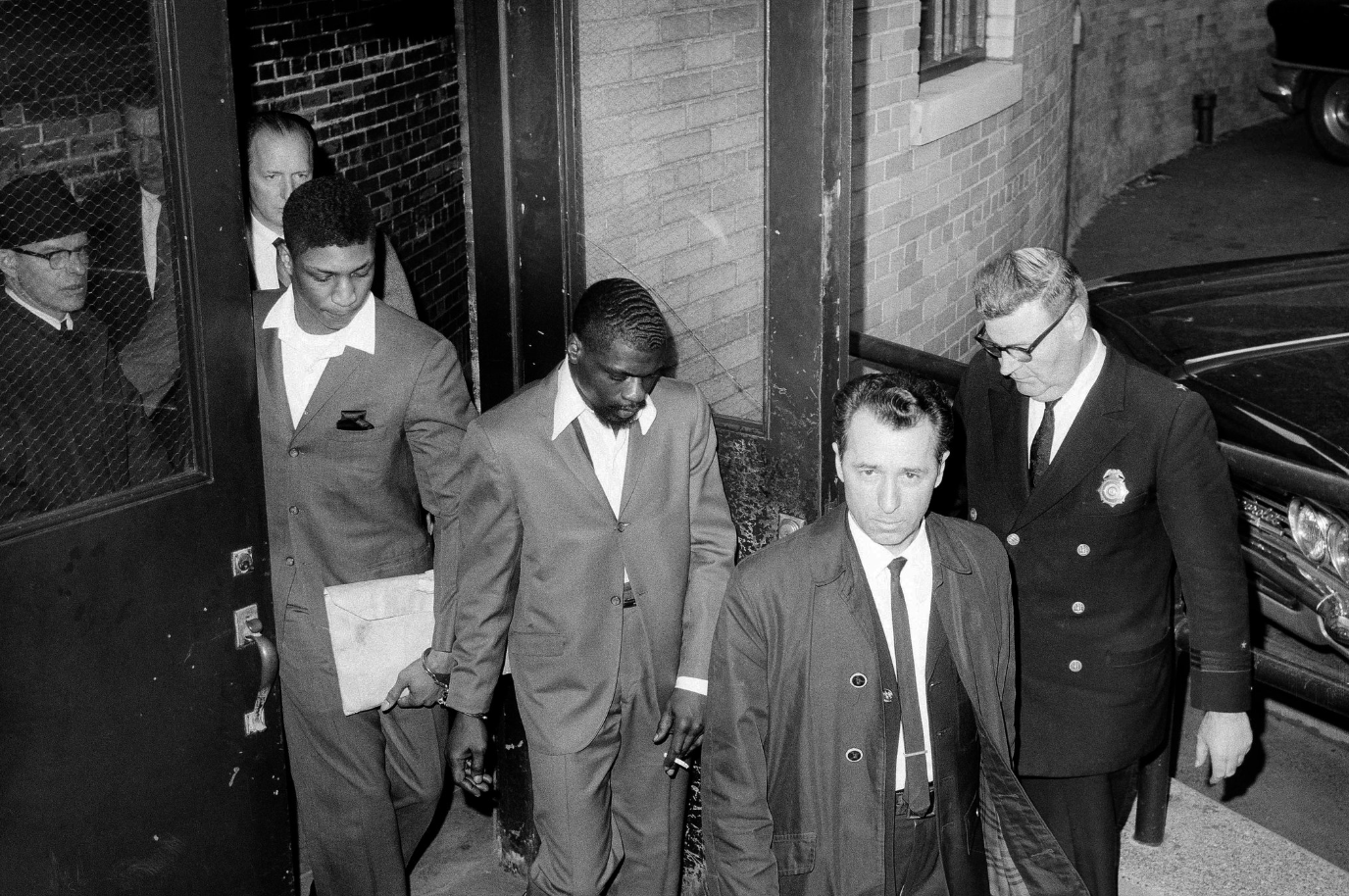
Rubin Carter (center) garnered global attention during the campaign to clear his murder charges. He and co-defendant John Artis (rear) depart the Passaic County Courthouse in Paterson, New Jersey, in 1967, after being convicted of first-degree murder.
 |
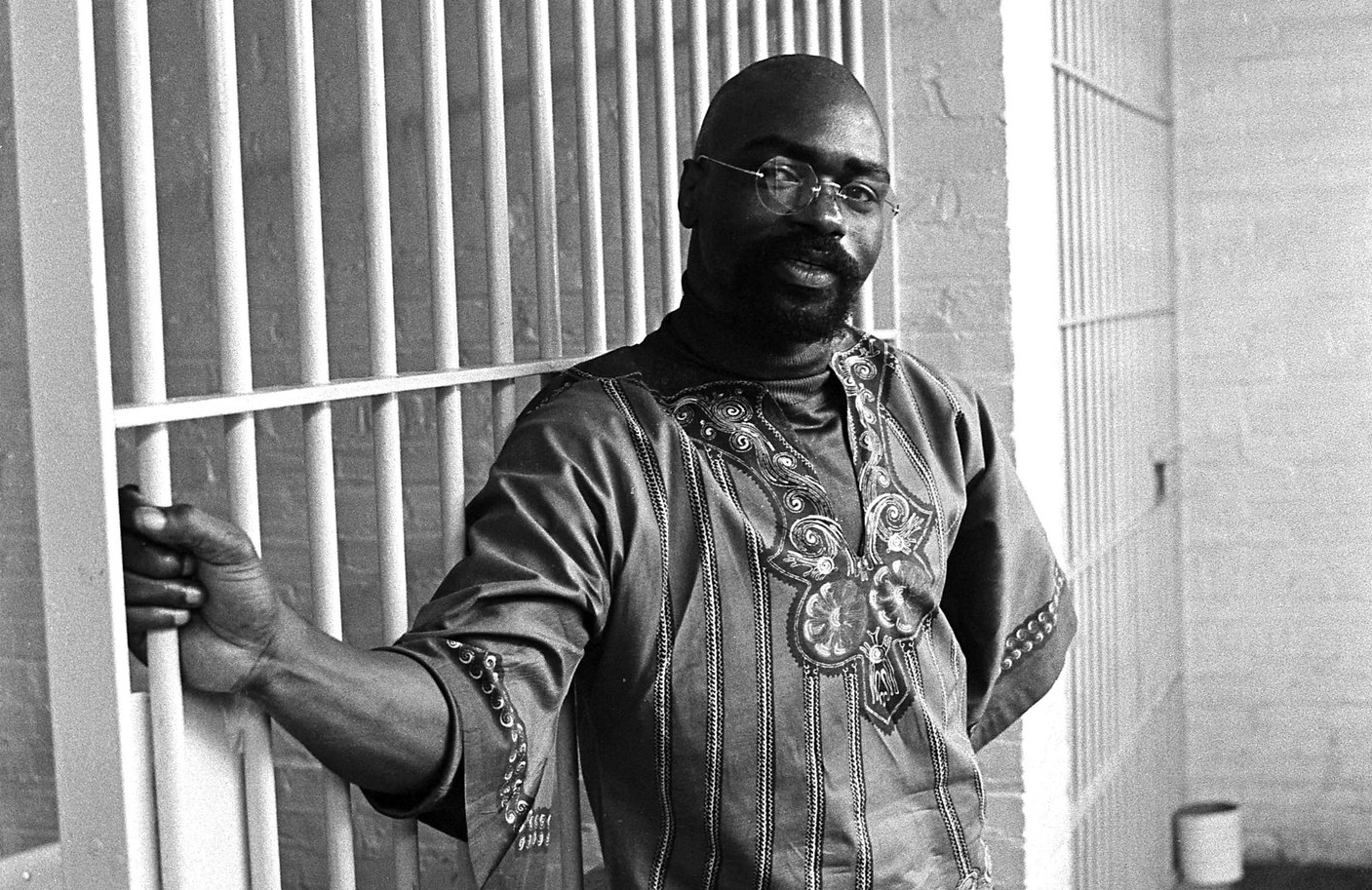
Rubin Carter at the "personal contact" area of the New Jersey State Prison in 1974. Amnesty International described him as a "prisoner of conscience" and asserted his human rights had been violated.
 |
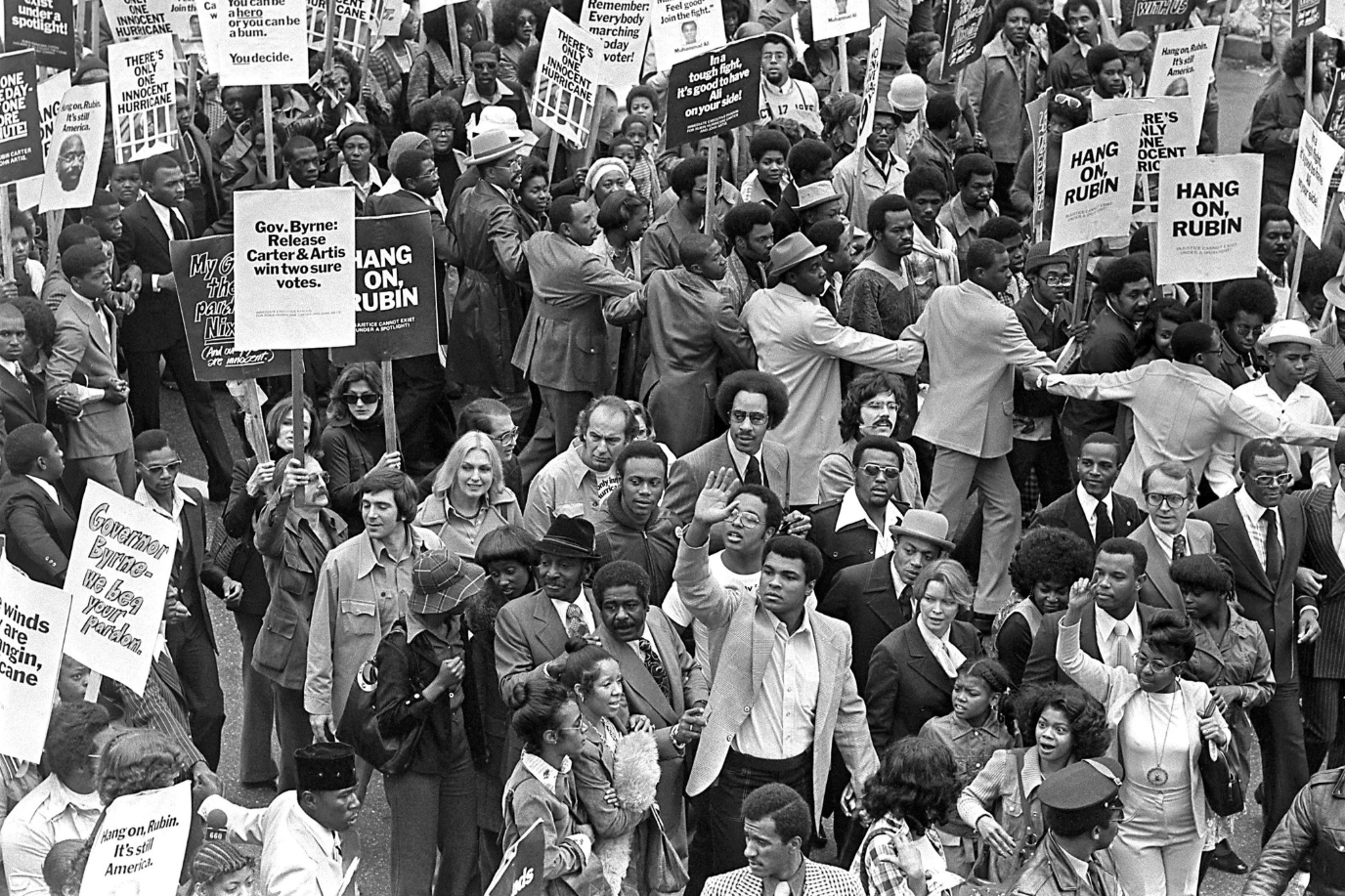
Boxing legend Muhammad Ali led a protest march in 1975 calling for the freedom of Carter and John Artis.
 |
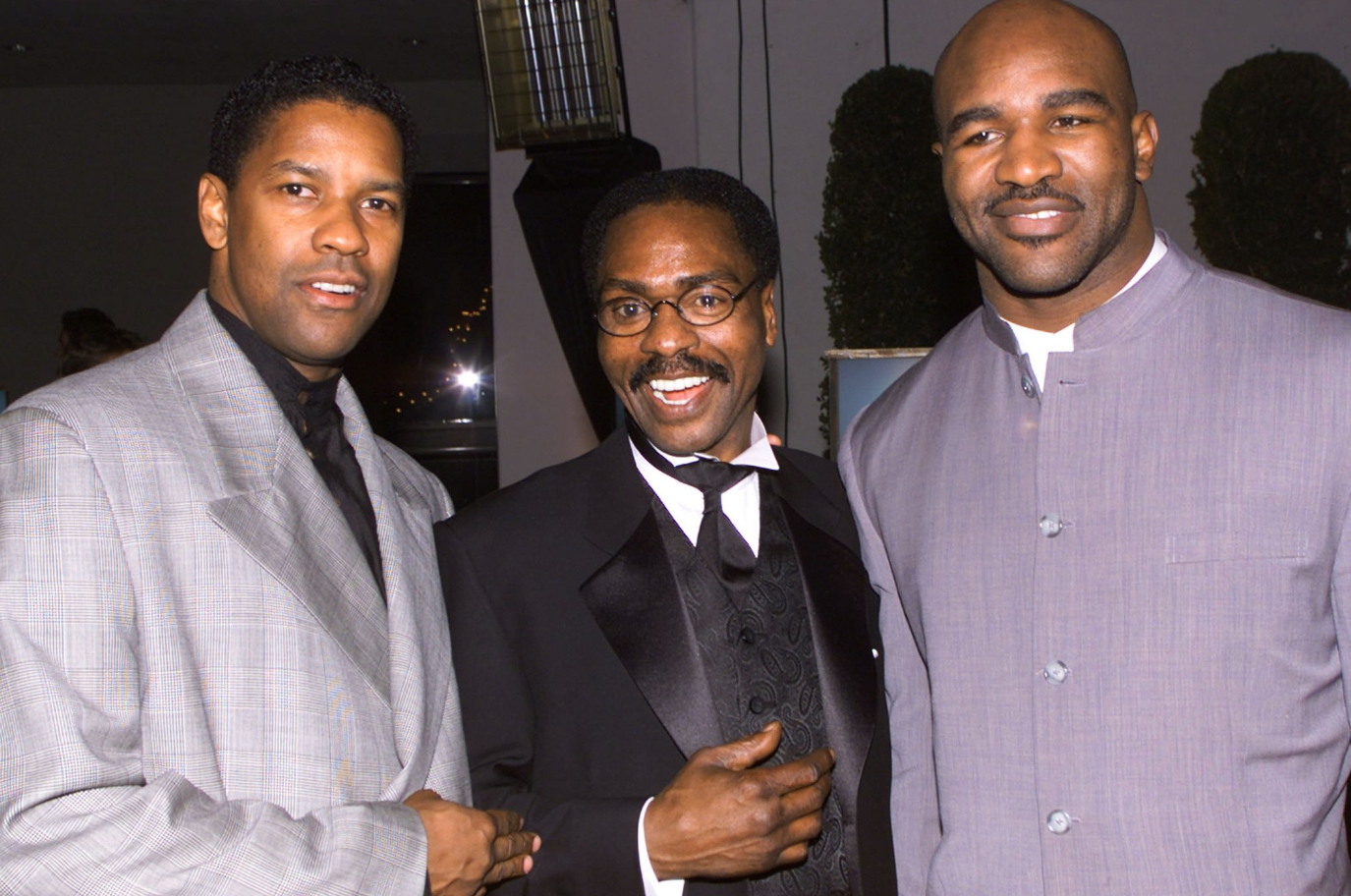
Rubin Carter (center), with American actor Denzel Washington (left) and heavyweight boxing legend Evander Holyfield at the premiere of "The Hurricane" in 1999. Washington received an Oscar nomination for his role in the film depicting Carter's struggles.
While imprisoned, Carter wrote his memoir, "The 16th Round." This memoir reached Bob Dylan, who was already a prominent human rights activist. Dylan transformed Carter's story into the song "Hurricane," an 8-minute and 33-second track with rapid, direct lyrics, like punches in a boxing ring. Dylan's music, along with the Rolling Thunder Revue band and Scarlet Rivera's sharp violin, created a driving, almost cinematic rhythm, guiding listeners through each scene of the crime, trial, and prison life.
Although some legal details required revision, the track still became the opening for the 1976 album, Desire. The song's closing lines: "Now the criminals in their suits and ties are free to sip martinis as the sun begins to rise. But Rubin sits like Buddha in a ten-foot cell. An innocent man in a living hell," emphasize the injustice Carter endured. Some criticized Dylan for exaggerating Carter's boxing career, but the fact that a life sentence was based on ambiguous evidence and racial prejudice cannot be denied.
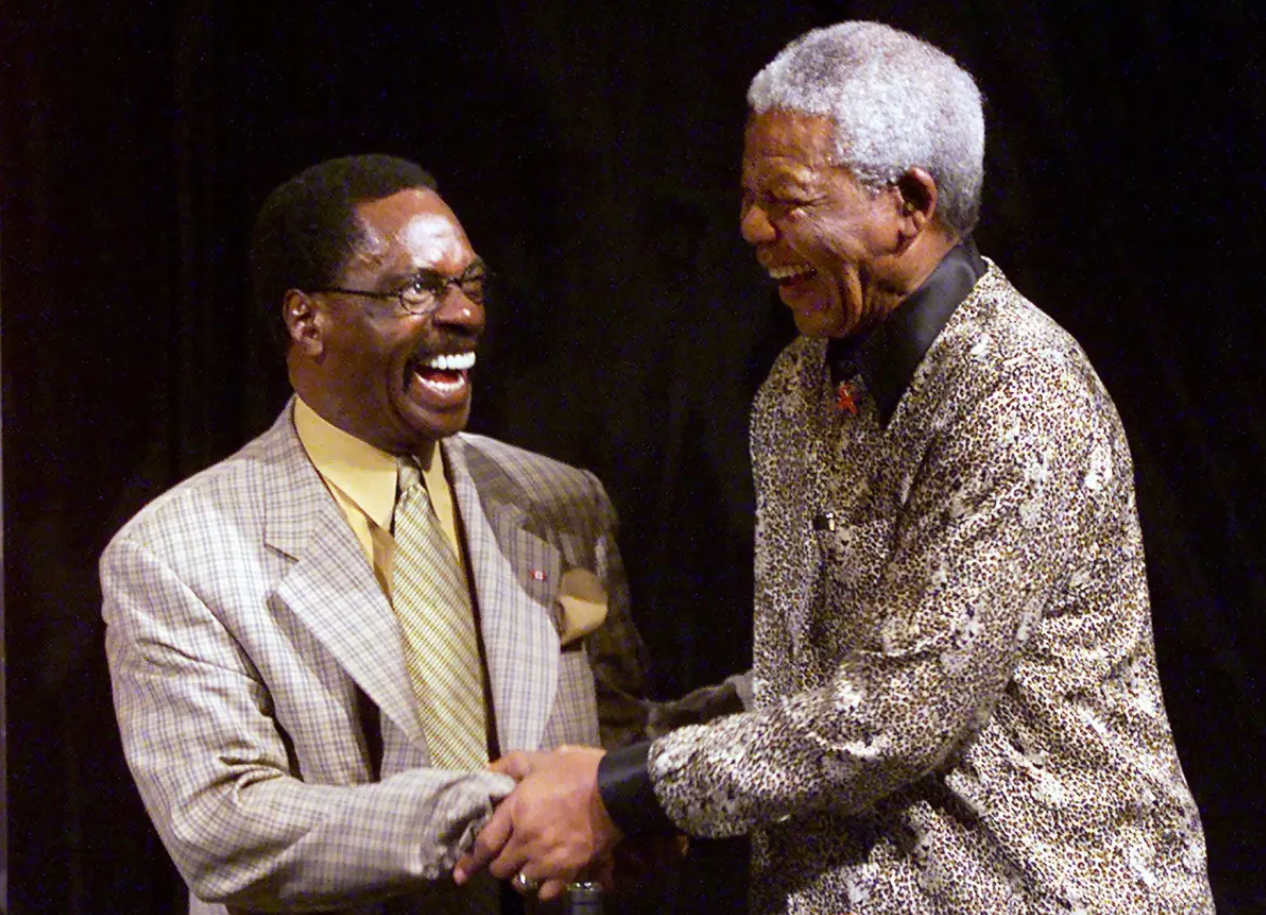 |
In a September 2000 archive photo, Rubin "Hurricane" Carter (left) shakes hands with activist and Nobel Peace Prize laureate Nelson Mandela during the first World Reconciliation Day celebration in Melbourne, Australia. Anh: AFP
Ultimately, after many years of legal struggle, their convictions were overturned in 1985 due to prosecutorial misconduct and questionable witnesses. Prosecutors appealed to the US Supreme Court, but after the appeal failed, they declined to retry the case, paving the way for the exoneration of Carter and Artis. Carter moved to Canada and passed away in 2014 after 19 years of wrongful imprisonment. Artis had been released earlier, in 1981.
"Hurricane" is more than just music or a boxing song. It is literature, art, and a symbol of social struggle. The Dylan-Carter story reminds us that when someone dares to tell a story of justice, music and sports can change societal perceptions. Although racial discrimination still exists, progressive individuals continue to seek ways to overcome injustice.
Bob Dylan's song "Hurricane."
Hong Duy (according to Marca)