The Video Assistant Referee (VAR) system in the Premier League accumulates 1,126 minutes of decision-making each season, equivalent to nearly 12 full matches. This reflects a growing level of disruption that frustrates fans. The total waiting time also accounts for almost one-third of the 38 matches each team plays in England's top football league.
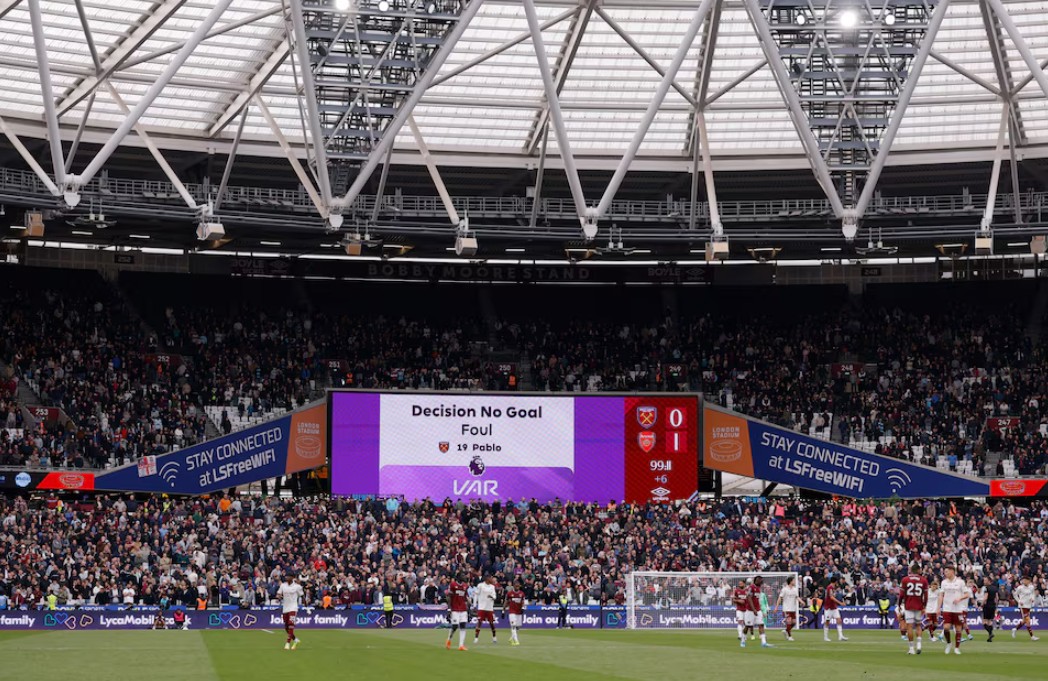 |
A large screen displays the disallowed goal by striker Callum Wilson during West Ham's 0-1 loss to Arsenal in Premier League matchweek 36 at London Stadium, England on 10/5. Photo: Reuters |
Data from 2017-2025 indicates that the Premier League experiences more VAR-induced delays than the average of other major European leagues. La Liga ranks second with 1,086 minutes of disruption, followed by Serie A with 823 minutes, and the Bundesliga with 604 minutes.
VAR has recently drawn criticism following a series of controversial errors. While a VAR check averages 58,3 seconds, a survey of 1,600 football fans revealed that 23% believe the actual time often exceeds 90 seconds.
At the club level, Arsenal is considered the most affected team by VAR in Europe, with 78 interventions and a total of 80 minutes of disruption since the technology's implementation. West Ham follows with 68 incidents, and Brighton with 60 incidents. Notably, 7 of the 10 most VAR-affected clubs in Europe are from the Premier League.
A survey conducted by OnePoll also found that 36% of fans feel VAR makes the football viewing experience less engaging. Additionally, 18% reported that VAR decisions have caused arguments with friends or family, and 37% believe the technology slows down the game too much.
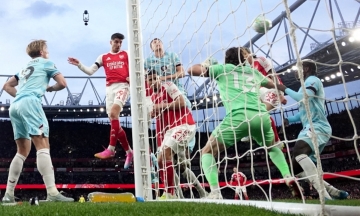
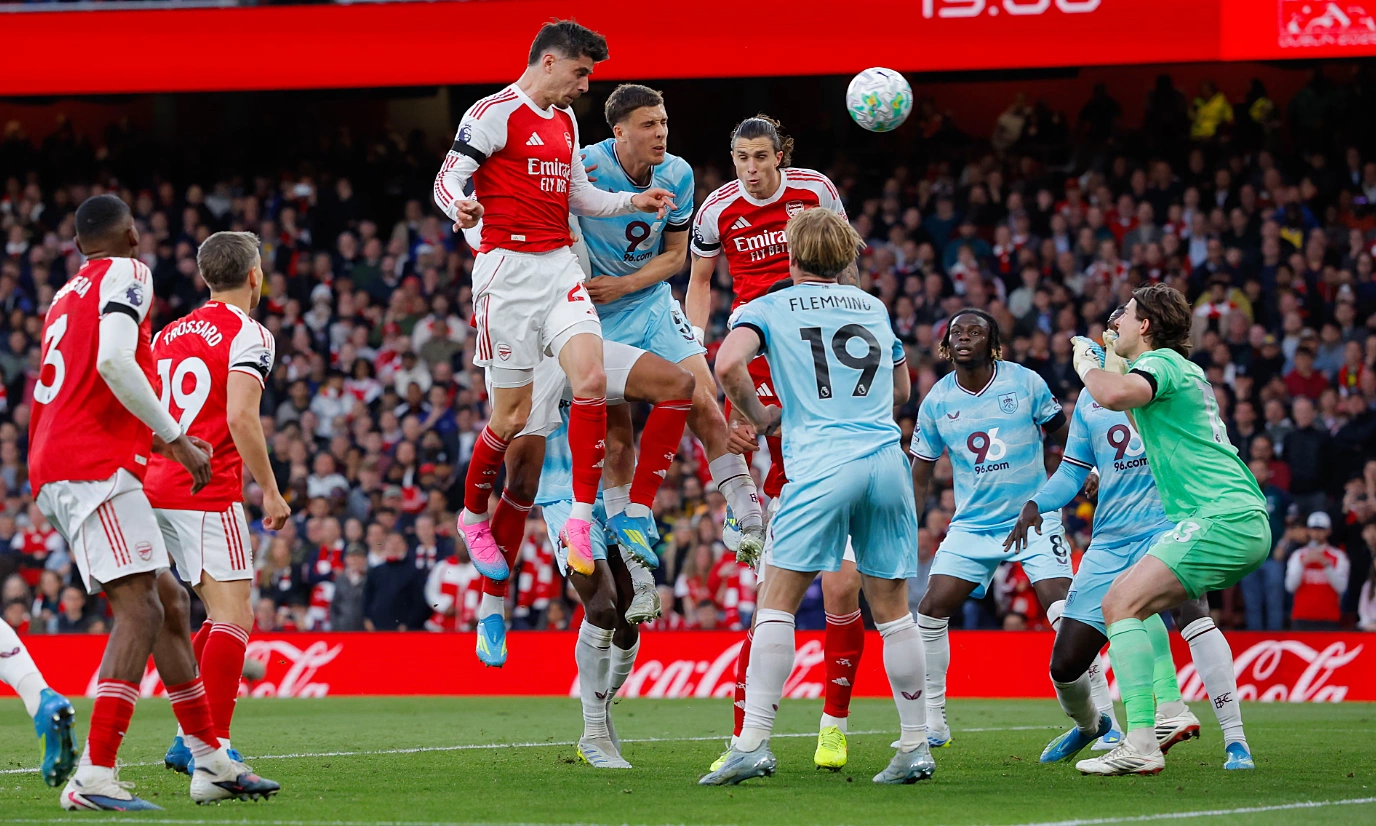
Despite experiencing the most disruptions in Europe, VAR continues to spark controversy in the Premier League. Recent incidents include Kai Havertz avoiding a red card in Arsenal's 1-0 win against Burnley, and West Ham having an equalizer disallowed in their 0-1 defeat.
 |
Sean Dyche introduces "VAR Spa" – a mobile mental wellness model designed to help fans stay calm during VAR waits. Photo: PinPep |
In response to fan reactions, the candy brand Snickers collaborated with Sean Dyche, former manager of Nottingham Forest, Everton, and Burnley, to launch "VAR Spa". This mobile mental wellness model aims to help spectators remain calm during VAR delays.
In a promotional film, Dyche appears in various everyday settings, such as a family living room, a laundromat, or a coffee shop, before inviting fans into a "stress-relief" vehicle designed for those losing patience with VAR.
Dyche stated, "I’ve worked in football long enough to know that a prolonged VAR situation can test anyone's patience. The game stops, everyone starts overthinking, hunger creeps in, and then a decision that takes only a few seconds feels like it drags on for an entire afternoon."
Delia Francoise Lendais-Metral, a Snickers representative, added, "Every football fan understands the feeling when VAR seems to last forever. Patience dwindles, tension rises, and hunger makes everything worse. We cannot make VAR faster, but we can help fans feel more comfortable while waiting."
| VAR (video assistant referee) is an assistant referee in football, tasked with reviewing incidents via video footage and providing advice based on evaluation. VAR support comes from the AVAR (assistant video assistant referee) team, comprising referees working in the video operation room and around the pitch. Typically, there are three AVARs: AVAR1, AVAR2 – sometimes referred to as supporting VAR assistant – and AVAR3. Each is responsible for monitoring different aspects of the match and communicating with the VAR about situations that may require review. Specifically, AVAR1 monitors the main camera angles and flags obvious errors on the field. AVAR2 works in the offside review area, assisting the VAR with offside situations and detecting potential missed offsides. AVAR3 oversees television signals and facilitates communication between AVAR2 and the VAR. In addition to the VAR and AVARs, there are three replay technicians responsible for selecting the most suitable camera angles to support the video referee team. After trials in several major tournaments, VAR was officially incorporated into the Laws of the Game by the International Football Association Board (IFAB) on 3/3/2018. VAR operates under the philosophy of "minimum intervention, maximum efficiency," aiming to correct "clear errors" or "serious missed incidents" during a match. |
Hong Duy (according to The Sun)