Following positive feedback on the rule prohibiting goalkeepers from holding the ball for more than 8 seconds in the 2025-2026 laws of the game, another important measure is expected to be approved at IFAB's annual meeting on 28/2 in Wales. This regulation would require players receiving medical attention on the field due to injury to leave the pitch for one minute. The rule aims to eliminate disruptions to the pace of the match and stop players from feigning injury to waste time.
Currently, the laws of the game do not specify how long an injured player must remain off the field. Leagues are establishing their own standards; for example, the Premier League has applied a 30-second rule since the 2023-2024 season.
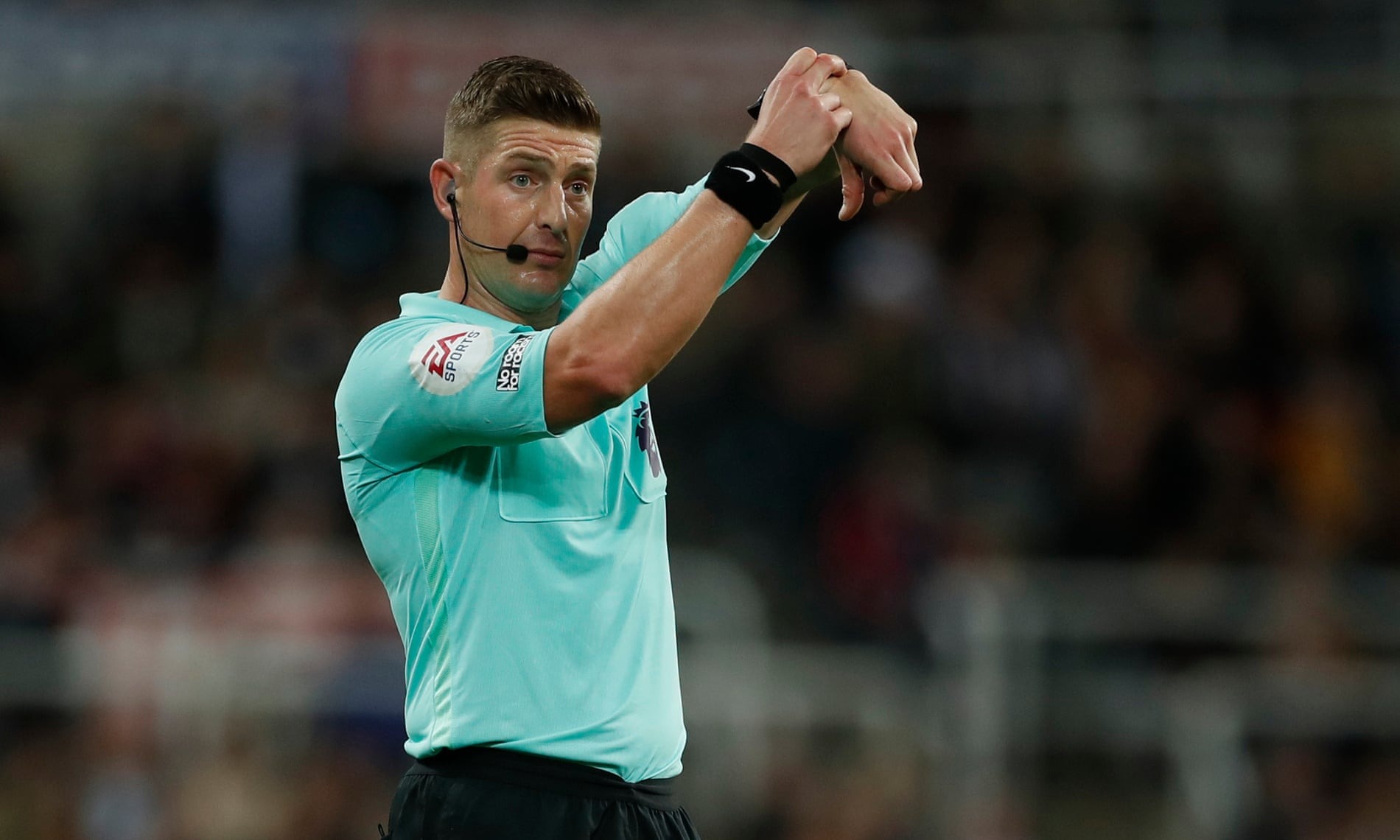 |
If the new rule is approved on 28/2, referees will require players to leave the field for one minute for medical attention. Photo: Reuters
FIFA also conducted its own trial at the Arab Cup in 12/2026, requiring players to leave the field for two minutes. Pierluigi Collina, chairman of FIFA's Referees Committee, stated that the two-minute rule aimed to minimize wasted time and improve match continuity. This approach is similar to that of Major League Soccer (MLS), which mandates that if a player remains on the ground for more than 15 seconds and requires medical staff assistance, that player must leave the field.
At IFAB's meeting in 1/2026, all parties agreed on the necessity of establishing a mandatory waiting period. However, due to differing opinions and strong opposition to the two-minute duration, a one-minute period was chosen as the final option.
Additionally, IFAB plans to implement a countdown timer for throw-ins and goal kicks. Referees will start the clock as soon as a player shows signs of delaying the restart of play. To date, the only measure already in effect is the 8-second limit for goalkeepers when the ball is in play, designed to maintain match continuity.
Another proposal involves imposing a 10-second limit for players to leave the field during substitutions, a detail previously without time constraints.
Improved var protocol
Regarding the var protocol, IFAB's annual meeting recommended that video assistant referee interventions remain limited to 4 game-changing situations: goals, penalties, direct red cards, and mistaken identity. However, these interventions must not excessively disrupt the pace or slow down the match.
At the most recent meeting, IFAB also proposed that when objective evidence is available, the video assistant referee would be allowed to review indirect red cards—meaning a second yellow card—resulting from a mistaken decision, as well as cases of mistaken player identity during sanctions. Furthermore, leagues may be permitted to allow video assistant referee teams to review corner kick situations if the on-field referee's decision contains a clear error.
For these IFAB proposals to become official, a three-quarters majority vote is required, meaning 6 out of 8 total votes. The voting structure includes 4 votes for the United Kingdom football associations (England, Scotland, Wales, and Northern Ireland) and 4 votes for FIFA (representing all other federations worldwide).
FIFA cannot unilaterally change the laws of the game because its 4 votes do not meet the majority threshold. They require the support of at least two of the United Kingdom's football associations. The final decision on whether to approve some or all of these proposals will be made on 28/2 in Wales.
Hoang Thong compiled