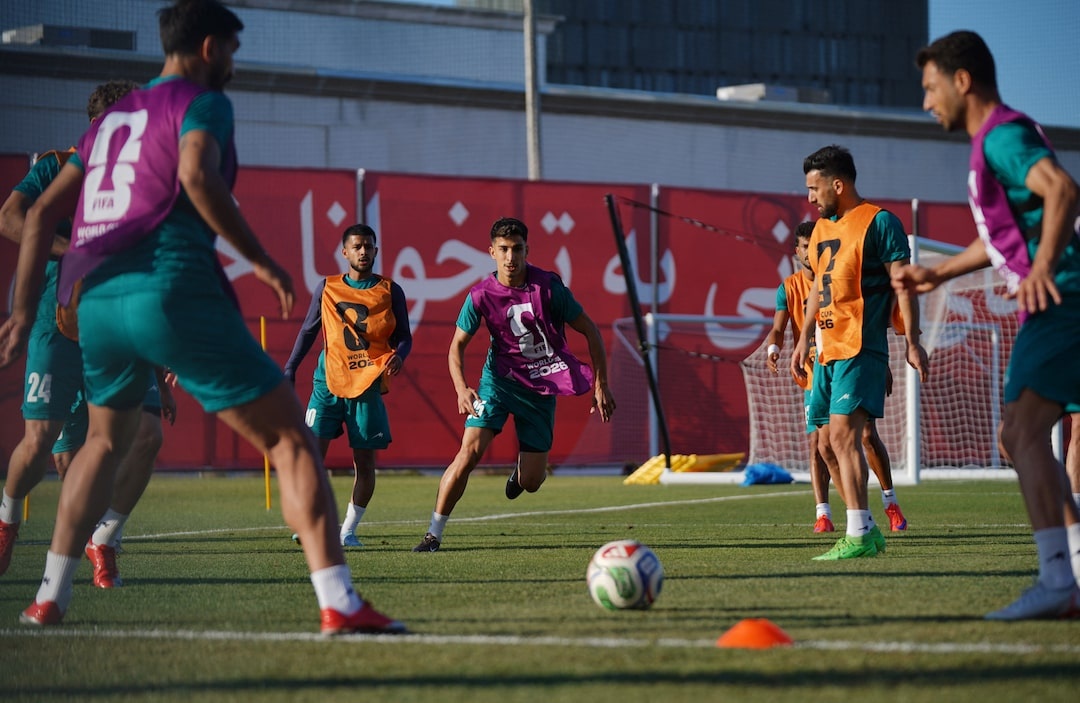
Netherlands captain Virgil van Dijk has publicly criticized FIFA's mandatory water breaks at the 2026 World Cup, suggesting they serve commercial interests rather than solely player welfare. He expressed dissatisfaction with the frequent interruptions, which he believes disrupt game flow and viewer experience.
The new rule mandates referees to stop matches at the 22nd minute of each half for a three-minute water break. This will be applied to all 104 matches regardless of weather conditions or temperature. FIFA states this measure is part of a policy to protect player health and ensure welfare throughout the tournament. It is a "simplified and streamlined version" of hydration breaks previously implemented in some tournaments, including the FIFA Club World Cup 2025, introduced after consulting with coaches and broadcasters.
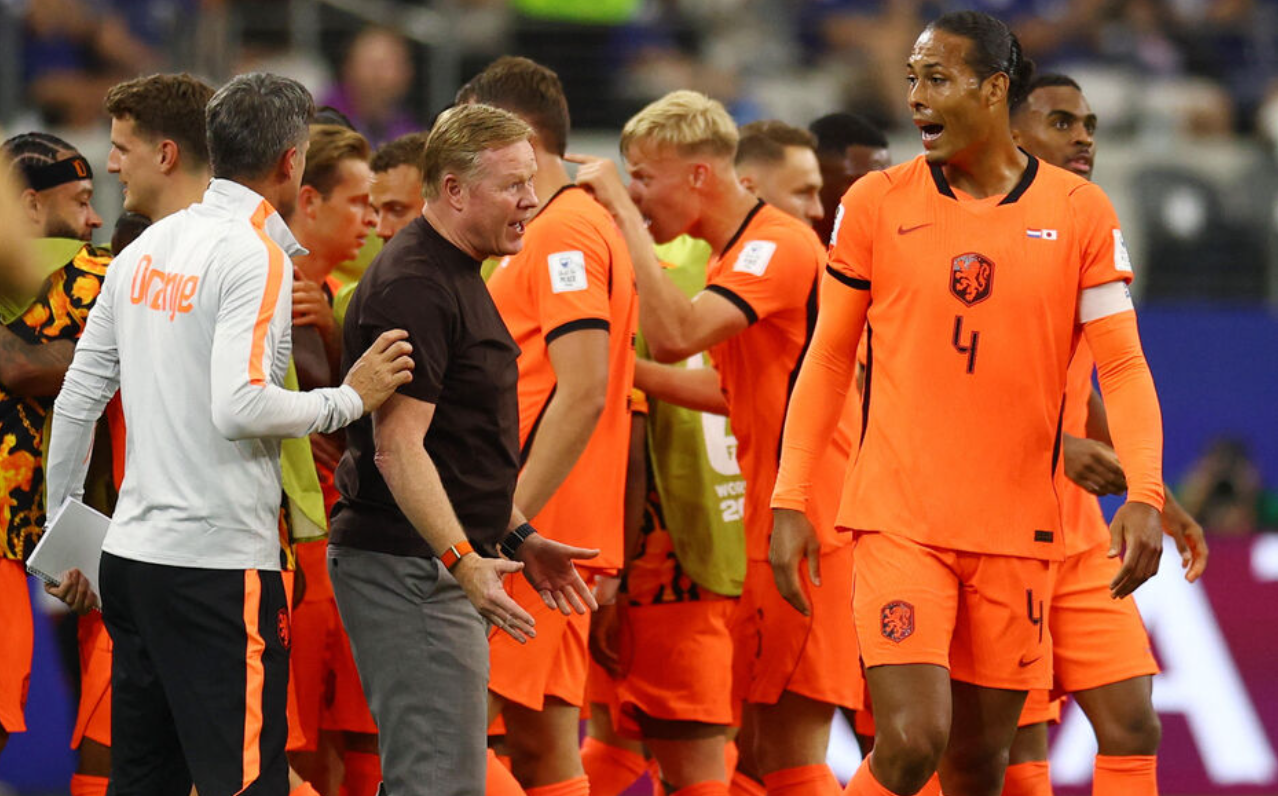 |
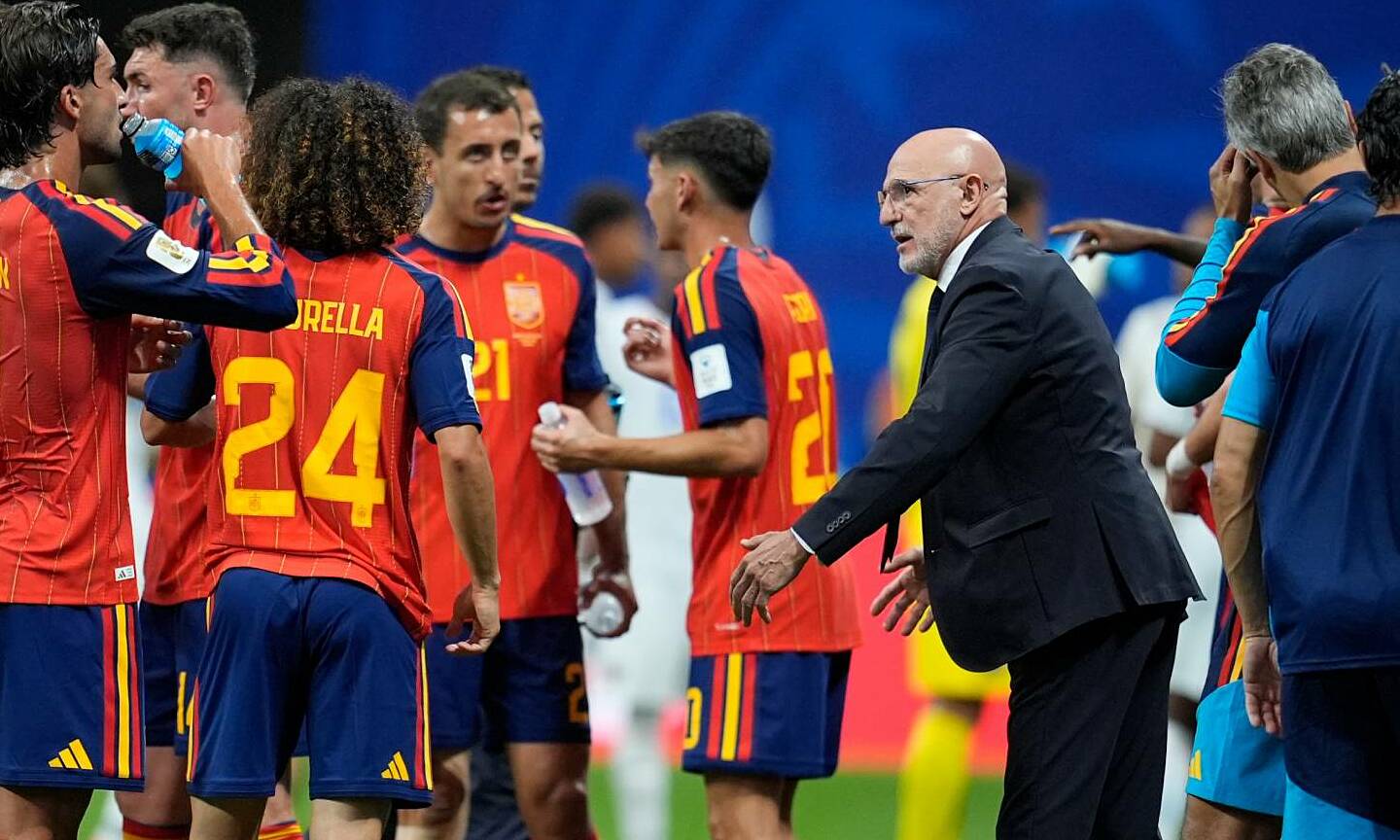
Virgil van Dijk (right) speaks with coach Ronald Koeman during a water break in the match where the Netherlands drew Japan 2-2 in their first Group F game at the 2026 World Cup in Dallas, US, 15/6. Photo: Reuters
However, the regulation has sparked debate, with some suggesting a commercial motive. In March, FIFA permitted broadcasters to insert advertisements during these breaks, leading many to question the initiative's true purpose.
Following the Netherlands' 14/6 draw with Japan, Van Dijk voiced his concerns. "I have watched almost all matches since the start of the tournament. Every time there is a water break, we switch to advertisements. I really do not like that," the 34-year-old center-back was quoted by German newspaper Bild on 16/6. He emphasized that constant interruptions negatively impact the game's quality and the viewer's enjoyment.
"It is also not good for neutral viewers watching on television," Van Dijk stated. He argued that while breaks might be acceptable in extreme heat, FIFA should not apply them uniformly to every match. "If the weather is truly too hot, then this solution can be discussed. But in my opinion, each match should be assessed based on specific conditions."
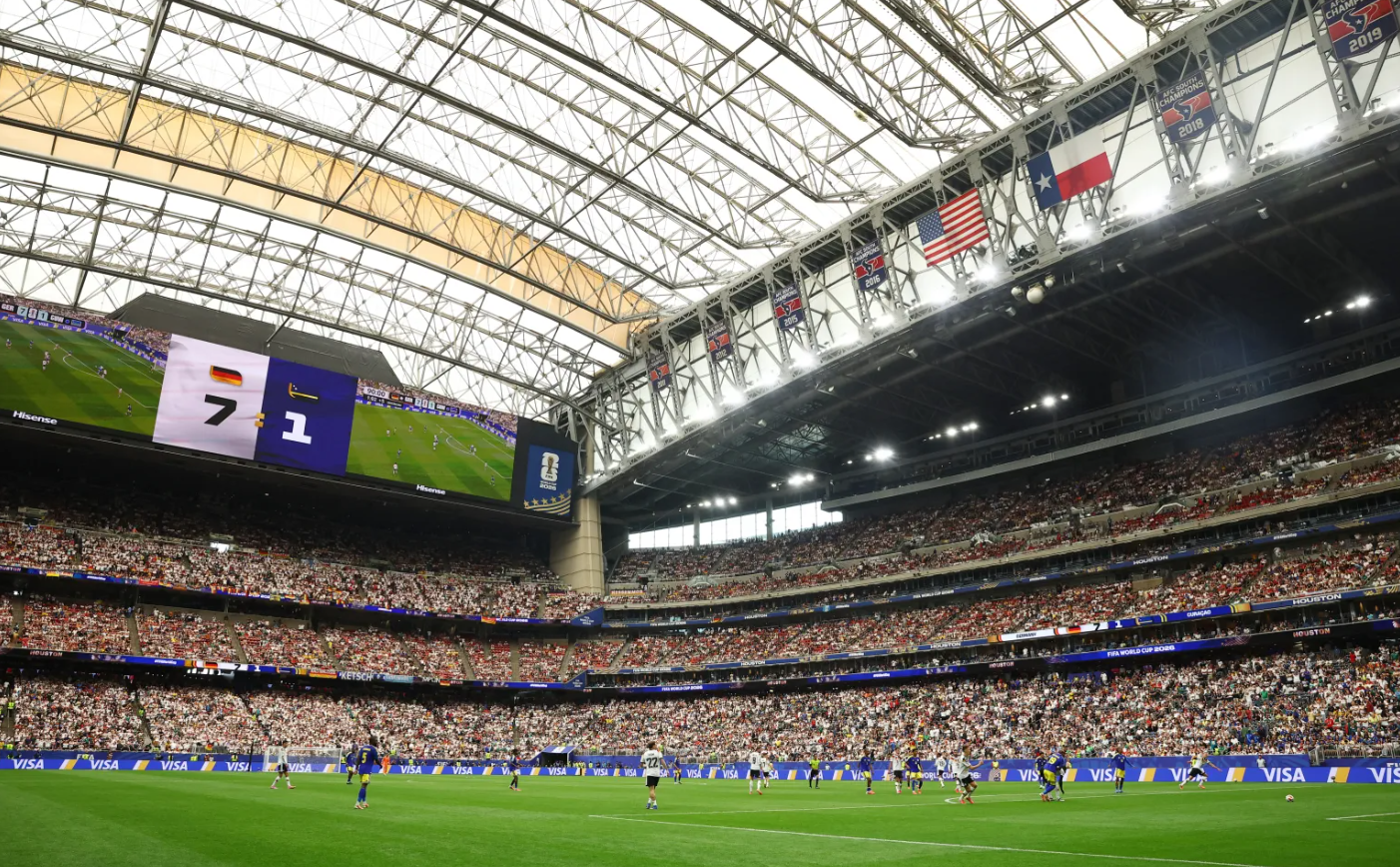 |
A large screen displays the score of the Germany versus Curacao group stage match at NRG Stadium, Houston, US, 14/6. Photo: Reuters
Conversely, some coaches have found tactical benefits in the new breaks. Germany coach Julian Nagelsmann acknowledged the three-minute pause allowed his team to adjust tactics after Curacao equalized in the first half of their 7-1 victory. "Curacao used a diamond formation in this match, and we adjusted our attacking approach before the water break," he explained, noting the rarity of facing such a formation. The 38-year-old coach also highlighted how the halftime break provides an opportunity for coaching staff to reinforce tactical adjustments. "That break was truly useful because we could re-emphasize what we had discussed on the tactics board," Nagelsmann said.
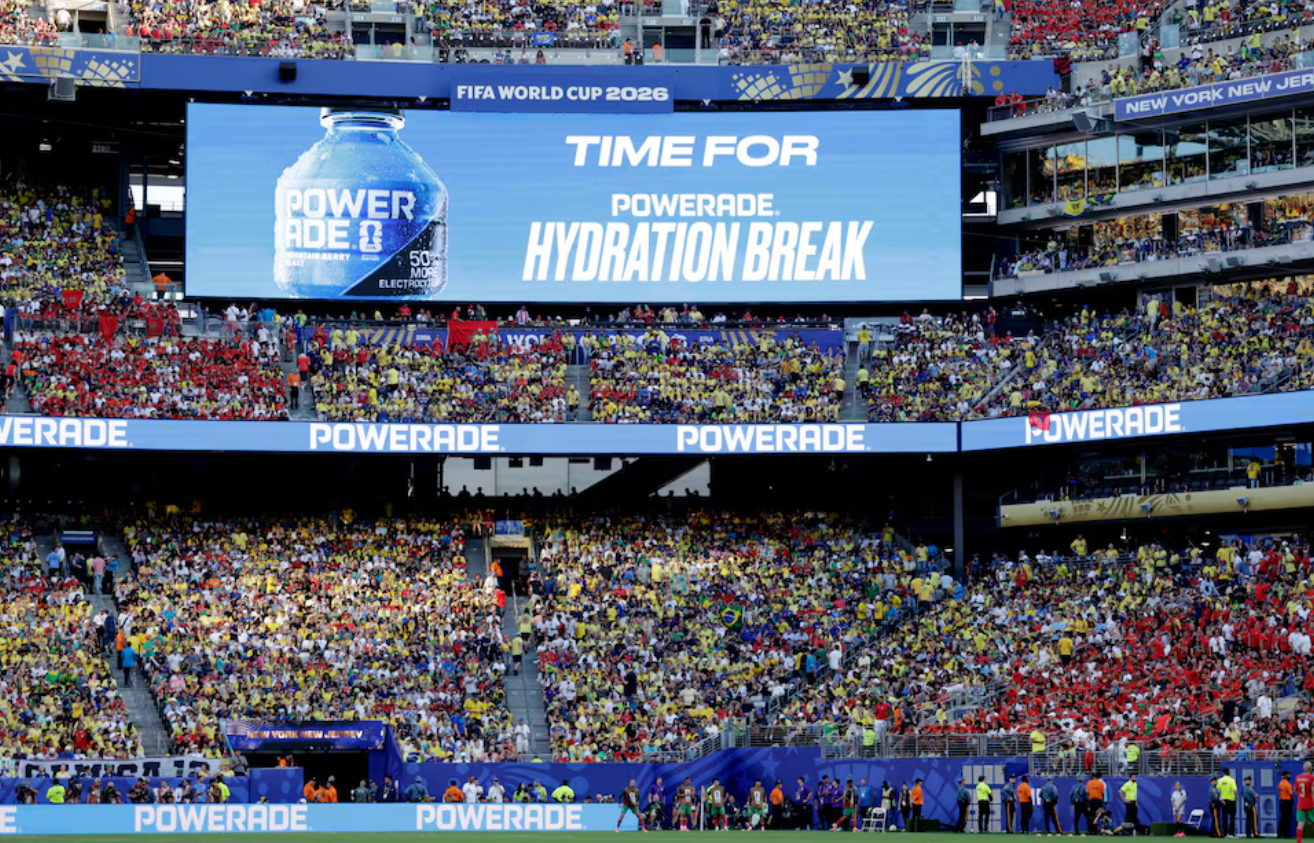 |
A large screen at the stadium displays content during a water break in the second half of the Brazil versus Morocco 1-1 draw in Group C of the 2026 World Cup, at New York/New Jersey Stadium in East Rutherford, New Jersey, US, 13/6. Photo: Reuters
England winger Bukayo Saka offered a more balanced perspective, suggesting the breaks' effectiveness depends on the game's specific context. "I think it depends on the situation. Obviously, if the team is playing well and maintaining momentum, you want the game to continue. But in some cases, especially when playing in extremely hot weather, these breaks can be useful," the 24-year-old stated, avoiding a strong stance. Belgium coach Rudi Garcia echoed this, viewing the breaks as valuable for tactical instruction. "To me, this is more a time for tactical instruction than a cooling break. If one is clever enough to utilize it, it can have a major impact on the game," he remarked.
The conflicting views from players and coaches highlight the multifaceted debate surrounding the water break rule. While concerns exist about disruptions to game rhythm and commercial exploitation, others see the breaks as beneficial for player protection and tactical opportunities. This year's World Cup is taking place in the US, Mexico, and Canada, where many host venues are expected to have harsh weather conditions. FIFA maintains the breaks are necessary to reduce player strain, and discussions around this regulation are likely to continue.
Hong Duy