 |
China's construction of the Moc Thoat hydroelectric power plant, the world's largest project of its kind, continues to face controversy. Nevertheless, engineering history shows that massive projects such as Brazil's Itaipu Dam, global high-speed rail systems, and sea-crossing bridges often reshape human transportation and energy infrastructure. The Telegraph, a 171-year-old British newspaper, has selected 10 engineering marvels worth visiting once in a lifetime.
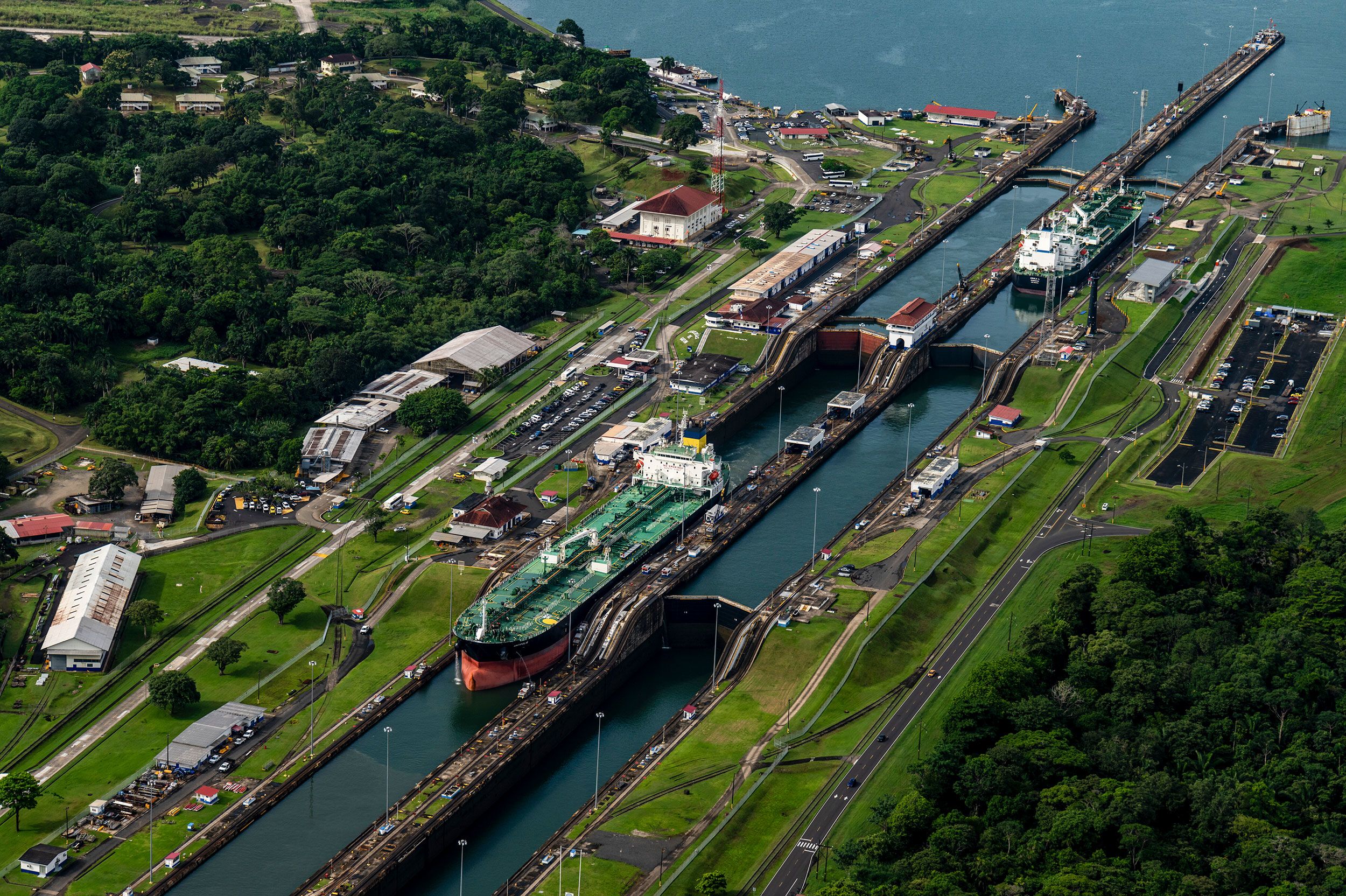
The Panama Canal, Panama
Exploring the Panama Canal is more fascinating than many imagine. Visitors can learn about the failures during its construction, the tropical diseases workers endured, and the project's immense scale, which required engineers to cut through mountains and connect numerous lakes.
This waterway is a vital link between the Atlantic and Pacific Oceans, allowing ships to avoid the dangerous and time-consuming journey around the South Pole. Thanks to its clever lock system, the canal enables giant container ships to transport goods quickly between the Americas, Asia, and Europe, becoming a driving force for international maritime trade. Photo: Visit Panama
 |
The Channel Tunnel, UK - France
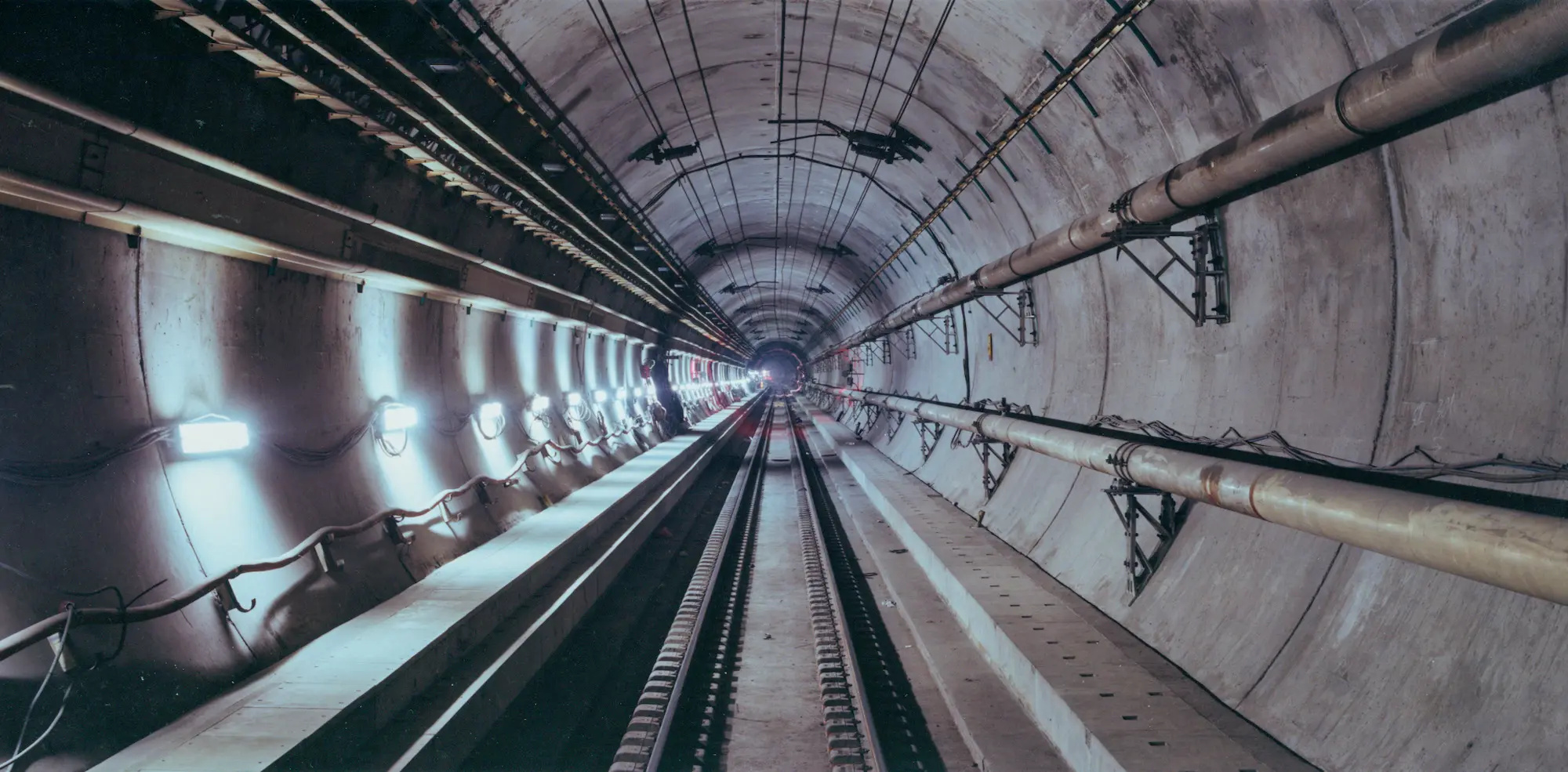
This is the world's longest undersea rail link, spanning 38 km and directly connecting the United Kingdom and continental Europe. Instead of relying on ferries or planes, the Eurostar high-speed train system and Le Shuttle vehicle transport trains allow passengers to travel across the border in just over two and a half hours, three times faster than before. Photo: Guardian
 |
The Akashi-Kaikyo Bridge, Japan
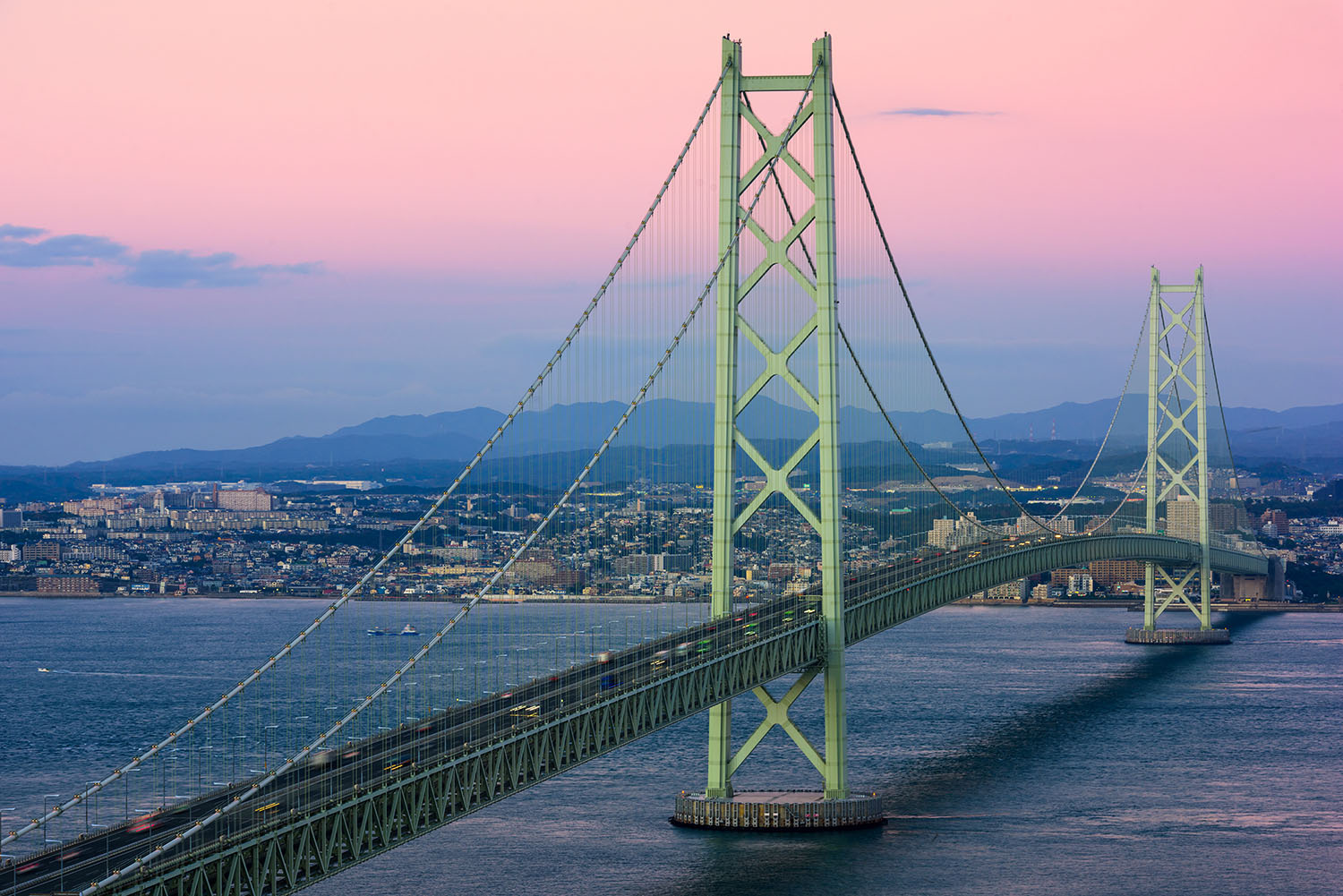
The ambition to connect Japan's main islands was a bold idea, requiring a system of tunnels and bridges to cross deep seas, complex terrain, and frequent earthquakes. The Japanese people celebrated when the Akashi-Kaikyo Bridge opened in 1998, spanning the strait between Honshu and Awaji Island, connecting Shikoku with Kobe and the rest of Japan's metropolitan area.
The project, completed after a decade, significantly impacted the country's economy. Before these super-bridge and tunnel systems, travel between these islands primarily depended on ferries, which was time-consuming and hazardous, especially during rough seas, storms, or earthquakes. Photo: Okaya
 |
The Millau Viaduct, France
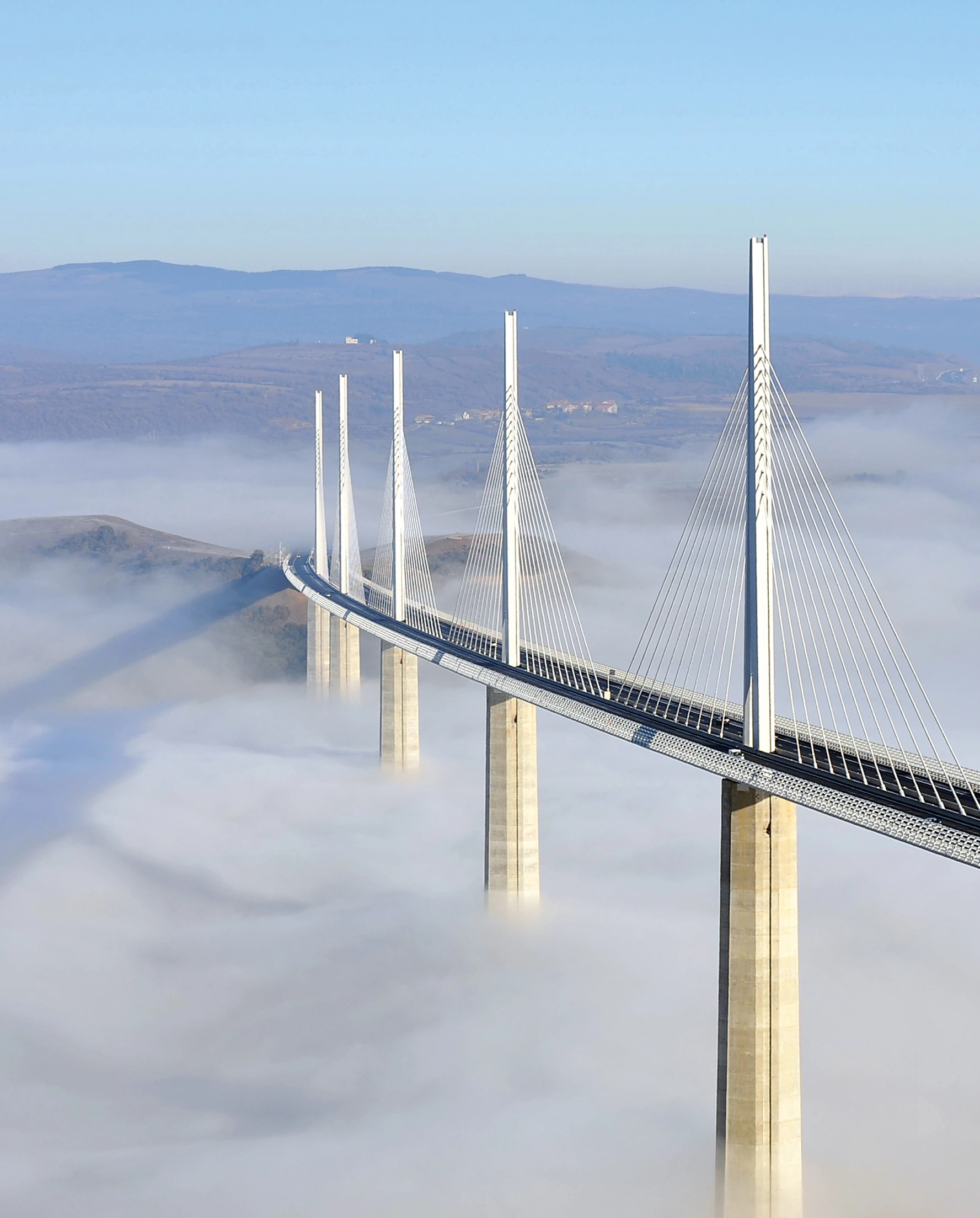
The Millau Viaduct holds the record as the world's tallest bridge, measured from the valley floor to the top of its mast (343 meters), which is taller than the Eiffel Tower (330 meters). The road deck itself sits 270 meters above the Tarn River below.
The structure opened in 2004 as part of the A75 motorway, designed by architect Norman Foster and engineer Michel Virlogeux. Due to the canyon's unique climate, the area frequently experiences strong winds. There are rest stops along the motorway where visitors can park and admire the bridge's peaks, often shrouded in clouds. Photo: Arquitecturaviva
 |
The Beijing - Shanghai High-Speed Railway, China
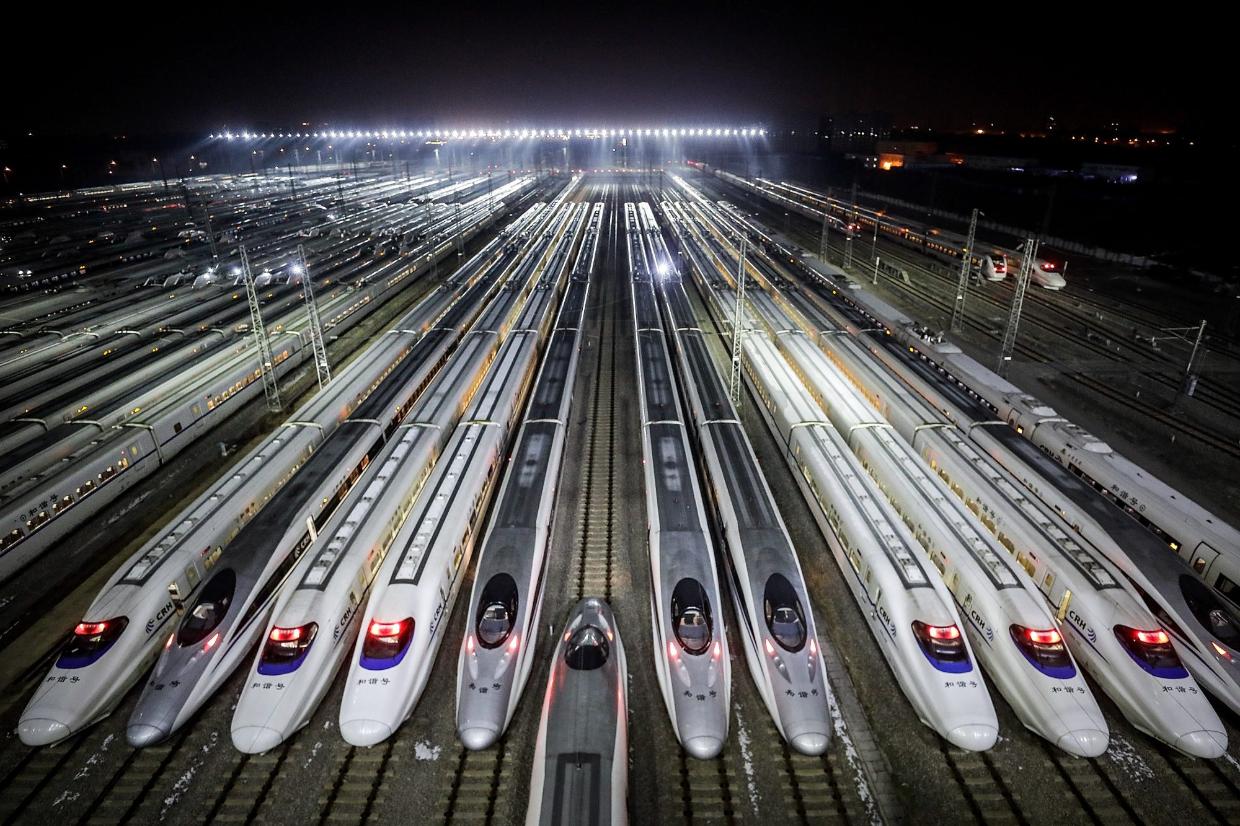
The high-speed railway line connecting Shanghai and Beijing spans over 1,280 km, making it the world's longest continuously built high-speed railway when it opened in 2011.
This route allows trains to traverse the Yangtze River Delta effortlessly in a journey lasting approximately four hours. Additionally, Shanghai also boasts a Maglev train line, which uses magnetic levitation to transport passengers from Pudong Airport to the city center in minutes. Photo: Stuff
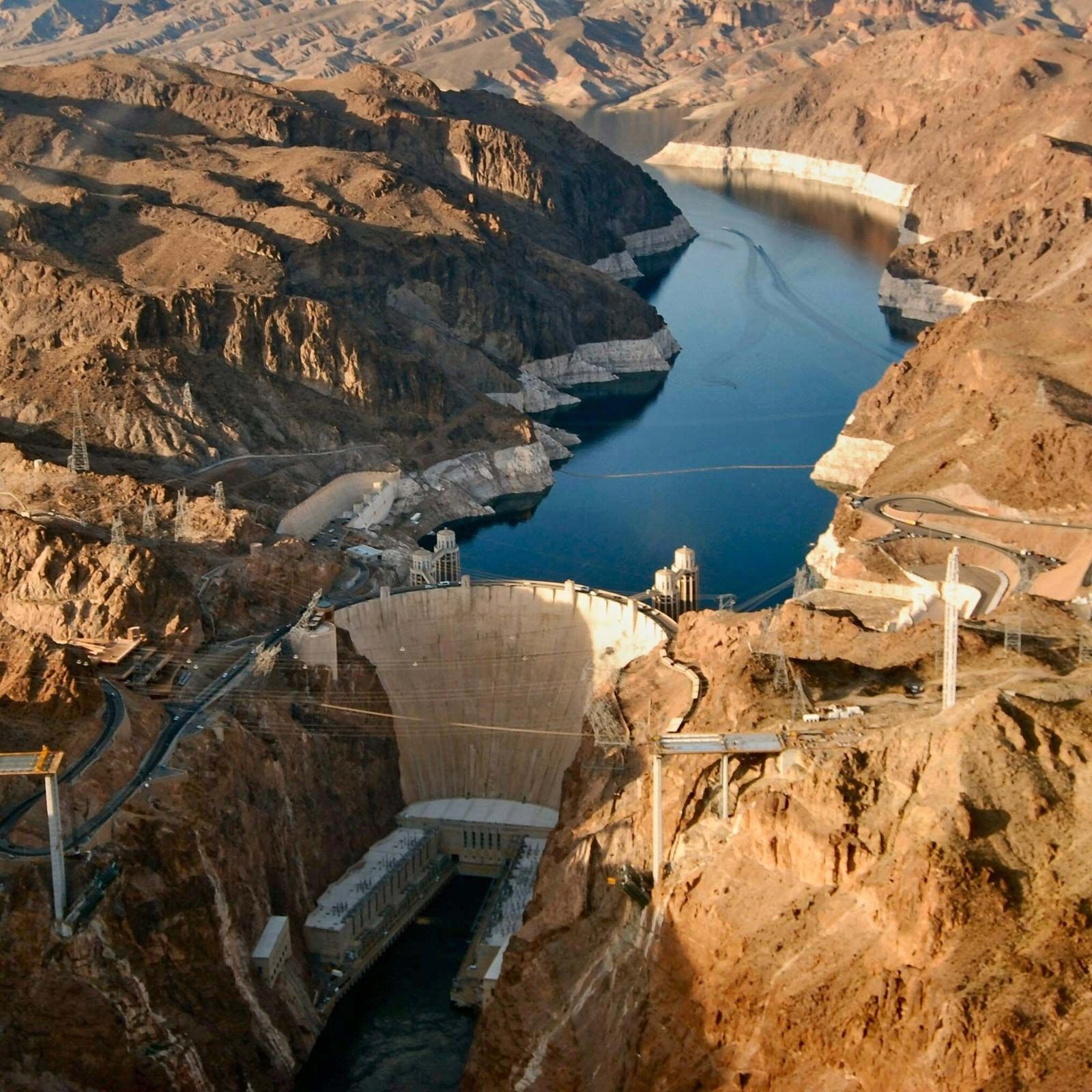 |
The Hoover Dam, US
While not as large as China's Three Gorges Dam, the Hoover Dam's Art Deco architecture offers a distinct visual experience. This structure, combined with Lake Mead behind it, provided water and electricity, helping Southern California and Las Vegas develop into major metropolises and offering employment during the Great Depression.
Located about 30 minutes' drive from Las Vegas, the dam features a new bypass bridge that allows visitors to easily park and walk to a scenic viewpoint for photos. Visitors can also stop by the visitor center and take tours inside the structure. Photo: Britannica
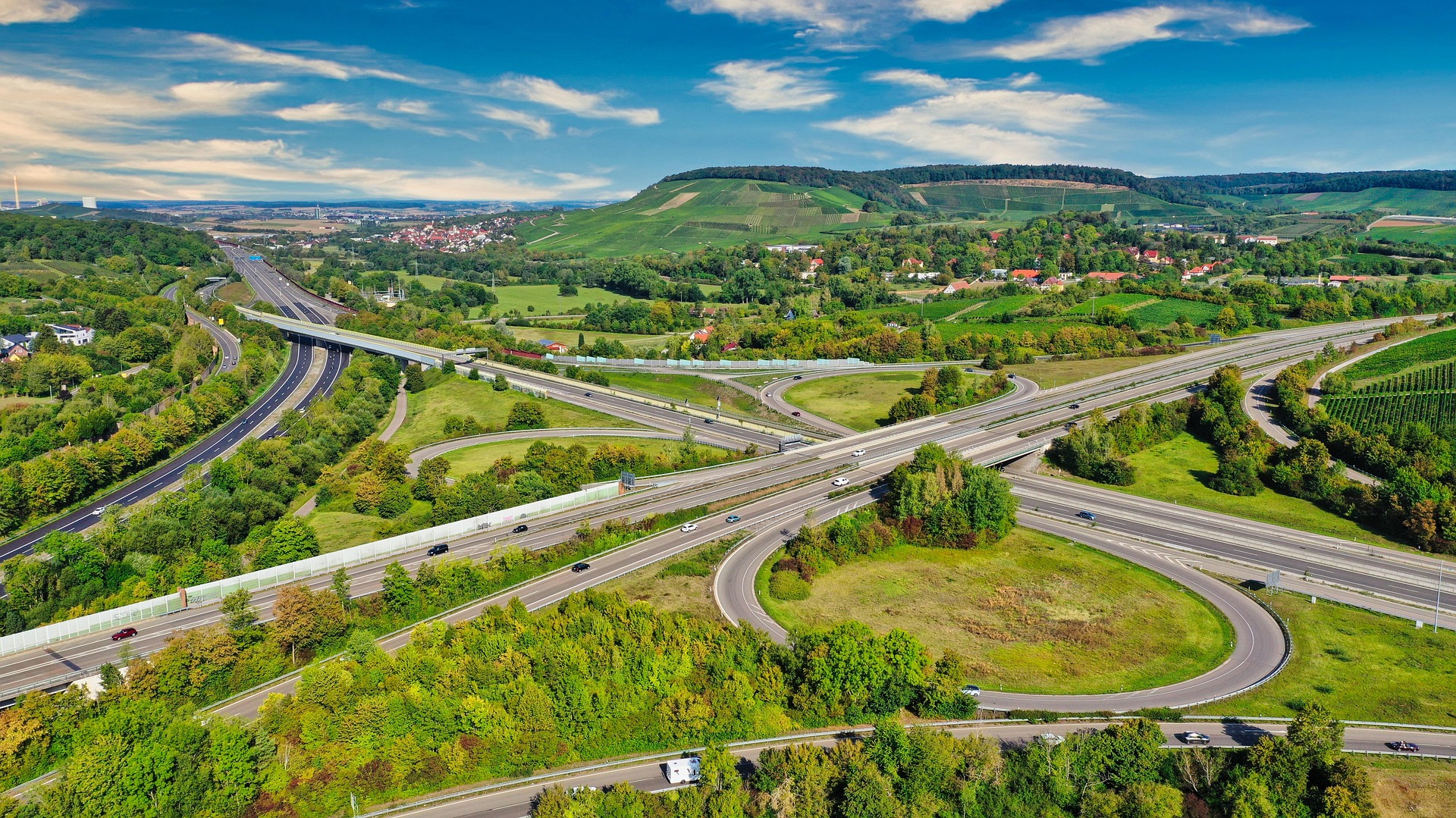 |
The Autobahn Highway System, Germany
Germany's Autobahn system is a renowned network of highways. Many sections of this highway have no speed limit and are toll-free for passenger cars. The Frankfurter Kreuz interchange is one of Europe's busiest and oldest junctions, while the A115 section through Grunewald in Berlin once served as the AVUS racetrack. Photo: Drivar
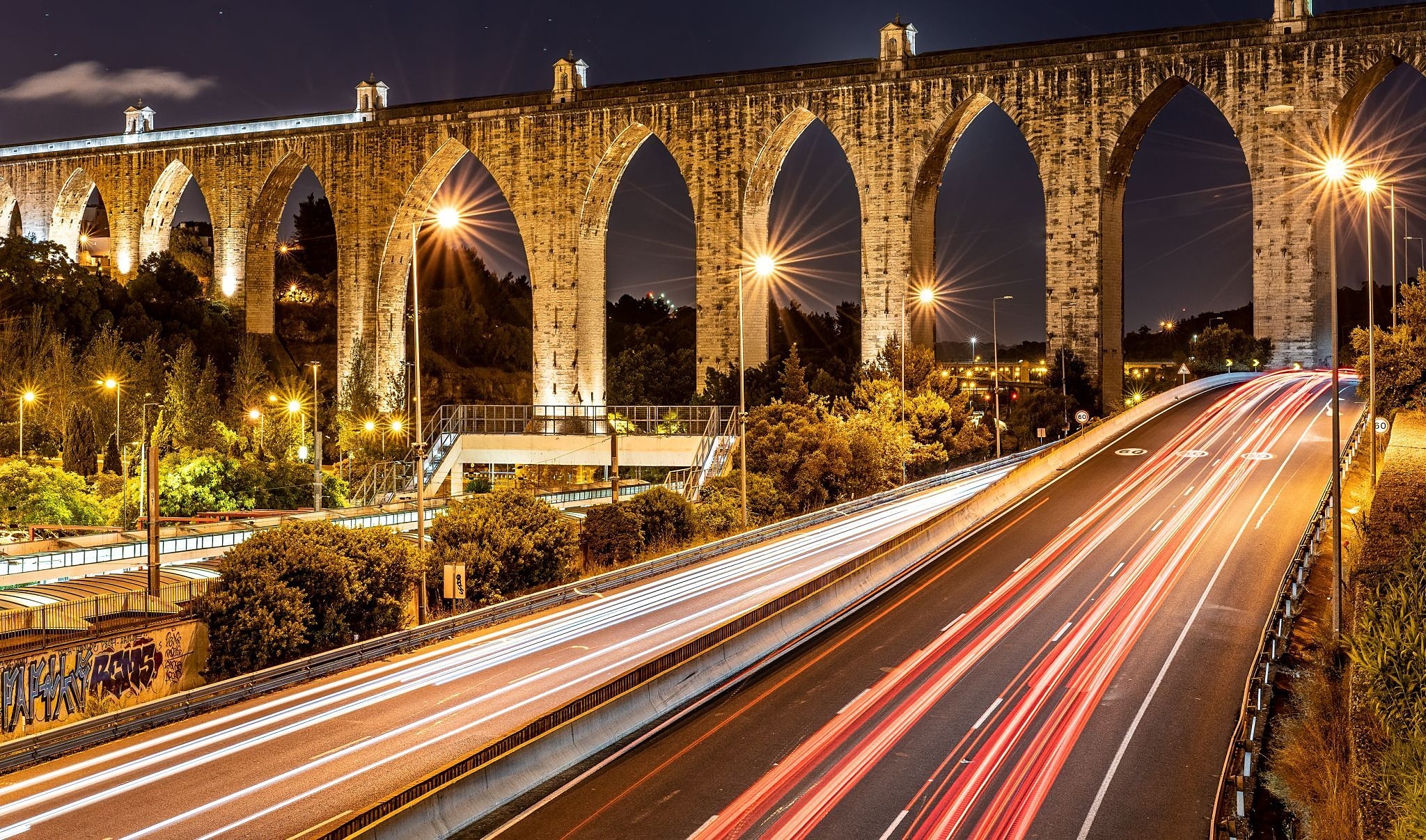 |
The Aguas Livres Aqueduct, Portugal
Constructed in the 18th century, this aqueduct was built to supply fresh water from surrounding mountains to the city of Lisbon. UNESCO also added the Aguas Livres Aqueduct to its Tentative List of World Heritage Sites in 2017.
The aqueduct's arches span the Alcantara valley at a height of 65 meters. Visitors can walk along certain sections of the bridge and visit its terminus at the Mae d'Agua das Amoreiras reservoir in the Amoreiras district, which often hosts light projection art events. Photo: Locationscout
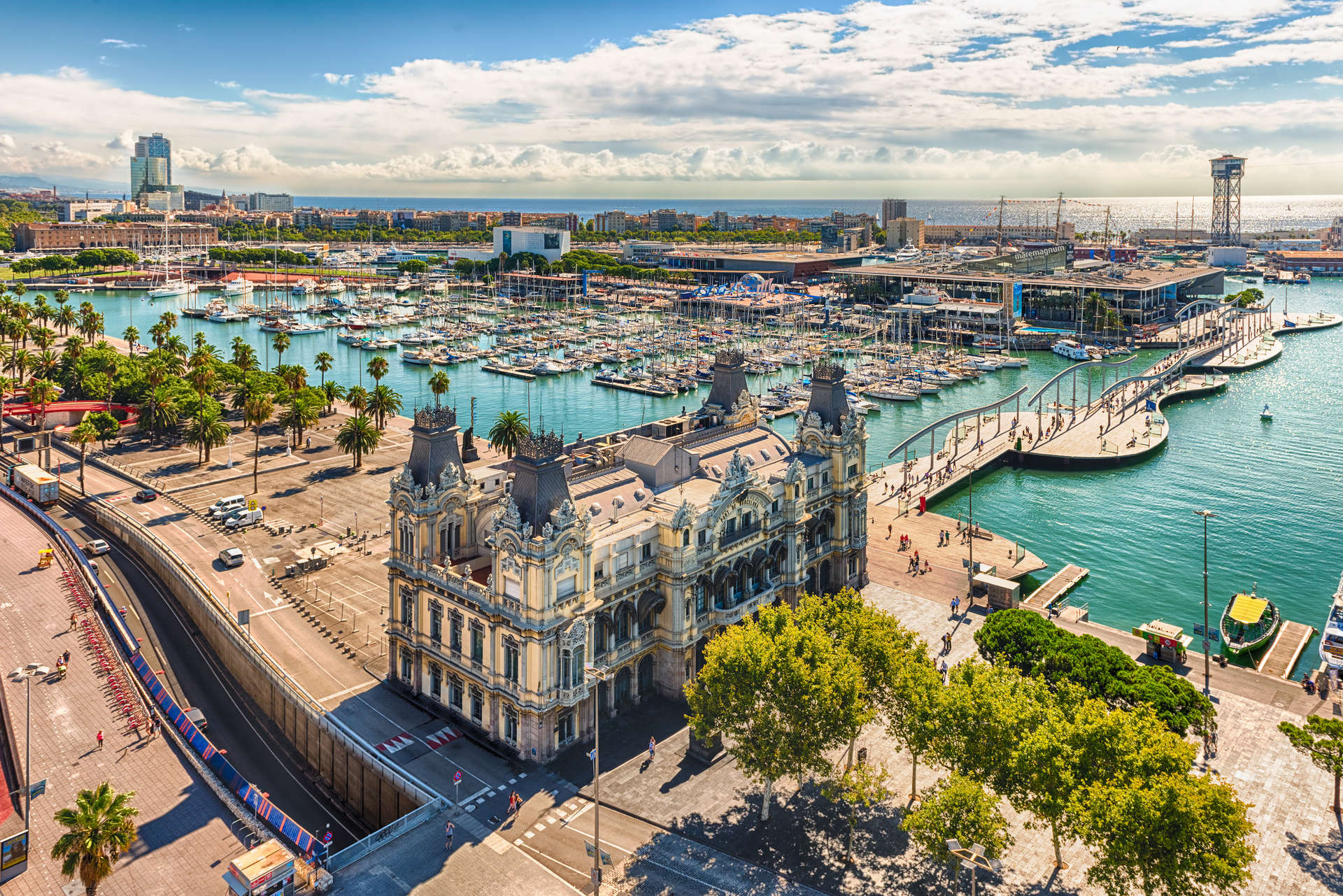 |
The Barcelona Coastline, Spain
The coastal area of Barcelona is a complex of urban planning and engineering solutions. Its beaches were created by dredging and transporting truckloads of sand, combined with the construction of breakwater systems to stabilize the shoreline. Photo: Lastminute
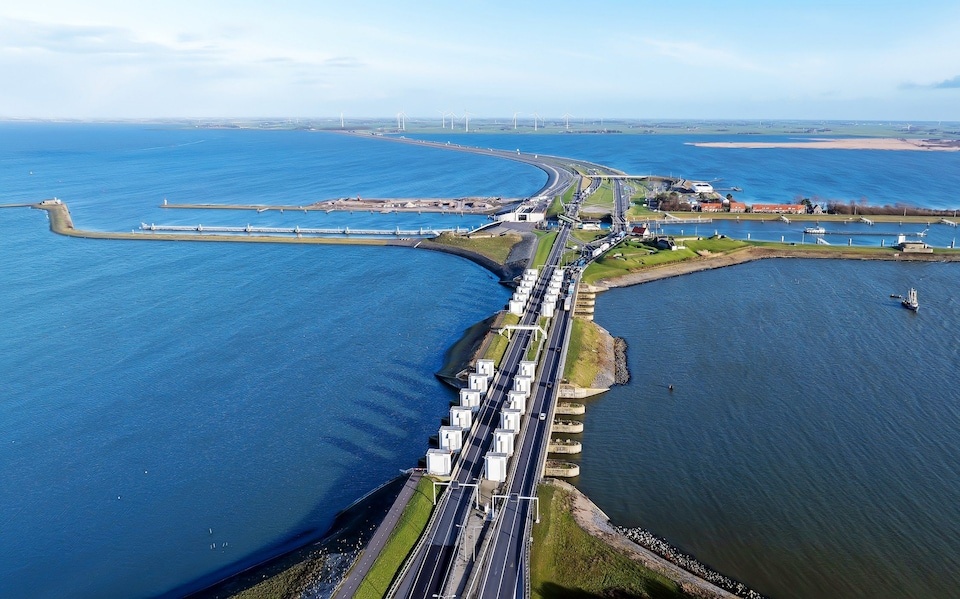 |
The Dike, Sluice, and Dam System, Netherlands
The Netherlands' irrigation and flood control system is a clear testament to its world-renowned hydraulic engineering capabilities. The southern Delta Works complex, comprising massive dams and sluices, protects the country from storms and floods, allowing people to cycle along the dikes.
In the north, the Afsluitdijk, over 32 km long, acts as a barrier to convert saltwater into the artificial freshwater lake IJmeer, creating a large area of reclaimed land to support the nation's development. Photo: Lastminute
Hoai Anh (According to Telegraph)