 |
Fear of missing out and packed itineraries
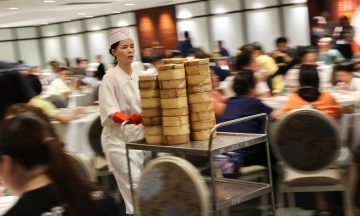
The fear of missing out (FOMO) can easily turn a trip into a checklist of places to visit. Instead of scheduling activities back-to-back, travelers should select one to two significant experiences each day, leaving gaps between appointments. An unplanned afternoon can also be a perfect time for rest or spontaneous exploration.
Many travelers often try to cram activities into the final day of their trip to see everything. However, this approach can make your last day feel rushed. It is advisable to keep the final day's schedule light, allowing for a relaxed end to the trip and helping travelers avoid arriving at the airport feeling exhausted.
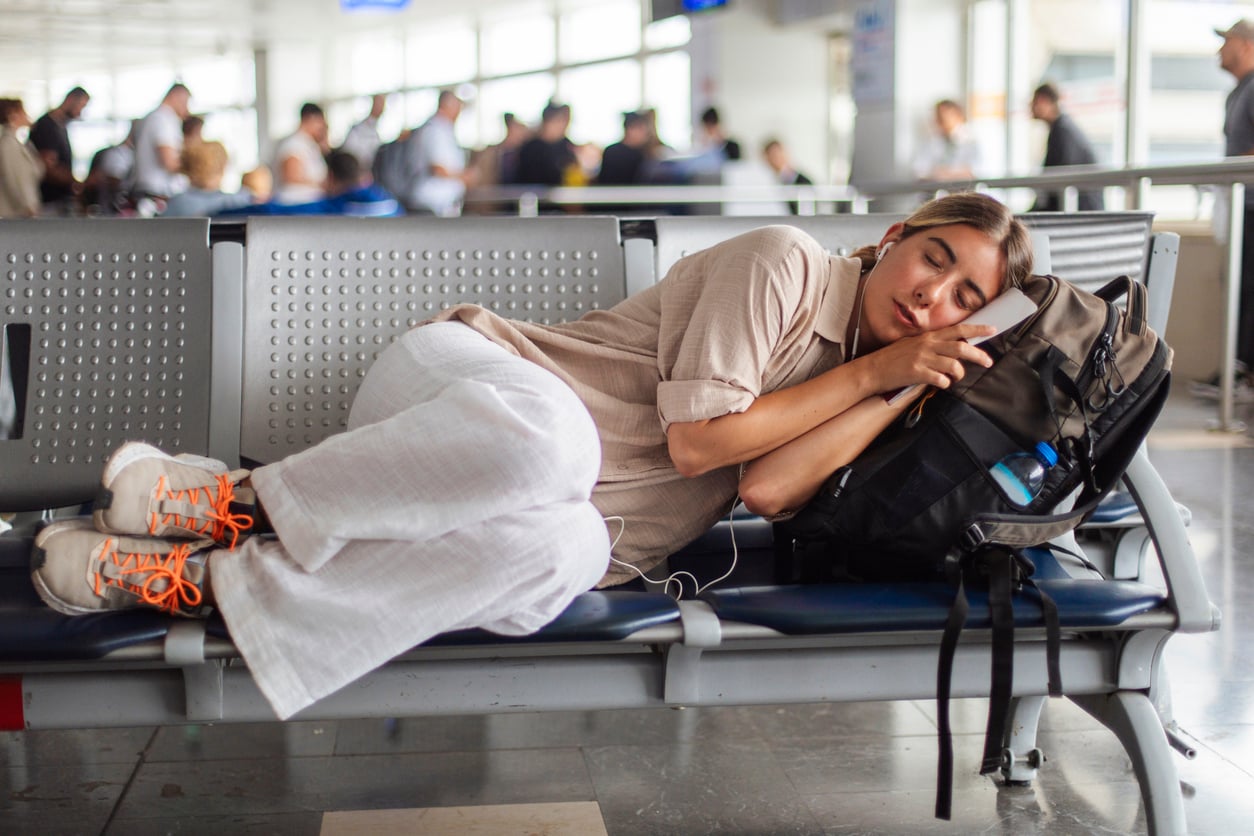 |
Choosing excessively early flights to save money
A 6 am flight might be cheaper, but it means travelers must wake up from 2-3 am after accounting for travel time and airport check-in procedures. Lack of sleep can worsen jet lag, leading to drowsiness and difficulty concentrating. Therefore, it is wise to weigh the monetary savings against the costs to your health and rest time.
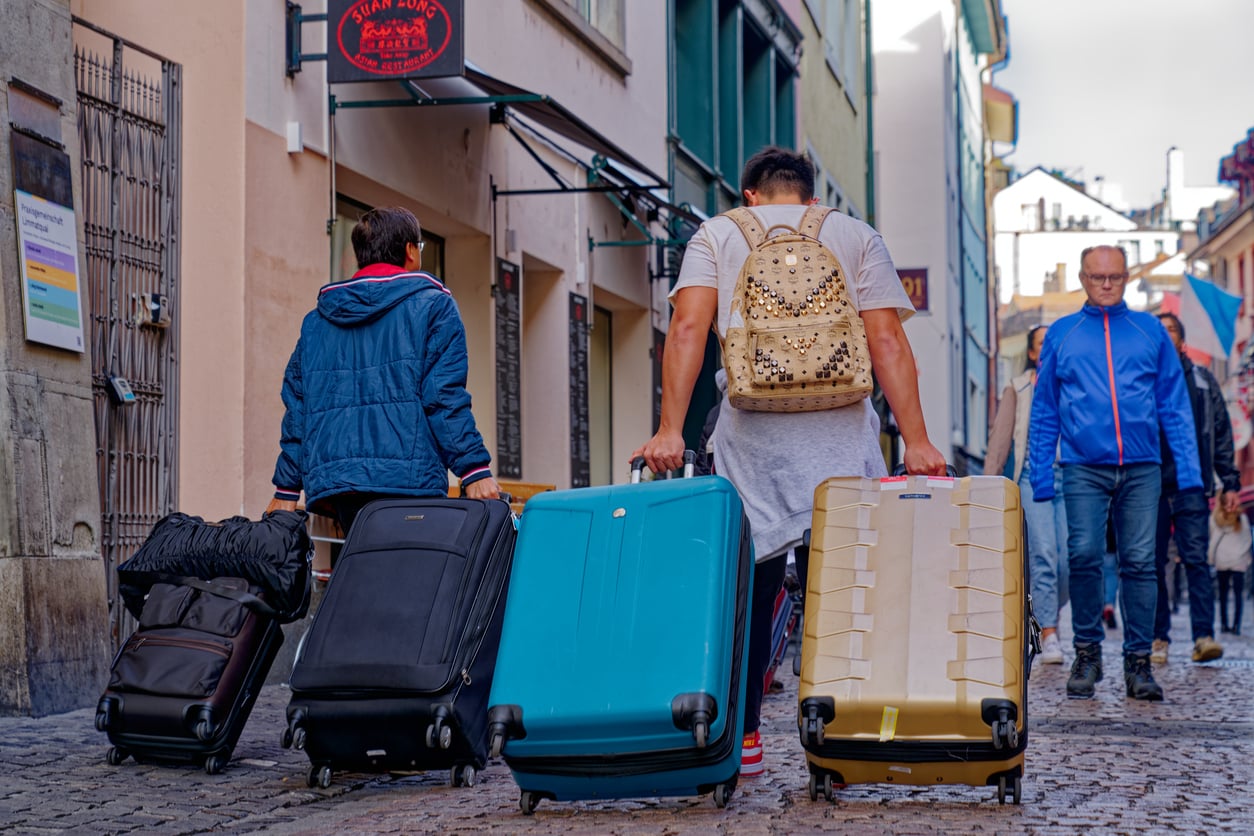 |
Changing hotels frequently
Switching hotels every one or two nights consumes extra time for packing, checking out, traveling, storing luggage, and becoming familiar with a new area. If conditions permit, travelers should choose one location as a "base" for a few days and embark on day trips. This method helps reduce travel time and provides opportunities to explore the neighborhood surrounding your accommodation.
 |
Dining at distant restaurants every evening
A renowned restaurant might be worth a long journey, but having to traverse the city for dinner every night can easily lead to traveler fatigue. It is recommended to balance special restaurant experiences with meals closer to your hotel, especially after a busy day of sightseeing. Consider booking a restaurant on a day you have already explored that particular area to minimize travel time and costs.
 |
Neglecting rest time at the hotel
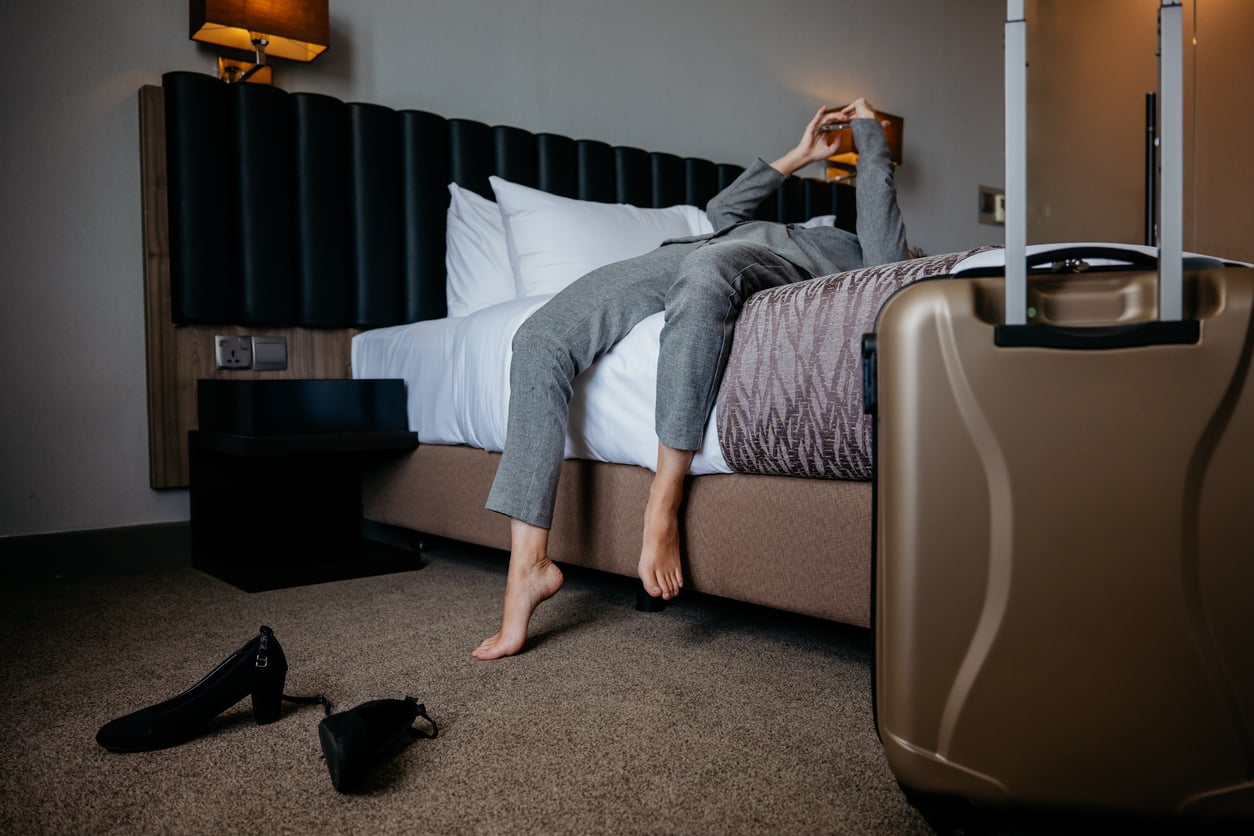
Many people hesitate to return to their hotel midday, believing they are "wasting" valuable travel time. However, an hour of rest, a shower, or a short nap can significantly help restore energy for the evening. The US Centers for Disease Control and Prevention (CDC) recommends taking short naps when needed to boost alertness, but advises against sleeping too long, as it can disrupt nighttime sleep.
 |
Wearing unsuitable shoes for style
Sightseeing often involves many hours of walking on pavements, museum floors, stairs, ramps, or cobblestone streets, which is considerably more than a normal day at home. Travelers should wear shoes that are already broken-in and proven comfortable for extended periods, reserving less comfortable pairs for dinners or short evening outings. A vacation is not the ideal time to discover that beautiful new shoes cause pain after just a few kilometers.
 |
Overpacking luggage
Heavy luggage creates inconvenience when traveling by train, plane, car, or navigating cobblestone streets. The American Association of Retired Persons (AARP) advises travelers, particularly those over 50 years old, to use light luggage and bring fewer items. For longer trips, consider selecting versatile clothing and doing laundry mid-trip instead of packing an excessive number of outfits.
 |
Driving excessively far each day
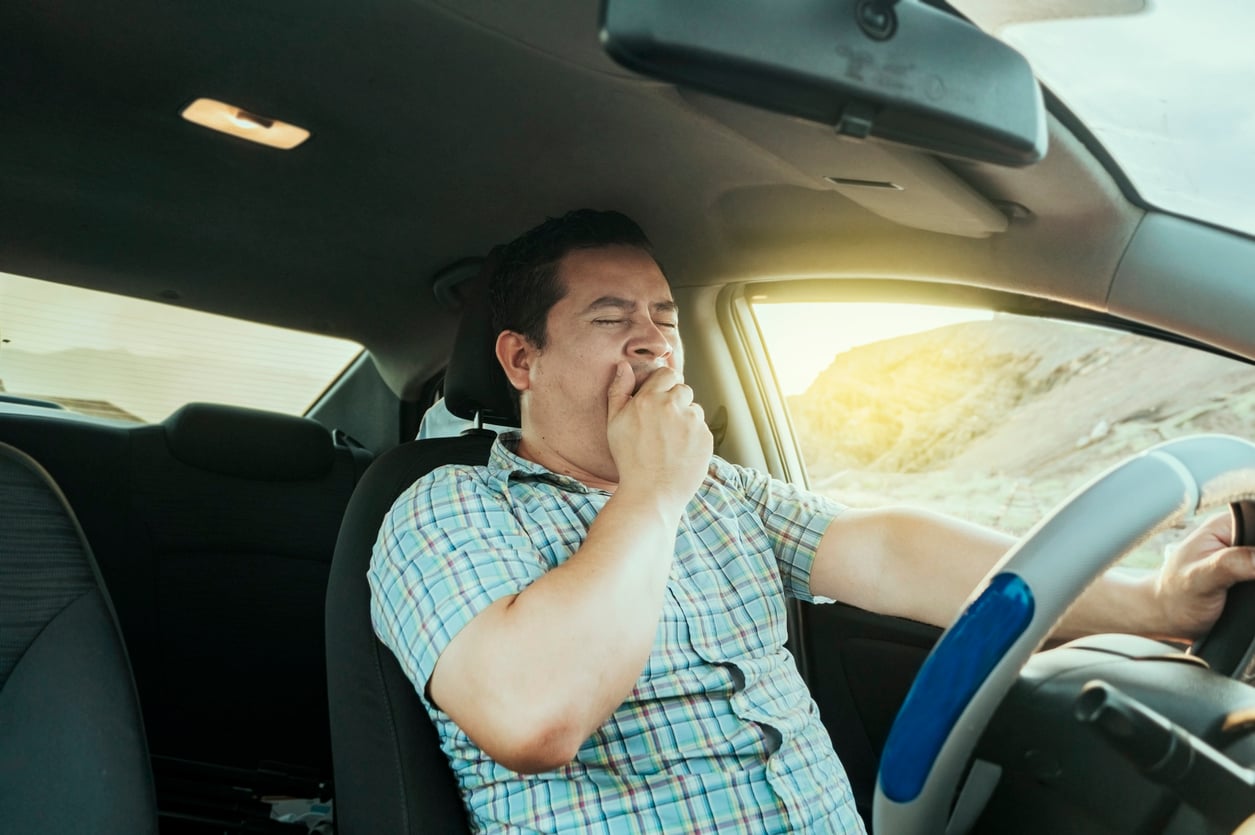
A road trip can easily transform into a highway sprint if travelers set overly ambitious daily distance goals. The US National Highway Traffic Safety Administration (NHTSA) warns that adequate sleep is a crucial measure to prevent the risk of drowsy driving. Instead of setting a fixed kilometer limit, it is better to divide long journeys into multiple days, incorporating scenic stops or an additional overnight stay in an interesting location.
 |
Consistently staying up late
Late dinners, listening to music, or enjoying nightlife are not problematic if managed appropriately. However, consistently staying up late while still needing to wake up early the next morning often leads to sleep deprivation. The US CDC states that jet lag can cause daytime drowsiness, difficulty concentrating, and reduced physical and mental performance. Travelers should alternate evenings of entertainment with periods of rest.
Anh Minh (According to AOL)
Photo: iStock