Palmarola Island, located west of Rome, is close enough for a day trip yet sufficiently isolated for visitors to feel the relentless pace of Italy's capital is a world away. While Rome's squares, fountains, and Roman ruins draw millions of tourists, Palmarola remains largely deserted. Many travelers have never heard of it, and few Romans have ever set foot on its shores.
Palmarola lacks towns, roads, electricity, mobile phone reception, a ferry terminal, or permanent residents. The island features only one beach and a system of trails; traces of modern development are rare.
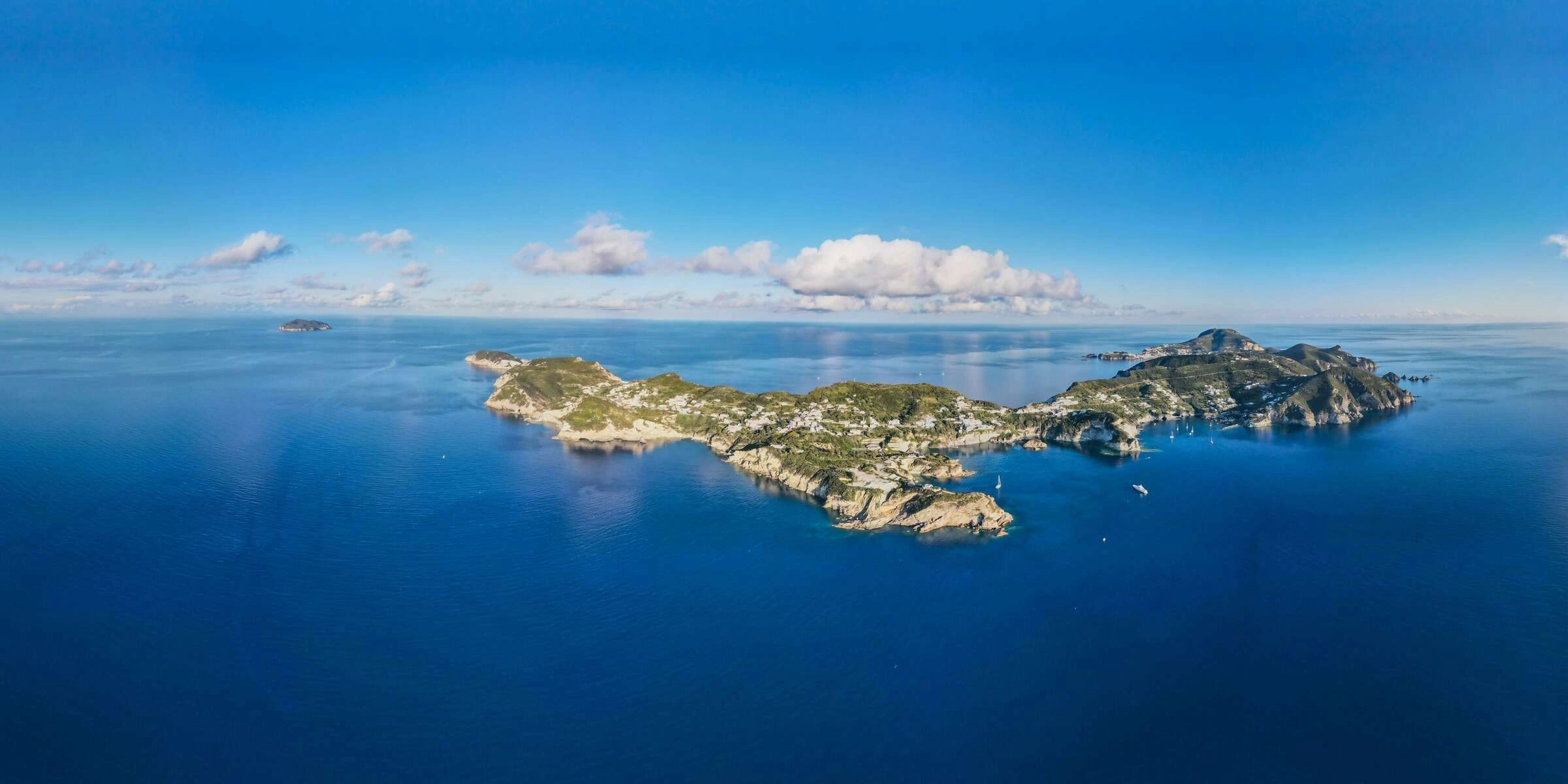 |
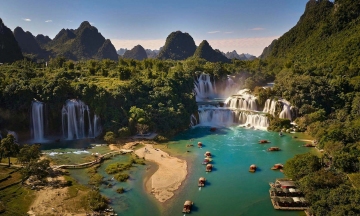
Island view from above. Photo: Expedia |
O'Francese, the island's sole restaurant, serves fresh seafood and offers a few basic rooms for rent, converted from old fishermen's caves along the cliffs. Guests must book months in advance, with rooms costing from 150 EUR per night.
Maria Andreini, 44, from Treviso in northern Italy, visits Palmarola every summer with her husband Mario, a bank manager, and their son Patrizio, 15.
"There's a lot to do here, yet at the same time, there's not much to do," she said. Her family spends days snorkeling and sunbathing on the beach in front of the restaurant. At night, they stargaze from the beach, taking walks with flashlights. In the mornings, the restaurant owner wakes them for a hike to the island's highest peak to watch the sunrise.
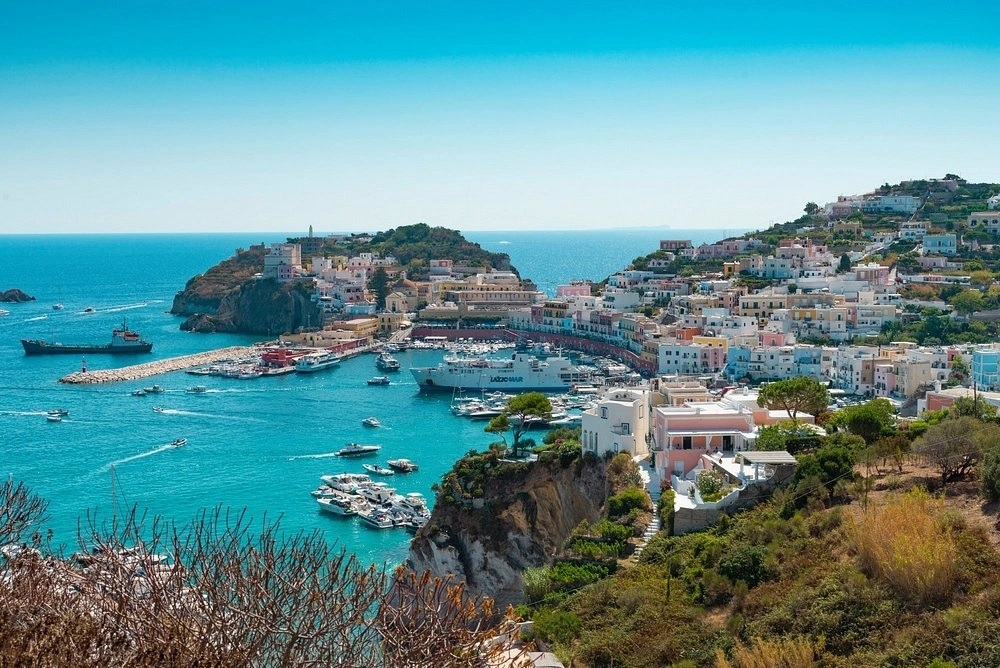 |
Ponza Island from above, 8 km from Palmarola Island. Photo: Tripadvisor |
Throughout the week, they eat fresh fish caught from nets, experiencing a "prehistoric" feeling of being stranded on a deserted island. She has traveled extensively, including to the Maldives, but finds no place compares to Palmarola, thanks to its captivating landscape. The island's only animals are wild goats, which shelter among the low bushes.
Today, the island is privately owned, with land divided into sections held by families residing on Ponza Island, 8 km from Palmarola.
Along the cliffs, fishermen have converted small caves into private shelters, used during storms. Many owners still stock supplies in case they cannot return to Ponza in adverse conditions.
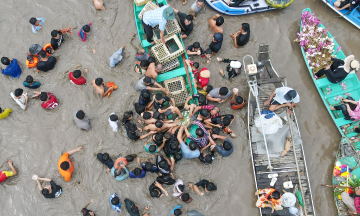
Each June, fishermen from Ponza sail to Palmarola for the San Silverio festival. The chapel dedicated to Saint Silverius is perched precariously on a rock pillar in the sea. Fishermen bring flowers to the chapel and carry a wooden statue of the saint by boat around the island. They often recount tales of sailors who, caught in severe storms at sea, prayed to Saint Silverius and survived to return.
"The saint's image emerging from the water guided sailors safely back to Palmarola, where they could survive for weeks in the cave shelters," the restaurant owner recounted, sharing a local legend.
Anh Minh (Source: CNN)