Located amidst the eastern mountains of West Virginia, the town of Green Bank is home to about 150 residents. For years, this area has often been referred to as a "quiet zone" or "mobile signal forbidden zone," though this description isn't entirely accurate.
Green Bank lies within the National Radio Quiet Zone (NRQZ), an area spanning over 33,000 square kilometers. The NRQZ was established in 1958 to protect the Robert C. Byrd Green Bank Telescope, a 148-meter-tall, 7.7 million kg instrument capable of receiving signals from 13 billion light-years away to study the formation and evolution of galaxies.
 |
The Robert C. Byrd Green Bank Telescope. Photo: Guardian |
The Robert C. Byrd Green Bank Telescope. Photo: Guardian
Because of the highly sensitive radio equipment, signals from mobile phones or wifi networks can interfere with research data. Consequently, authorities broadly restrict the use of wireless signals.
In Green Bank's central area, mobile phones and wifi are completely prohibited. Residents needing Internet access must use fixed wired connections to computers. However, signals are slow due to weak transmission lines. Those seeking wireless connectivity must travel away from the central area.
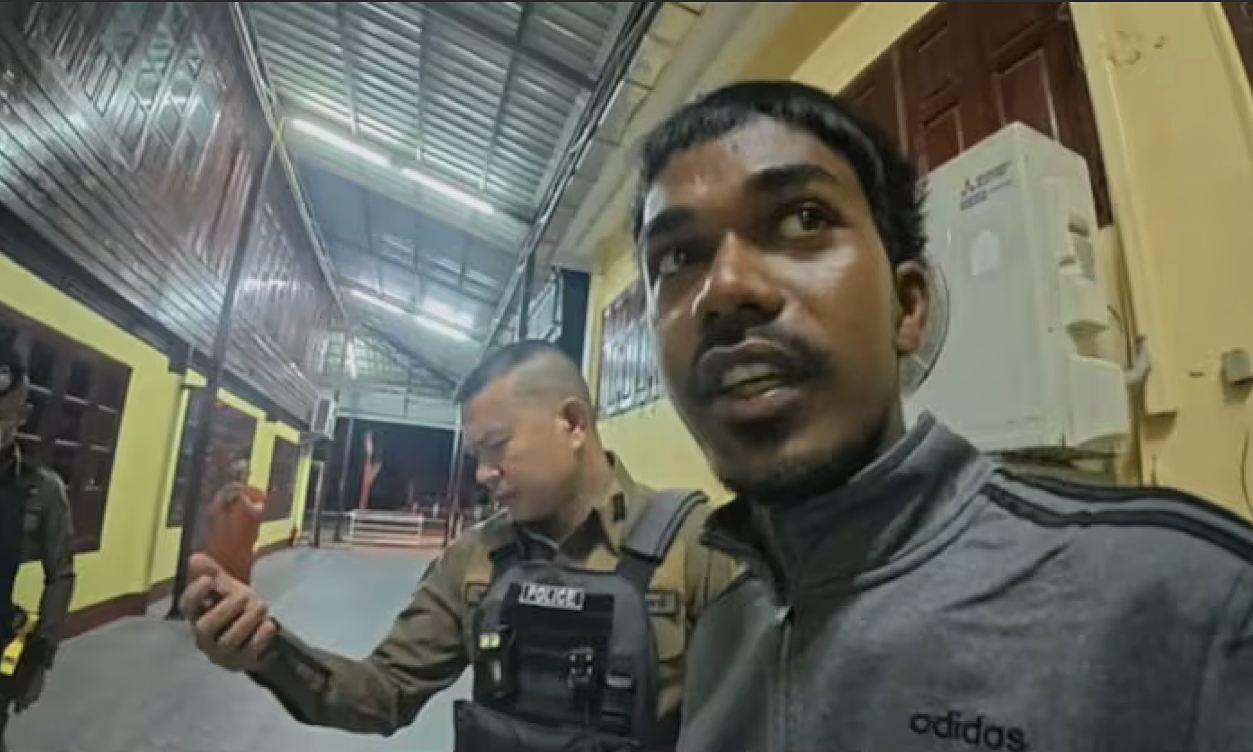
Wifi seekers in Green Bank discuss life in the area. Video: The Adventure Crews
The absence of electromagnetic waves creates a distinct living environment. Younger residents maintain traditional habits, such as communicating via landline phones, meeting in person, and spending ample time on outdoor activities. Many locals appreciate the privacy and genuine human connection fostered by not being distracted by smart devices.
Some visitors find it disorienting not being able to access their personal devices. This makes Green Bank a unique destination, offering tourists a chance to experience a lifestyle detached from the modern technological wave.
Hoai Anh (According to The Adventure Crews, Guardian, Times of India)