 |
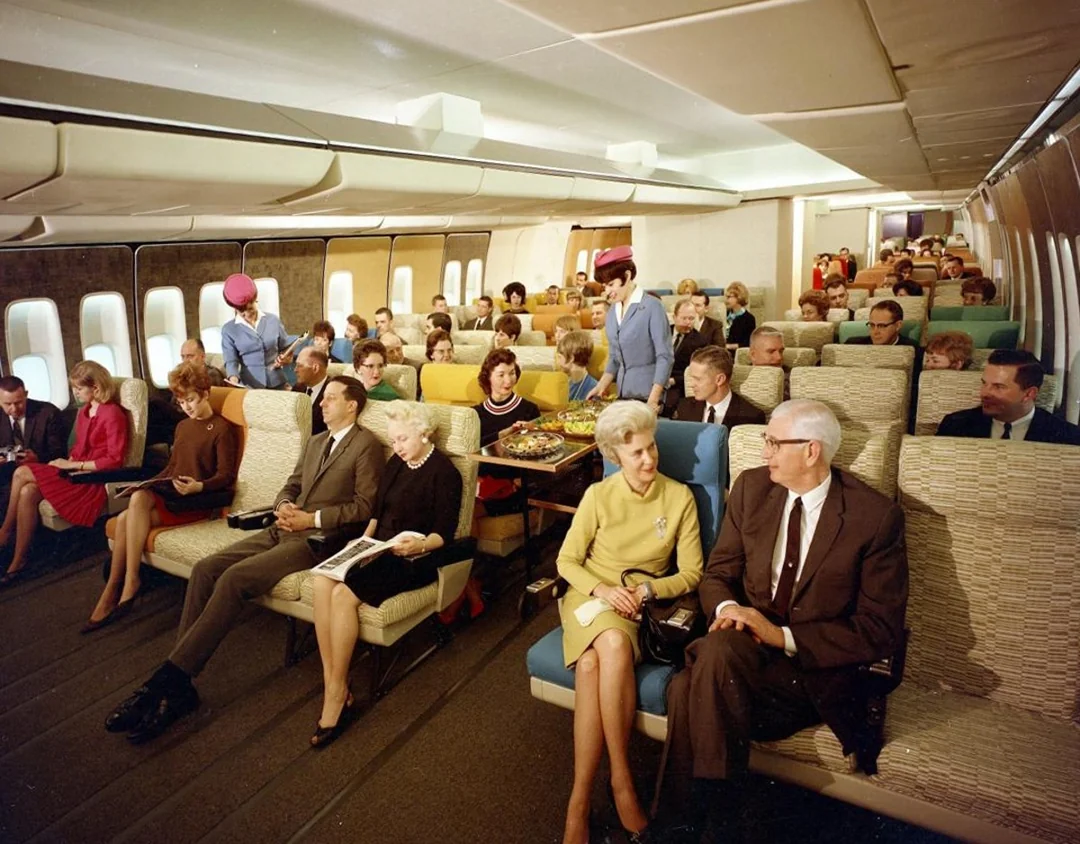
From the 1950s to the 1970s, air travel possessed a glamour almost unimaginable today. Passengers boarded planes in their best outfits, flight attendants served multi-course meals, and stepping onto an aircraft felt more like entering a five-star restaurant than being squeezed into a metal tube.
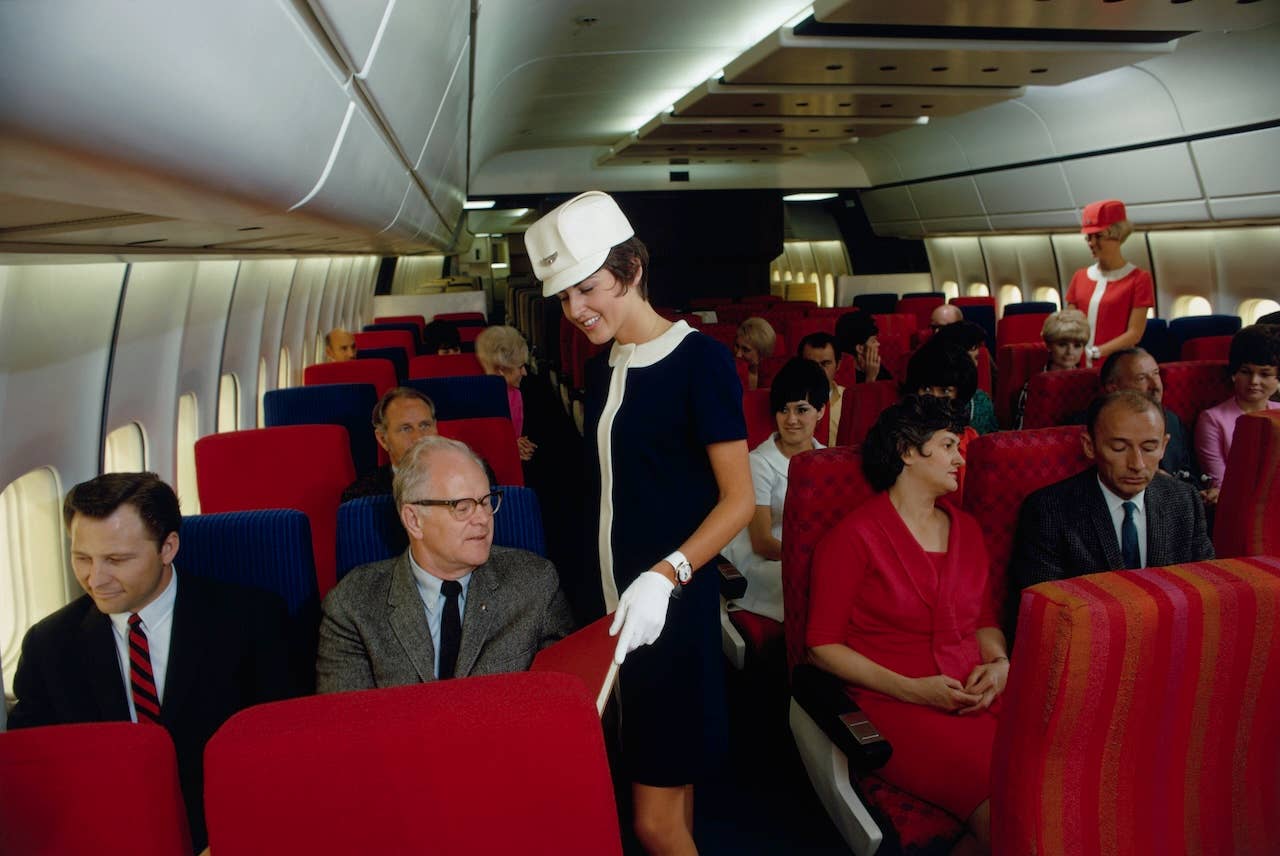 |
Mid-20th century aviation culture regarded flying as a special occasion. At that time, a round-trip domestic ticket in the US could cost the equivalent of 1,000-4,000 USD or more, whereas today, prices can sometimes be as low as a few dozen USD.
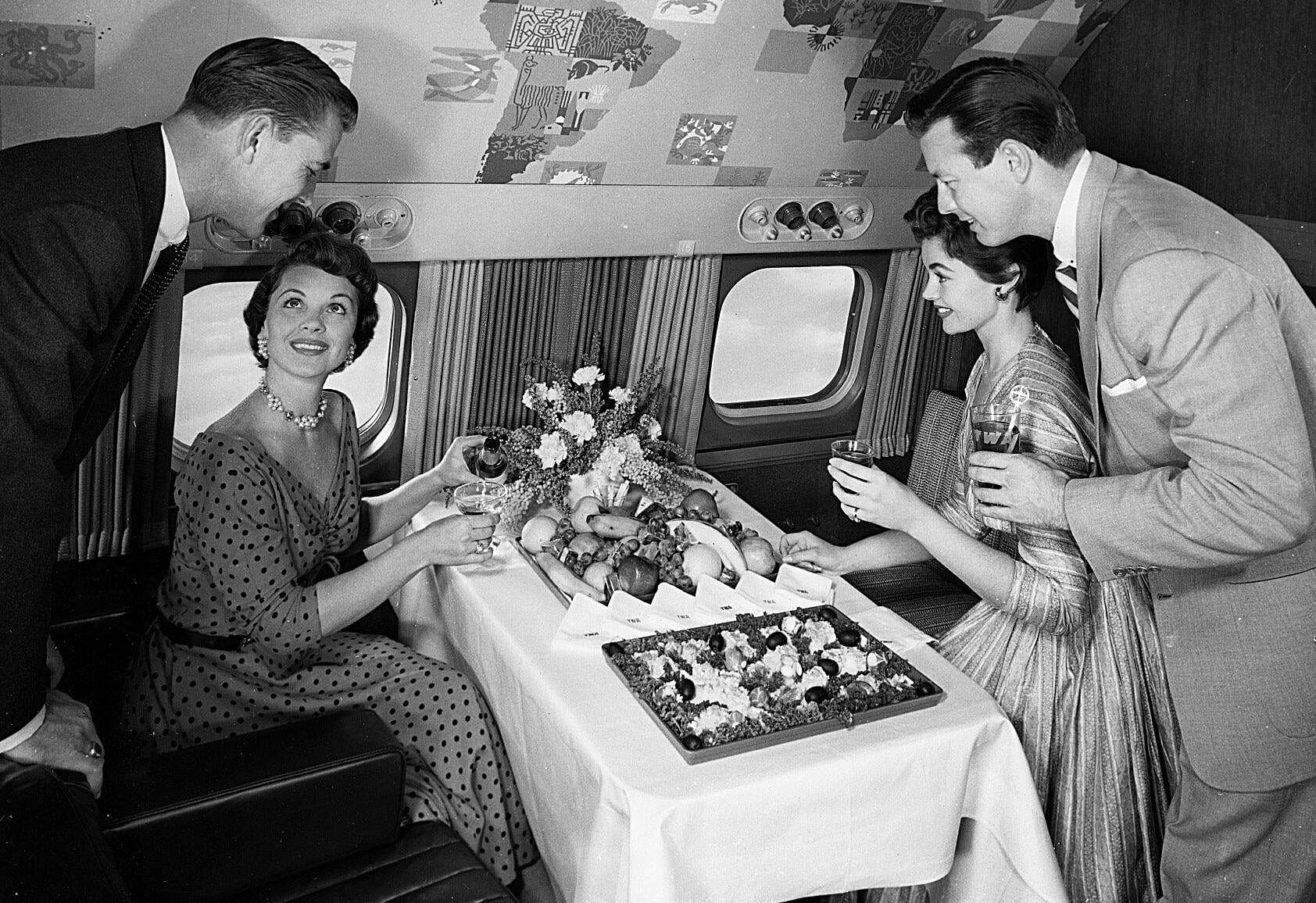 |
Passengers often wore their finest clothing because each flight could be a once-in-a-lifetime event or mark a significant milestone. Dining tables were set with white tablecloths, offering a level of luxury surpassing many restaurants today.
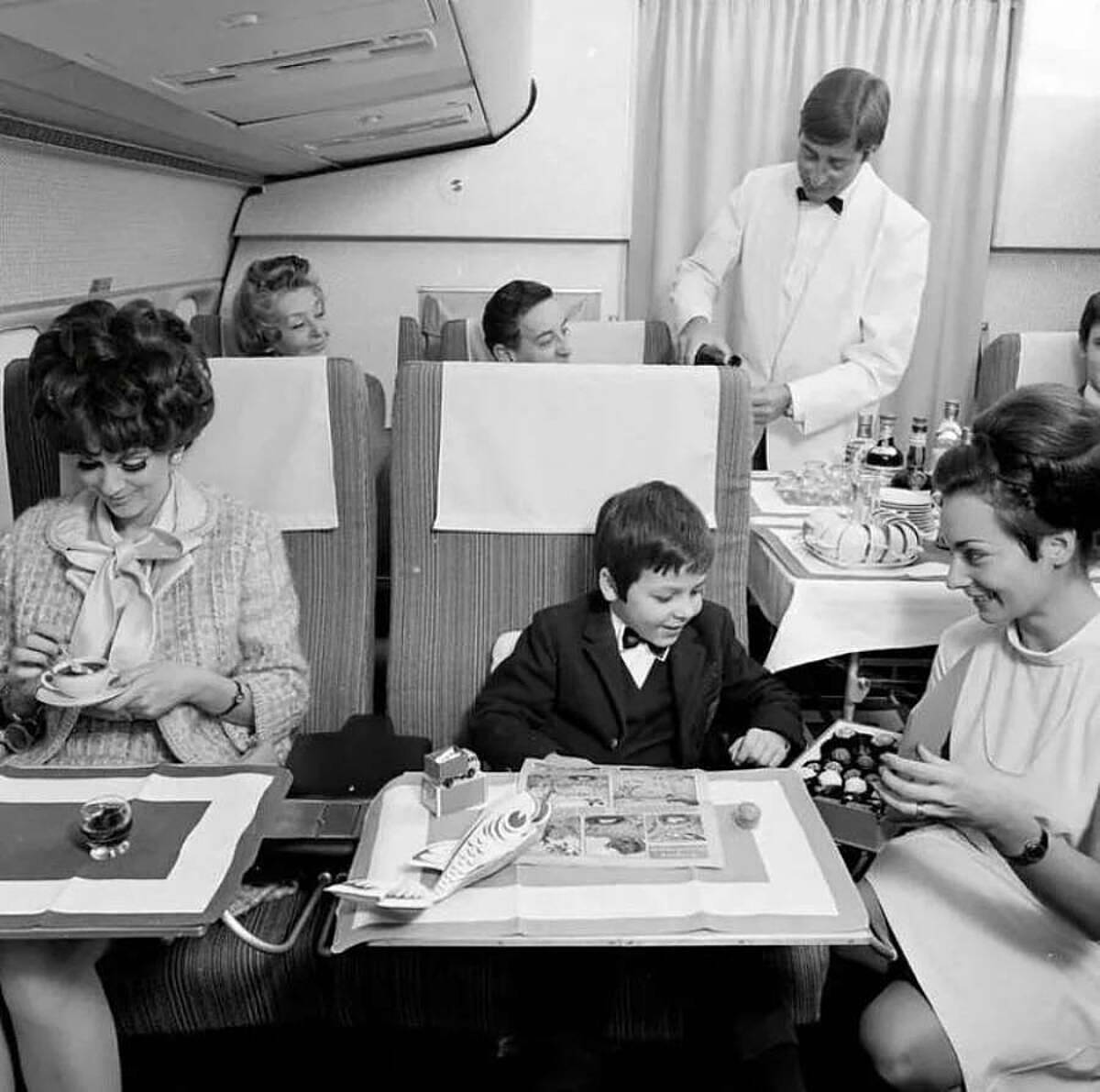 |
Young passengers also wore elegant outfits, as if attending formal parties.
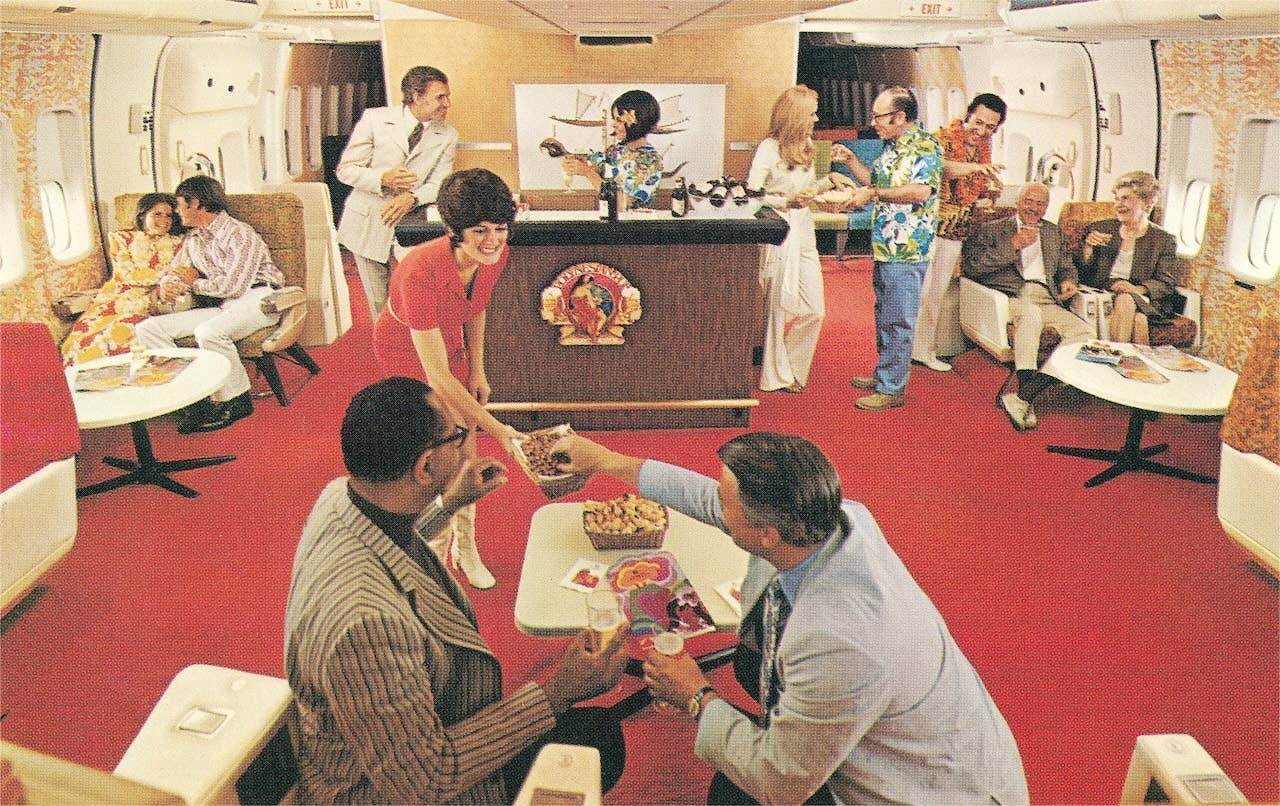 |
Since airlines were not allowed to compete by lowering fares, they were compelled to compete through luxury and service quality. This included premium multi-course meals, complimentary cocktails, generous legroom, and attentive service. Passengers would gather in an upper-deck lounge, enjoying drinks and snacks while socializing. This spacious, living room-style area was a hallmark of the early commercial jet era.
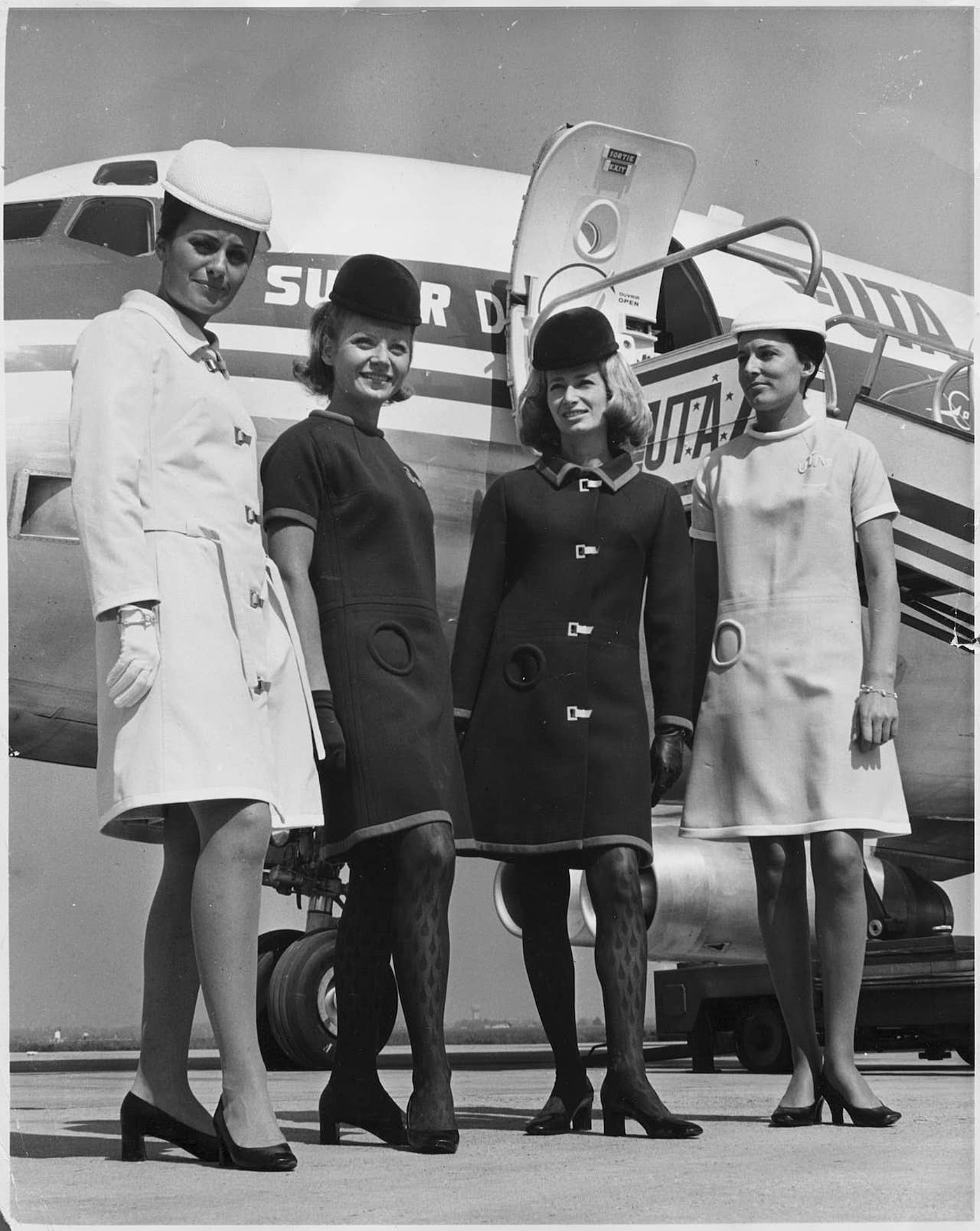 |
Flight crews were also fashion icons, displaying an elegance that matched the sophistication passengers expected. Airlines once imposed strict regulations and gender biases on female flight attendants. In the 1950s-1960s, they had to be single, meet specific height and weight requirements, and might have had to retire by the age of 30-35.
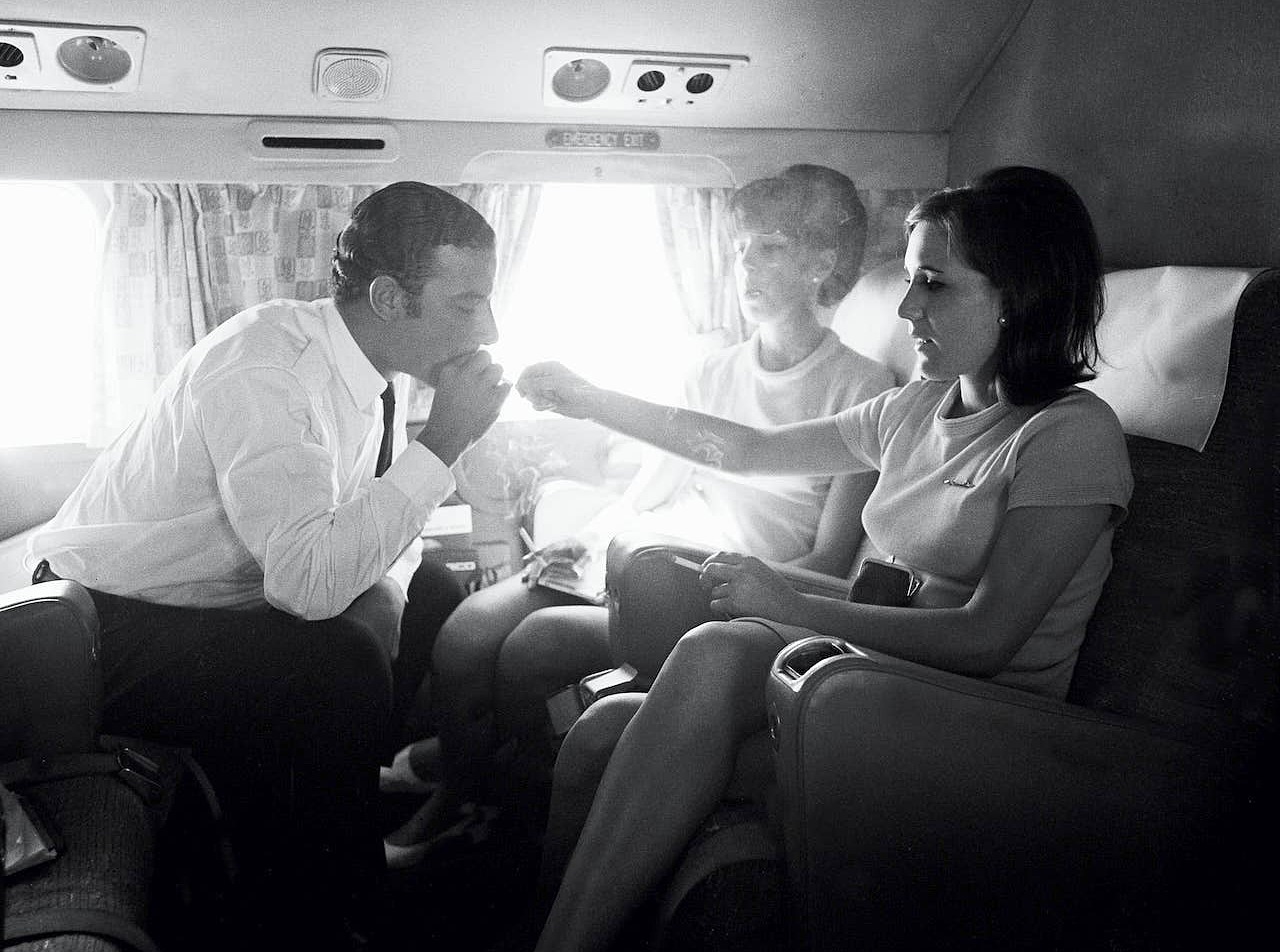 |
On board, smoking was once a common practice, even seen as a way to relax. Passengers freely lit cigarettes, pipes, and cigars at their seats, often filling the cabin with smoke. Crew members also took short breaks to smoke.
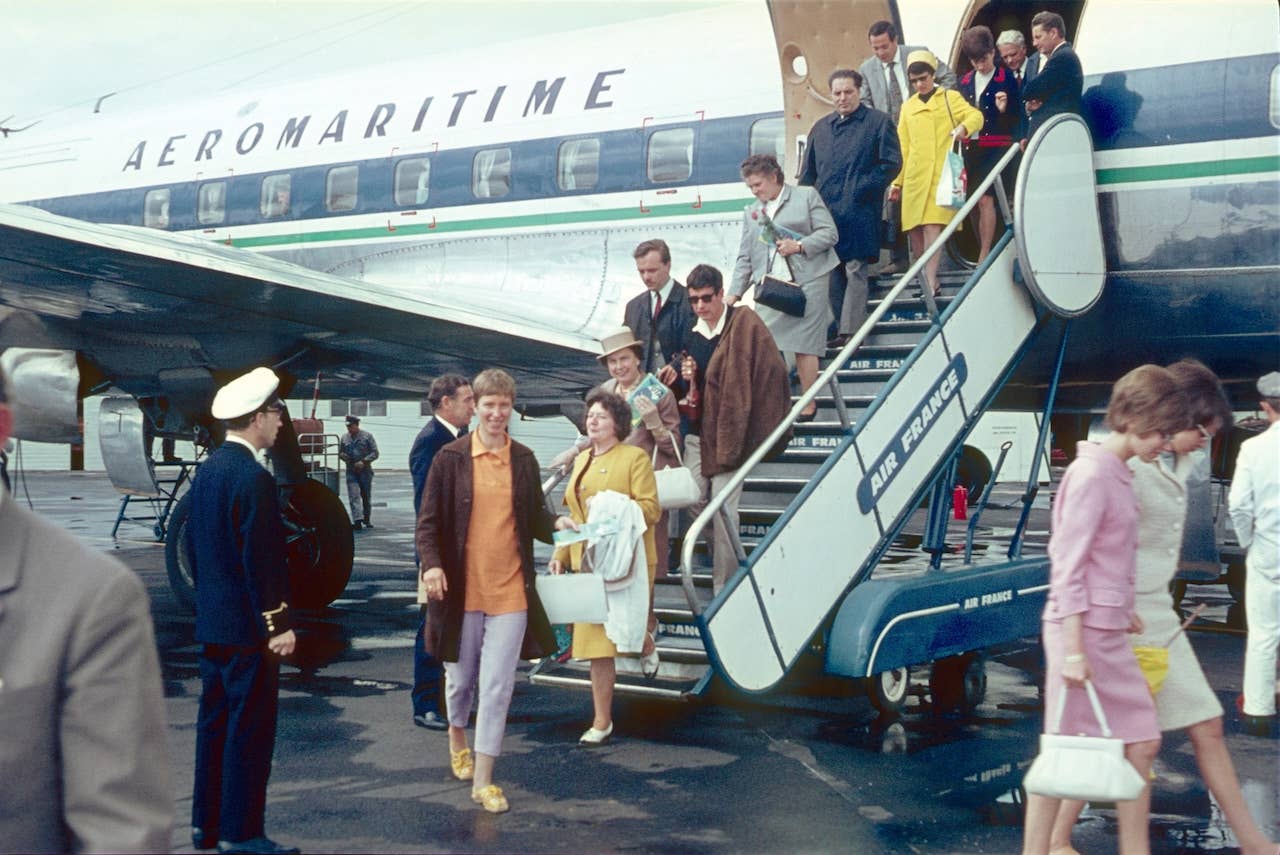 |
In 1966, passengers descended an open staircase directly onto the tarmac at Paris-Orly Airport in meticulously tailored coats, smart suits, and formal dresses. This transformed the moment of disembarking into a true fashion show.
By Tam Anh (according to Parade, AOL)