 |
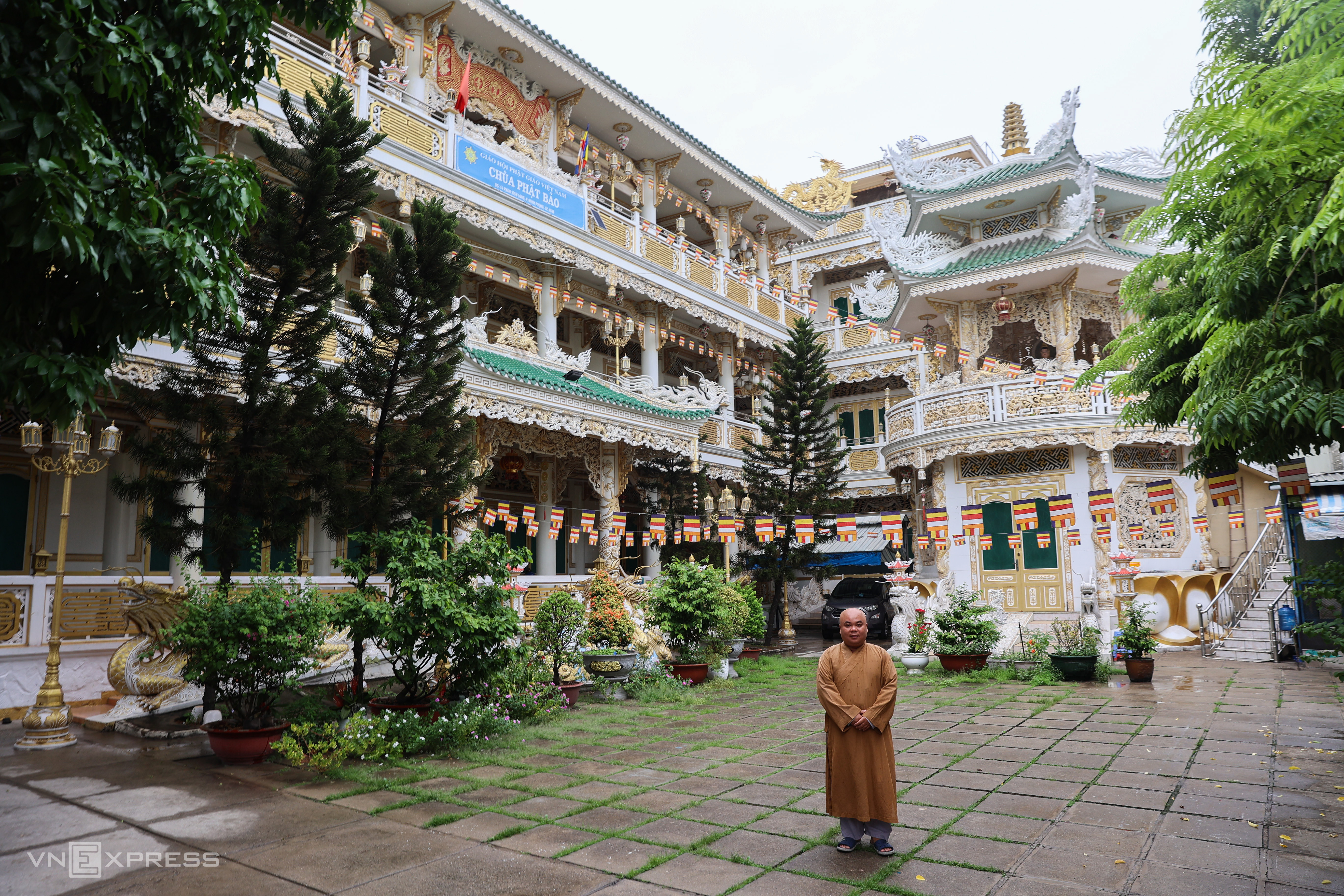
Phat Bao Pagoda, nestled in a small alley on Phan Xich Long street in Ho Chi Minh City, stands out with its distinctive dragon-themed architecture. Managed by abbot Thuong Minh Ha Chon and venerable Minh Thanh, this serene temple is adorned with an estimated 400 dragon figures, making it a unique spiritual site.
The pagoda's history dates back to 1886, built on the foundation of the former Tu Phuoc Pagoda, which once spanned over 10,000 square meters. Venerable Minh Thanh explained that after successive abbots passed away without successors, the ancient temple gradually deteriorated. In 2008, Most Venerable Thuong Minh Ha Chon took over, rebuilt, and renamed it Phat Bao Pagoda. During this period, the land area significantly reduced to about 1,100 square meters.
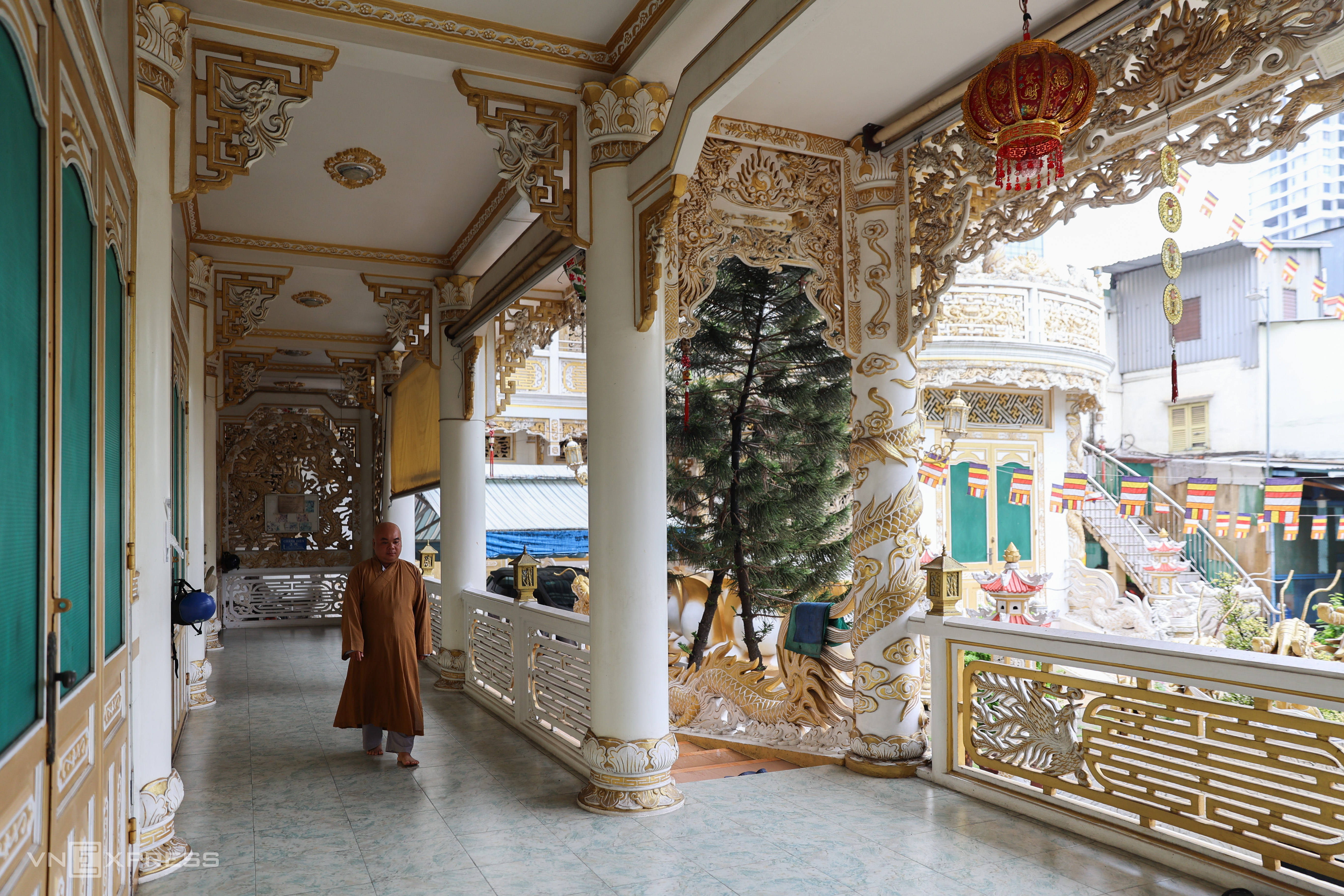
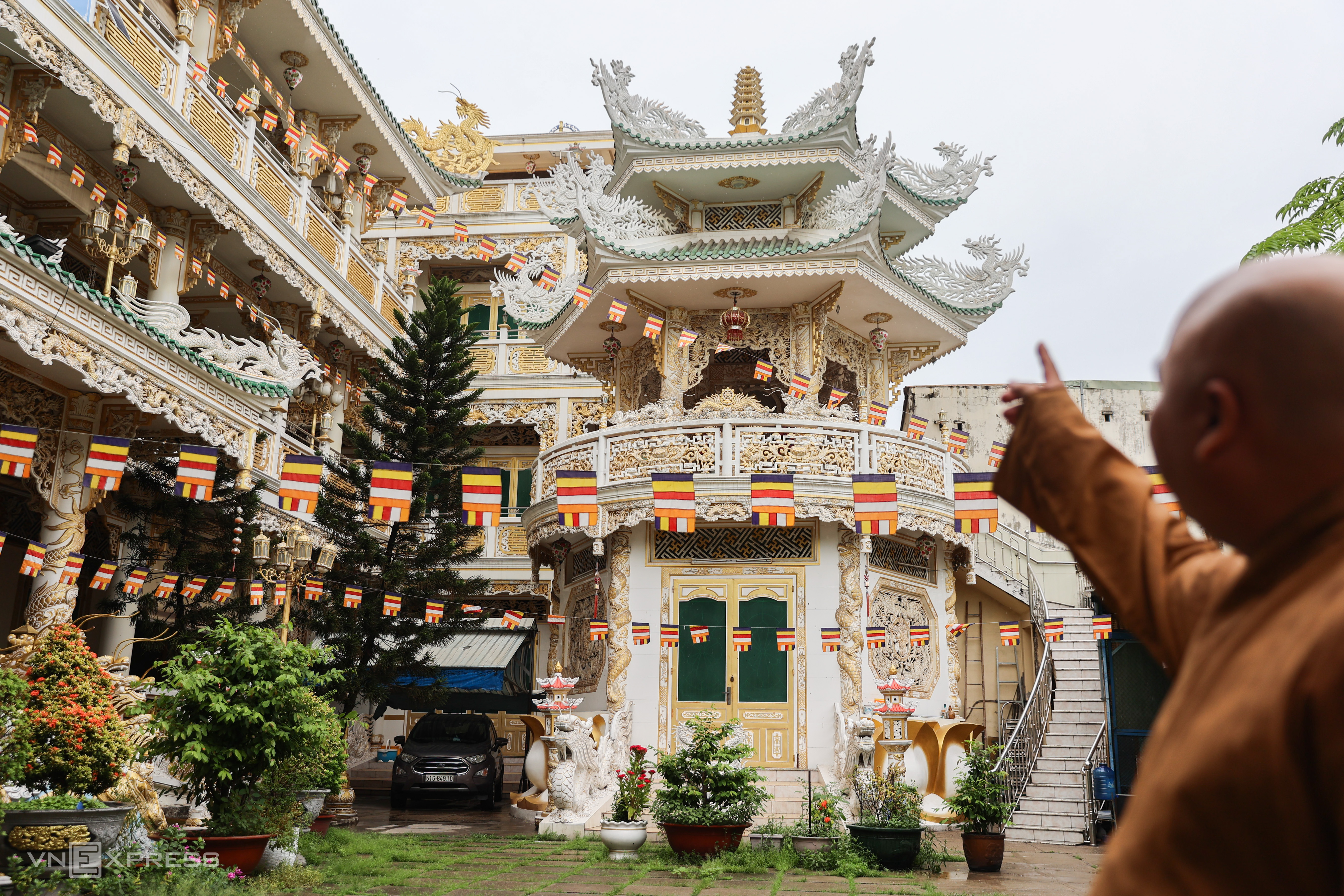
The pagoda features one ground floor and three levels, encompassing the main hall, lecture hall, monks' quarters, and a stupa. Its facade is extensively decorated with numerous dragon statues on the roof edges, three-tiered steps, pillars, and corridors. According to the temple, dragons are revered in Buddhism as sacred protectors, safeguarding the Dharma and people. The abbot chose dragons as an architectural highlight to embody the strength and monastic will associated with these spiritual creatures. A prominent pair of dragons, about 2 meters long, adorns the three-tiered steps, being the largest in the pagoda.
 |
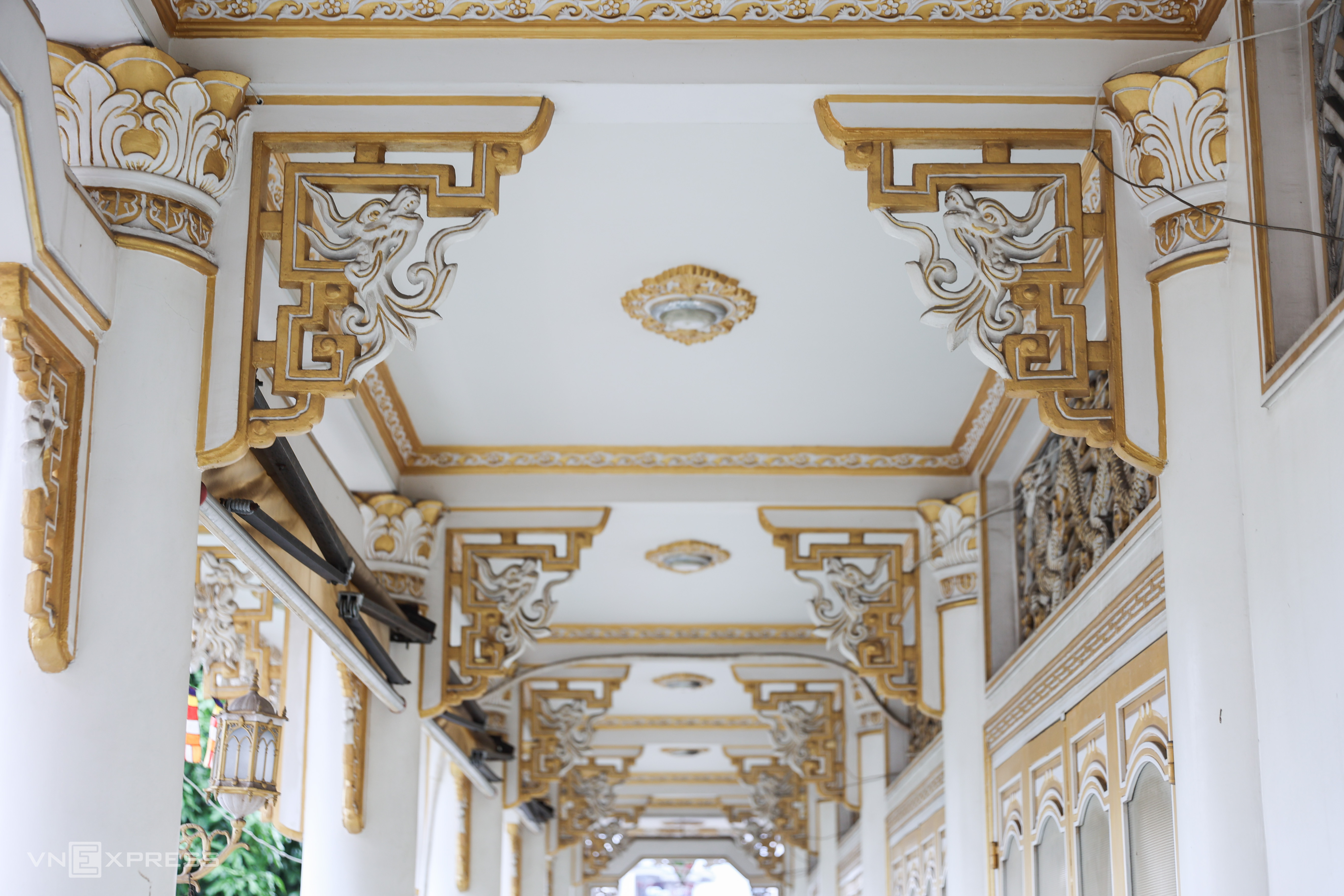 |
Beyond the numerous dragon figures, the pagoda's decorations include "two dragons flanking the moon" and "two dragons competing for a pearl" motifs, alongside the dharma wheel, which symbolizes the Buddha's teachings and enlightenment. The interior corridors, with their columns and ceilings, display many embossed dragon reliefs. The overall aesthetic is dominated by yellow and white, with yellow representing sacredness and liberation, and white signifying purity and clarity.
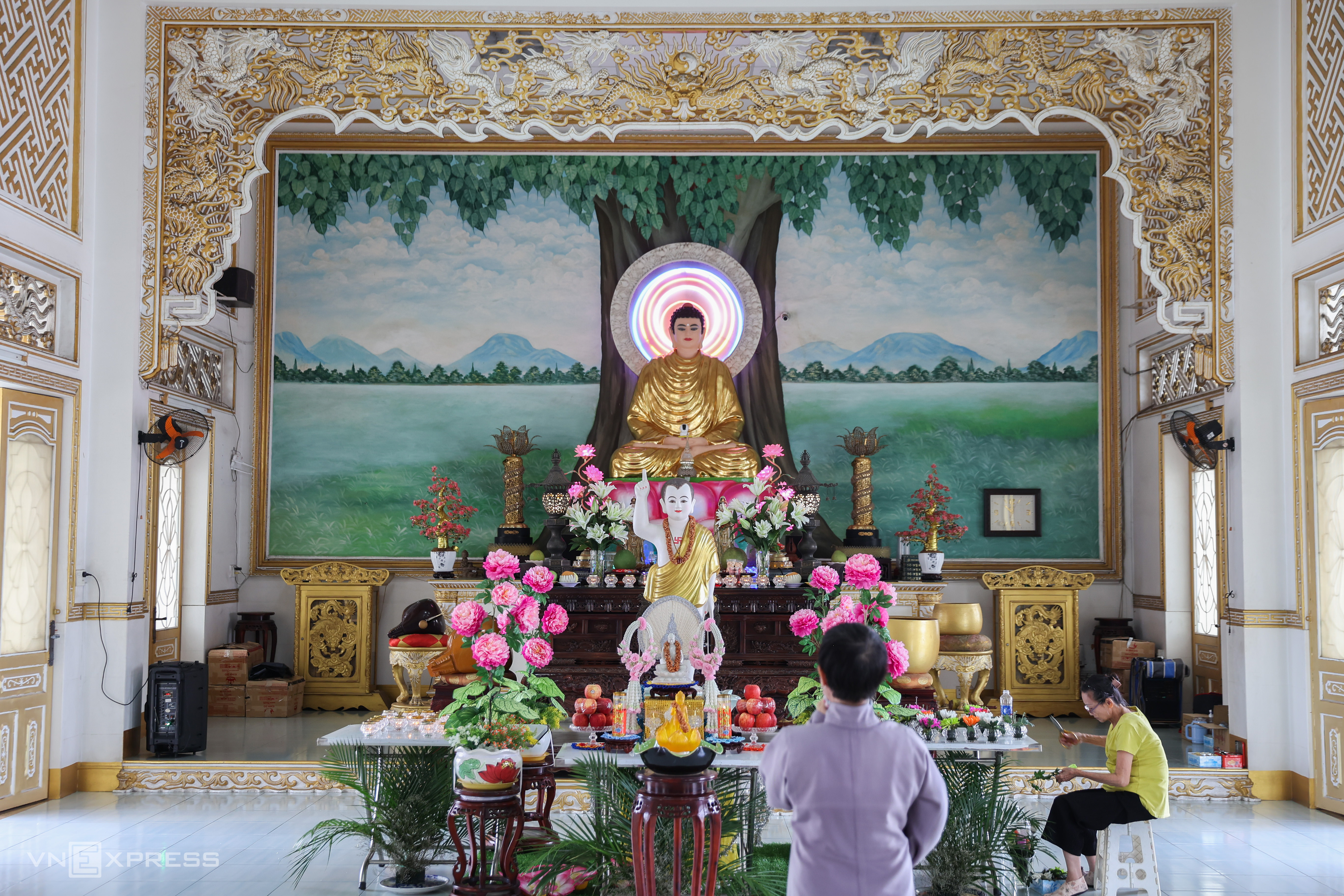 |
The main hall's layout deviates from the traditional "front Buddha, back ancestors" style. Instead, it features Shakyamuni Buddha and Bodhi Dharma facing each other. Adjacent to the monks' living quarters, a two-story stupa is dedicated to Quan The Am Bodhisattva.
 |
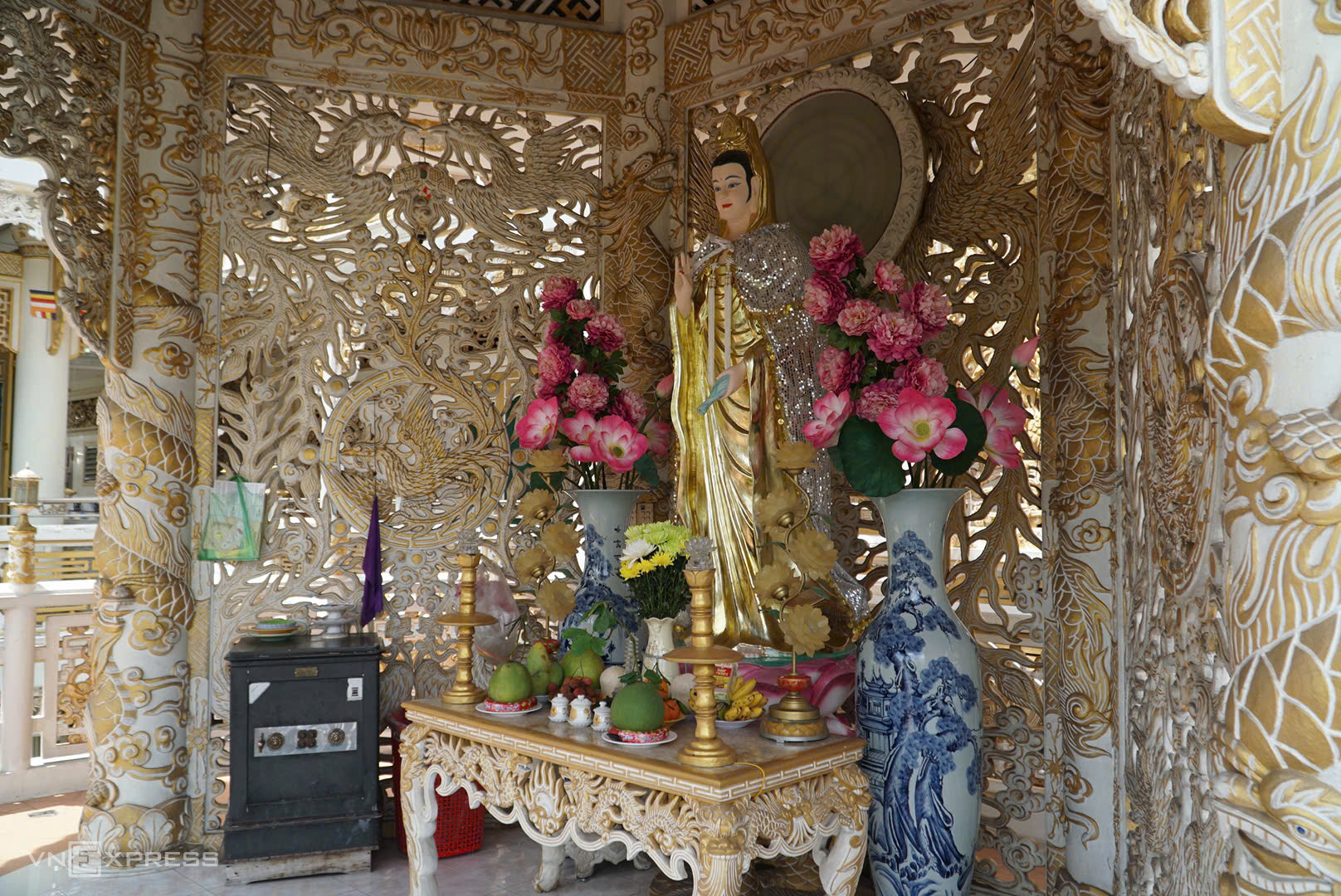 |
This stupa is densely decorated with dragon, phoenix, and lotus motifs on its levels, columns, and railings. The roof corners are notably adorned with phoenixes, one of the four sacred creatures in East Asian culture.
The pagoda provides a lecture hall with a capacity for 300 people and a guesthouse for visiting Buddhists. The temple's policy emphasizes solitary practice and chanting, limiting large religious gatherings.
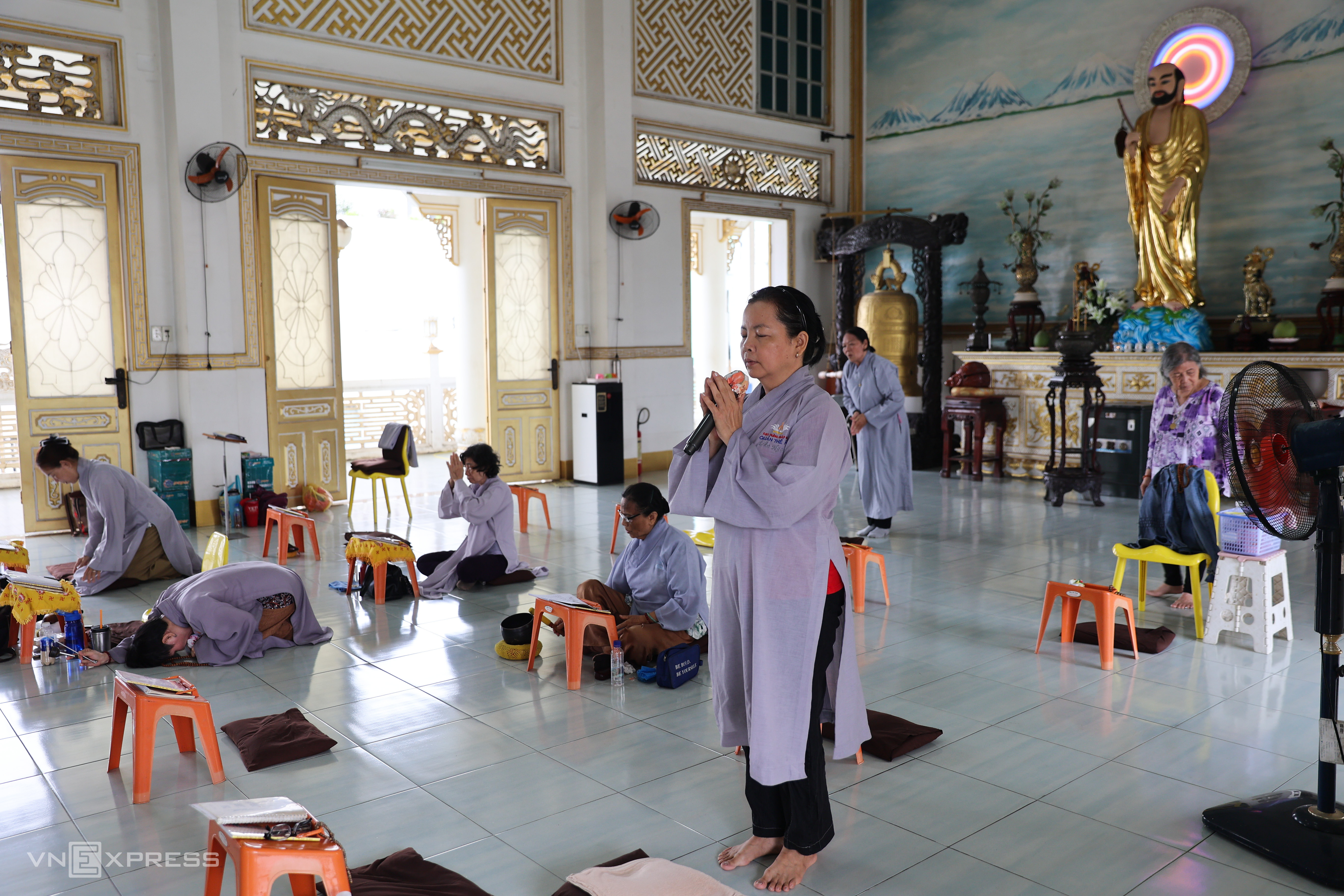 |
This focus means that, apart from full moon days, the first days of the lunar month, or Buddha's birthday, the pagoda remains quiet and serene, offering a peaceful environment for spiritual contemplation.
By Quynh Tran