Hing, colloquially known as "devil's dung", is arguably the most controversial ingredient in Indian cuisine. While some laud it as the "soul" of their dishes, others recoil from its potent, "rotten cabbage" smell. This divisive spice originates from Asafoetida, a wild fennel plant primarily cultivated in Afghanistan, Iran, and Uzbekistan. Its name, a blend of Persian "asa" (resin) and Latin "foetida" (stinking), aptly describes its powerful aroma. The resin from the plant's roots is processed into a powder, often mixed with wheat or rice flour, before being used in cooking.
Despite its intense odor, which can overpower hundreds of other spices in bustling markets like Delhi's Khari Baoli, hing is essential for many Indian vegetarian dishes. According to Siddharth Talwar and Rhea Rosalind Ramji, co-founders of The School of Showbiz Chefs, hing serves as "the base note of every Indian dish." It effectively mimics the flavors of onion and garlic, ingredients often prohibited in vegetarian communities like the Jain, Marwari, and Gujarati due to religious dietary restrictions. The pure resin is so potent that tasting a raw pinch causes a burning sensation, and its scent clings stubbornly to hands.
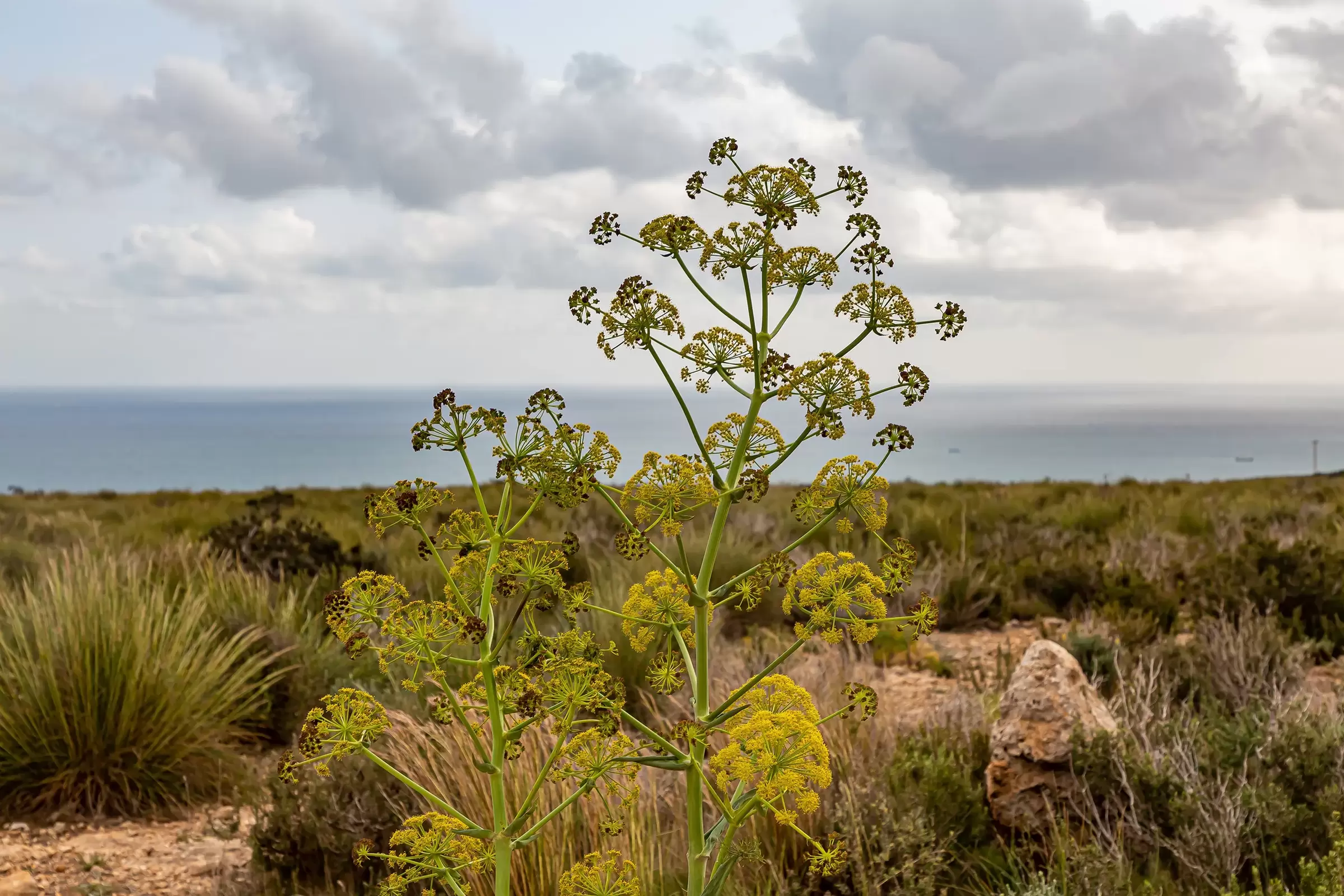 |
Wild fennel plant. Photo: Fity club
Currently, most consumers purchase hing in powdered form, pre-mixed with rice or wheat flour. More dedicated culinary enthusiasts often opt for the pure crystalline form, which resembles rock salt.
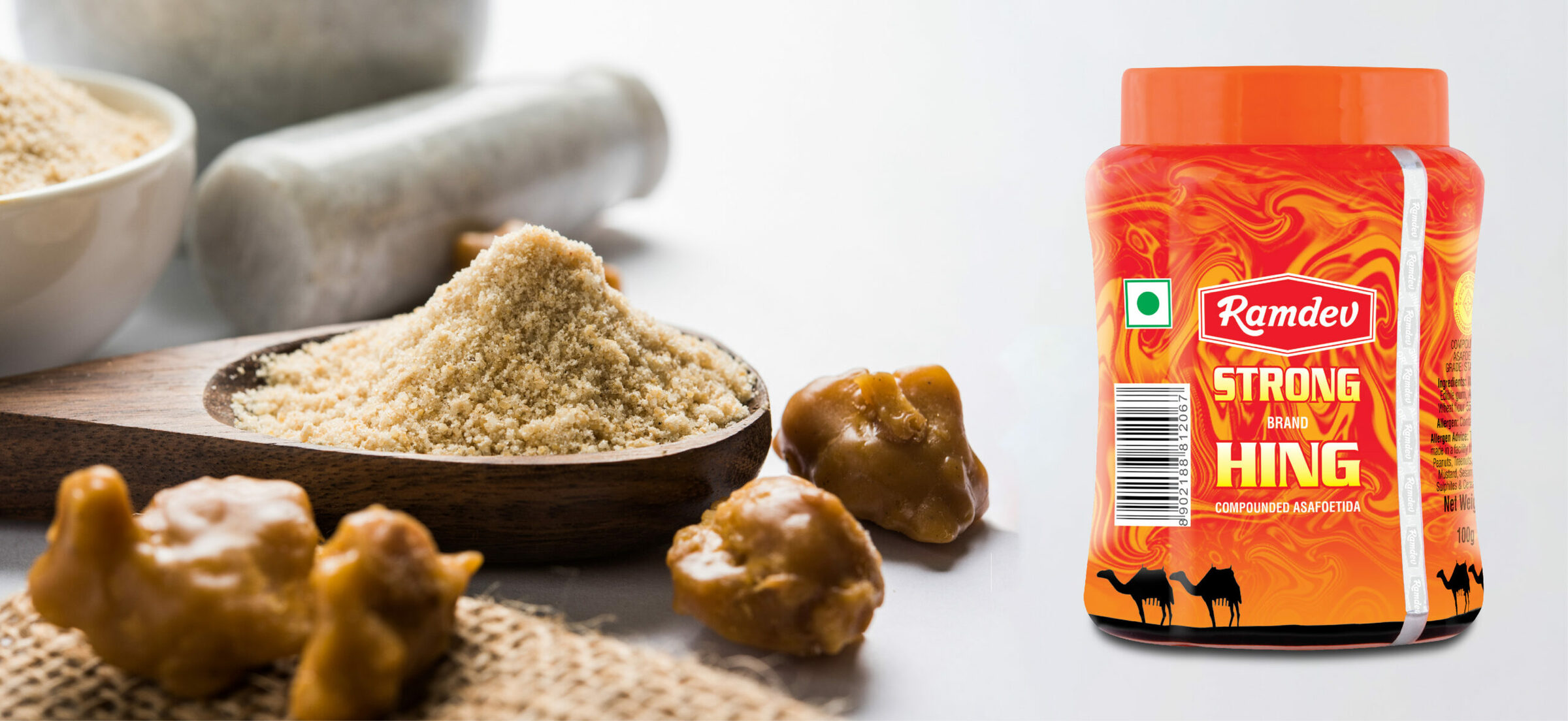 |
Powdered hing is typically pre-packaged in boxes. Photo: Ramdev store
According to food historian Ashish Chopra, the most widely accepted theory suggests that Alexander the Great's army first encountered asafoetida while crossing the Hindu Kush mountains. They mistook the plant for silphium, a rare plant with many similar characteristics. The soldiers brought it to India, only to later discover it was not the plant they were looking for. "Nevertheless, Indians became accustomed to hing, and this spice has remained to this day," Chopra said.
He noted that asafoetida once appeared in ancient Greek and Roman cuisine but did not persist. Today, it has largely disappeared from Western culinary traditions, with the exception of being an ingredient in Worcestershire sauce.
As global culinary trends evolve, many chefs are beginning to substitute hing for onion and garlic in recipes. According to Talwar, hing enhances umami, the rich savory taste characteristic of stews and broths. The concept of umami was originally introduced by Japanese culinary experts but is now recognized as the fifth basic taste, alongside sweet, sour, salty, and bitter.
Beyond its culinary role, asafoetida boasts a history of medicinal and protective uses. According to the US National Library of Medicine, it has long been used in folk medicine as an expectorant, antispasmodic, to aid in eliminating parasites, and is considered a remedy for reducing bloating. In Africa and Jamaica, people once wore amulets containing hing, believing it could ward off evil spirits. During the 1918 Spanish Flu pandemic in the US, many also carried small bags of asafoetida in hopes of preventing illness. Today, due to its unpleasant odor, hing is also used as a pesticide in organic farming.
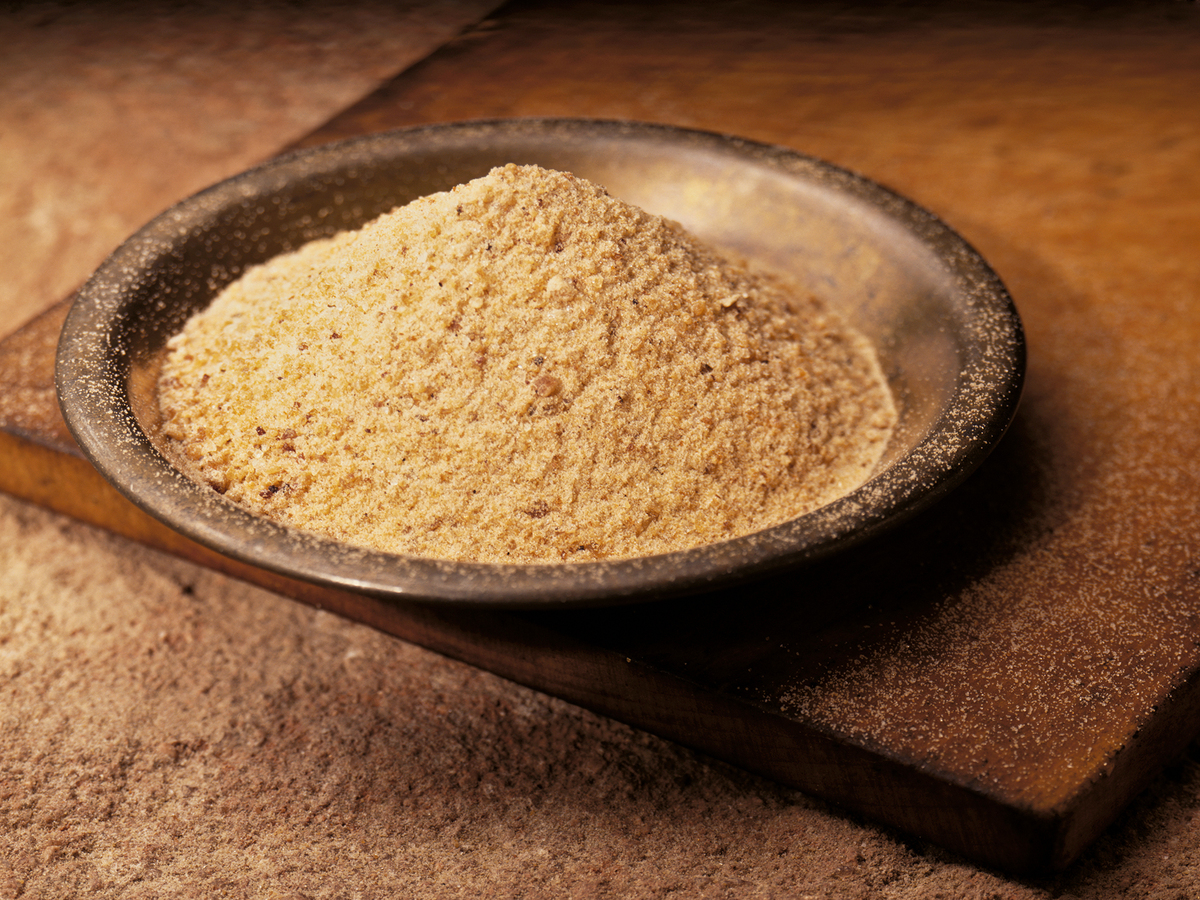 |
Hing spice, a renowned ingredient in India. Photo: Npr
Despite being the world's largest consumer of asafoetida, India previously had to import this ingredient entirely. About three years ago, farmers in the cold desert region of the Himalayas began experimenting with cultivating the plant domestically. The cultivation process for asafoetida is quite slow, but if successful, India could save approximately 100 million USD annually in import costs. More importantly, the people of this country could use a spice that has been integral to their traditional cuisine for centuries, now grown on their own soil for the first time.
Anh Minh (Source: CNN)