On 28/9, Tran Mai Vy, Head of Ben Thanh Market's Commercial Services Department, announced the temporary closure of stall 1044, operated by Nguyen Thi Dieu. Market authorities summoned the stall's owner for a meeting and filed a report.
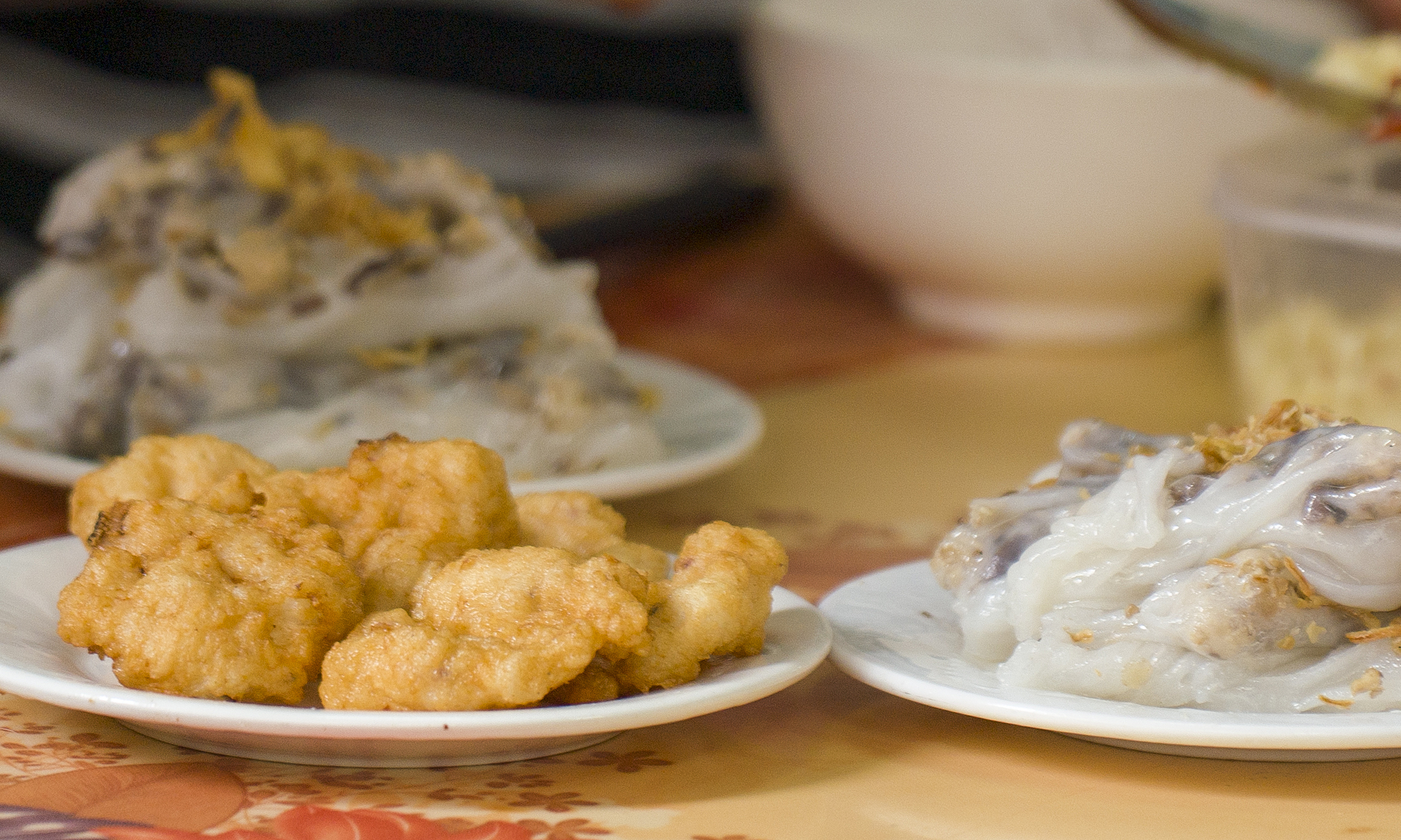
The temporary closure followed a video posted on 25/9 by a user named Trish, which showed numerous insects crawling on food at stall 1044 in Ben Thanh Market. The user stated they discovered the issue while purchasing food and raised concerns about food hygiene.
The video garnered tens of thousands of interactions on social media. Many comments urged authorities to conduct inspections and called on market food stalls to improve food preservation and covering to protect the tourist experience.
Insects crawling on food at a stall in Ben Thanh Market. Video: Trish
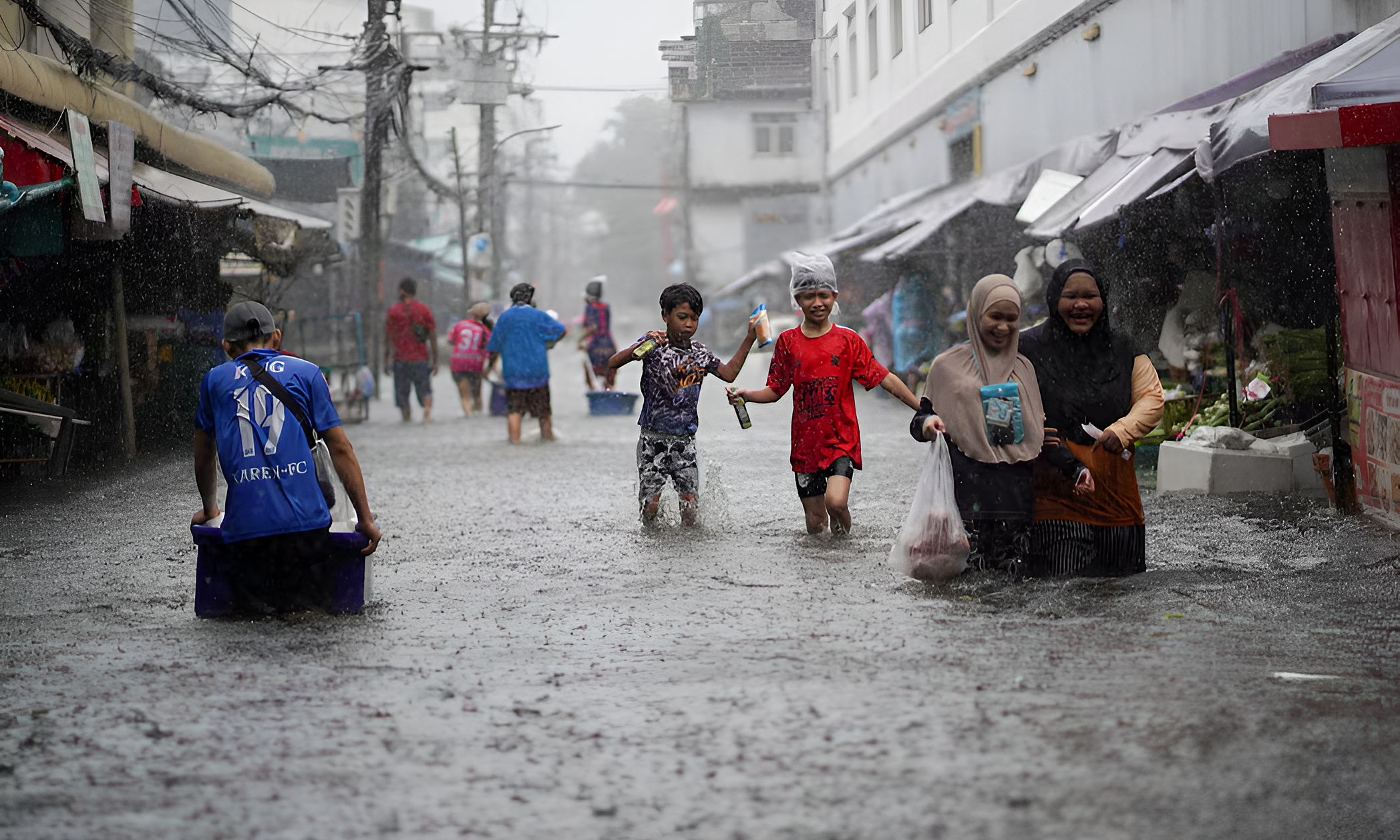
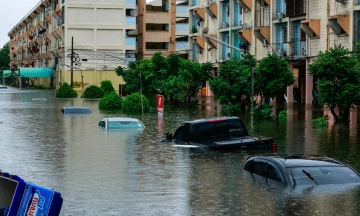
According to Vy, the stall failed to properly cover its food, allowing insects to access it. This incident occurred after a heavy rain on the afternoon of 23/9, which flooded the entire market area, causing cockroaches and other insects to emerge from the drainage system.
"At that time, vendors were preoccupied with preventing leaks and managing the floodwaters, leaving no time to address the insect issue," Vy stated.
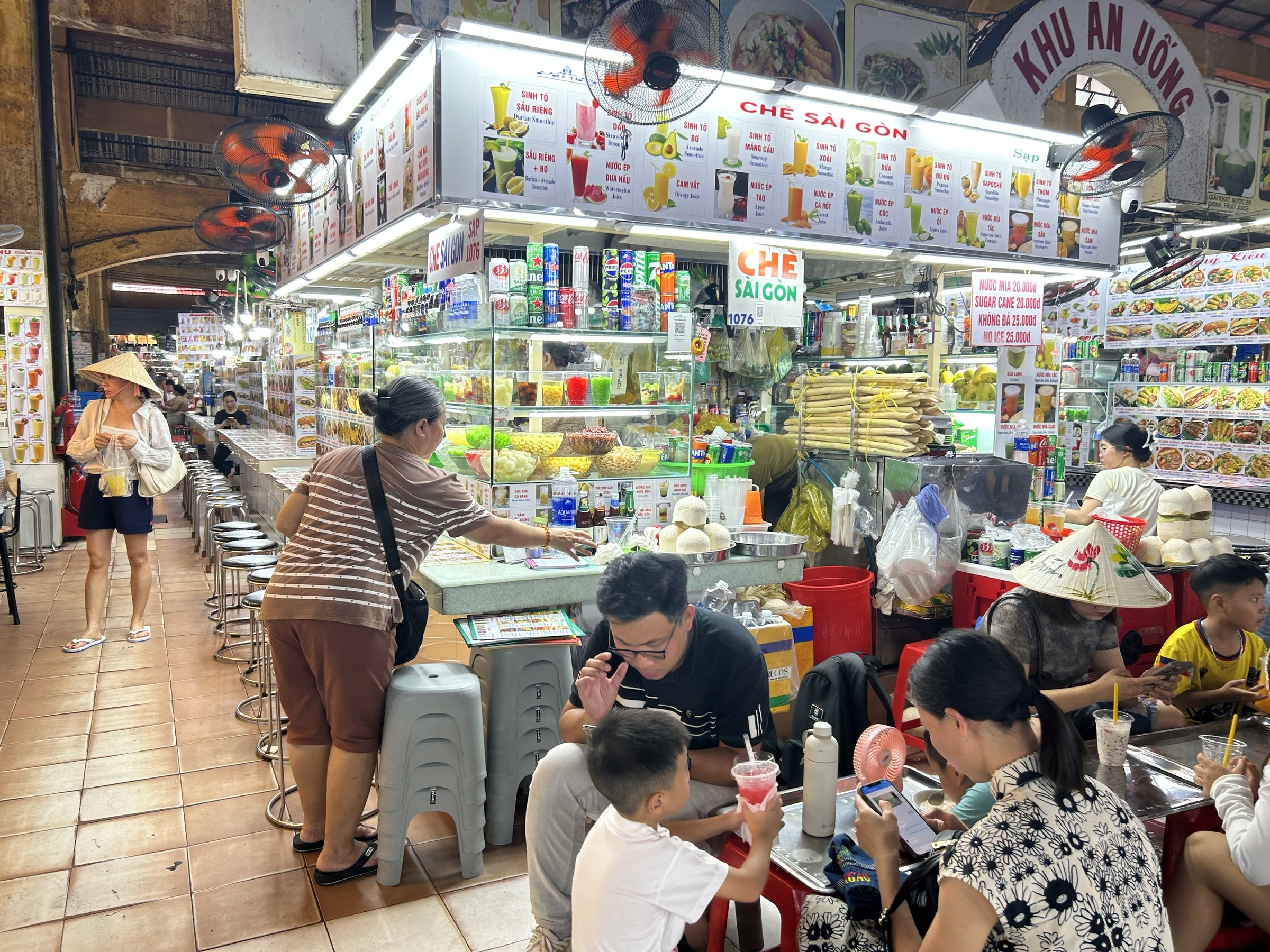 |
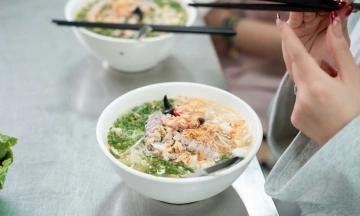
A corner of the food court in Ben Thanh Market. Photo: Tuan Anh
The Management Board explained that the market's sewer system, comprising interconnected large and small lines, links to the external drainage network. During floods, waste and insects can ascend through this system into business areas.
Ben Thanh Market regularly sprays for cockroach extermination, with the last treatment conducted on the evening of 15/9 across the entire market. However, Vy noted that these routine efforts do not prevent insects from external sewer systems from entering during floods.
Established in 1912, Ben Thanh Market spans over 13,000 square meters, bordered by Phan Boi Chau, Phan Chu Trinh, Le Thanh Ton streets, and Quach Thi Trang Square. It stands as a significant attraction for tourists visiting TP HCM, particularly international visitors. Daily, thousands flock to the market for sightseeing, shopping, and culinary experiences.
Tourism experts highlight traditional markets as key destinations for tourists, especially international visitors, to experience local cuisine and daily life. Consequently, hygiene standards at food stalls are crucial, impacting not only food safety but also the destination's overall image.
Experts warn that food hygiene incidents, even isolated to a single stall, can negatively affect tourist experiences if widely shared on social media. Markets must enhance inspections, educate vendors on proper food storage and covering, and establish clear protocols for managing flood situations.
Tuan Anh