At approximately 6:35 on 19/1, 19-year-old Canadian tourist Piper James was found deceased on a beach on K'gari Island, Queensland, Australia. A witness reported seeing about 10 wild dingoes surrounding a girl while driving, prompting them to alert authorities.
Piper and a friend had planned a five-month backpacking trip across Australia, beginning in 10/2025. She secured short-term work at a K'gari hostel. About 75 minutes before her body was found, Piper left the hostel, telling her friend she was going for a swim to watch the sunrise.
The official cause of death is still under investigation. Queensland police noted that the victim's body bore marks "consistent with a dingo attack".
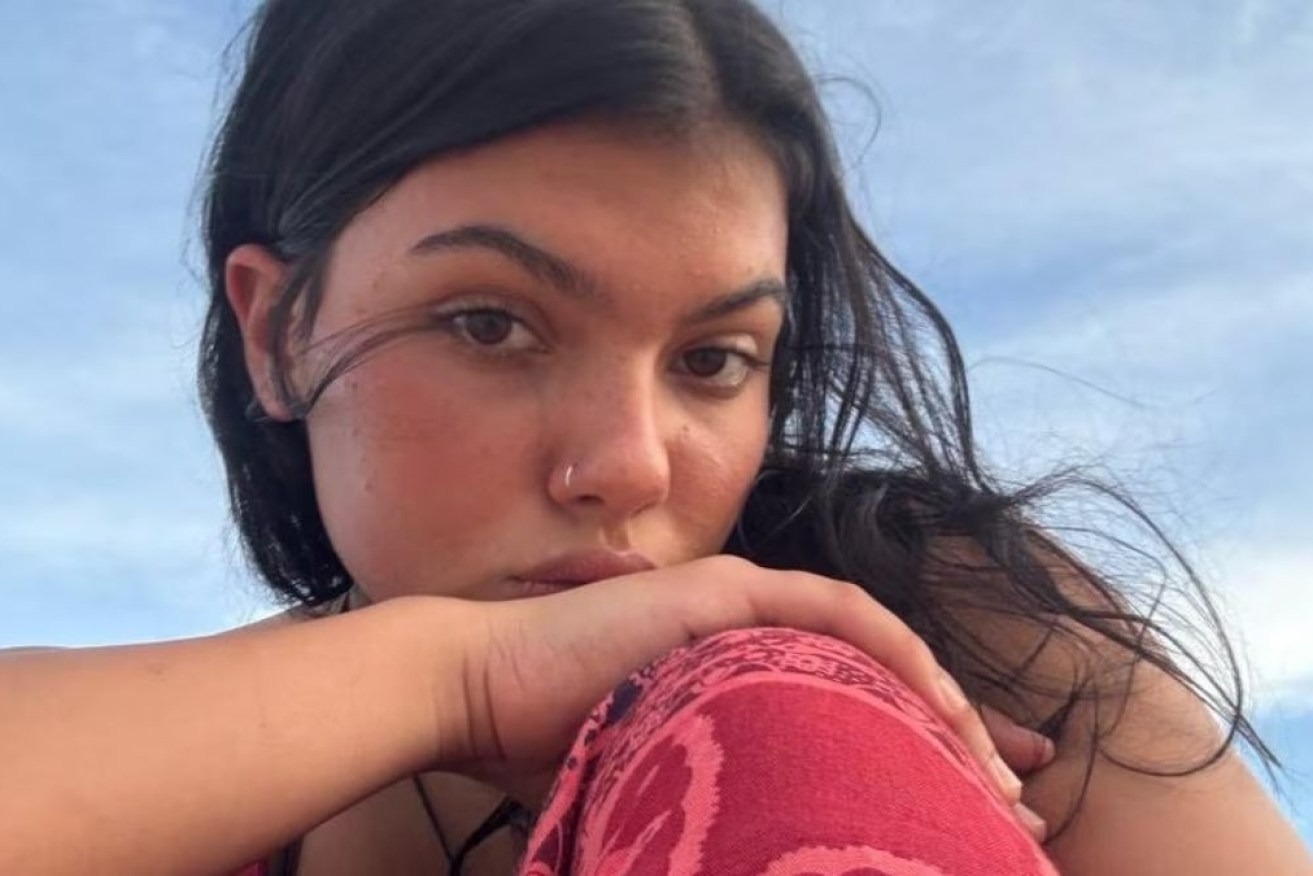 |
Piper before her death. *Photo: Globalnews* |
However, authorities have not ruled out drowning, as the area is known for strong waves and Piper was swimming alone. Forensic investigators are examining wounds and DNA evidence to pinpoint the exact cause. A source indicated that police "are not ruling out the possibility that Piper was attacked by dingoes after becoming unconscious or drowning".
Angela James, Piper James' mother, stated that her daughter "always dreamed of traveling" from a young age. Piper had purchased a round-trip ticket for her Australia trip, planning to return next March. Before her departure, the family had cautioned her about the island's risks, specifically advising her "not to swim alone".
"She broke the rules and lost her life. She was our only daughter," her mother stated.
On his personal page, Todd James, the victim's father, also posted a tribute to his daughter. He recalled Piper stating before her trip that she was 18 and no one could stop her. Impressed by her determination, Mr. Todd agreed.
"You worked hard to play hard. Rest in peace, my love," Piper's father wrote.
Friends described Piper as someone who "loved life, nature, and dogs, and was an excellent swimmer." She always smiled brightly and inspired those around her. Previously, Piper worked at the BC Wildfire Service to save money for travel.
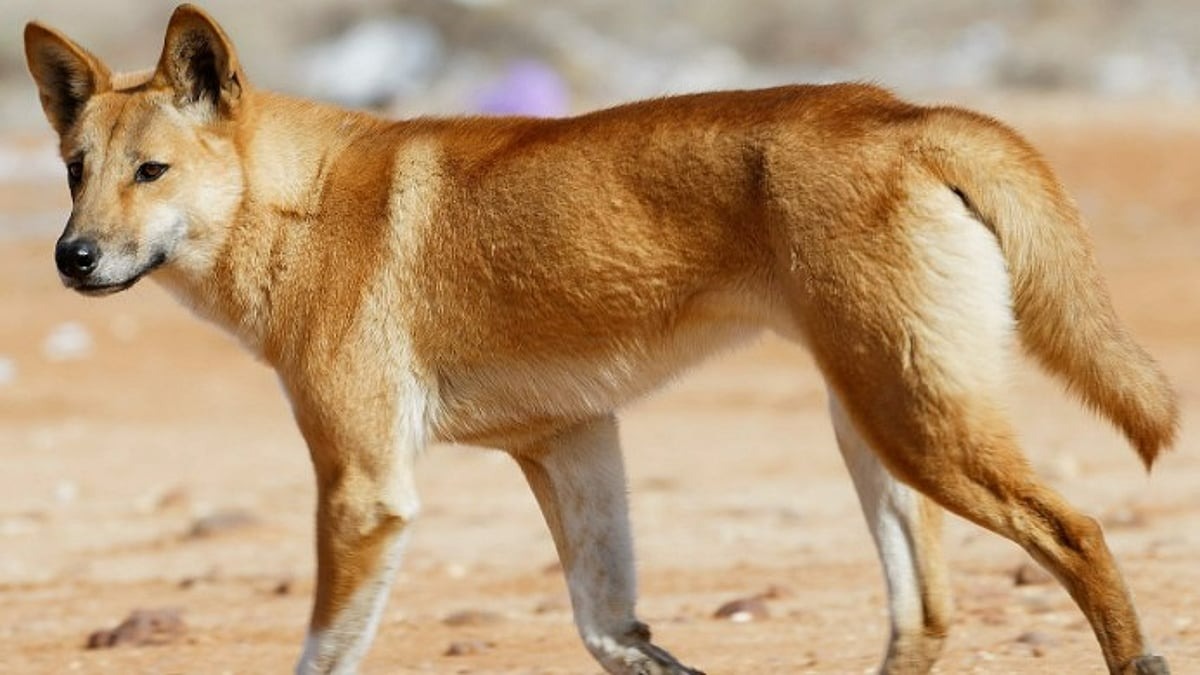 |
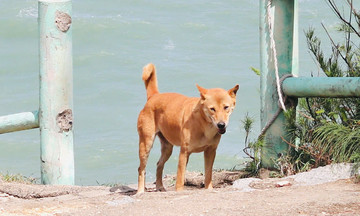
A dingo in Australia. *Photo: Asset* |
K'gari, the world's largest sand island, is located off the Queensland coast and has been a UNESCO World Heritage site since 1992. Covering approximately 1,653 km2, the island is known for its diverse ecosystem, which includes tropical rainforests, freshwater lakes, beaches, lagoons, and shifting sand dunes shaped by the wind. It is a popular backpacking destination, attracting around 400,000 visitors each year.
On K'gari, dingoes are legally protected as a purebred native species, exhibiting less interbreeding with domestic dogs compared to their mainland counterparts. They play a vital ecological role by controlling other animal populations and maintaining ecosystem balance, recognized as apex predators. Dingoes were introduced to Australia 3,500-4,000 years ago and are currently the largest wild dogs in the country. As omnivores, they hunt small animals, scavenge carcasses, and consume fish, sea turtles, and occasionally human food.
Dingo attacks on humans do occur, with the most famous being the Azaria Chamberlain case in 8/1980. Nine-week-old Azaria Chantel Loren Chamberlain disappeared from her family's tent while her parents, Lindy and Michael, were camping with their two older sons. Her mother recounted that a dingo took her daughter, and Azaria's body has never been found.
Initially, Lindy was accused of murdering her daughter and received a life sentence in 1982. In 1986, Azaria's jacket was discovered near a dingo den, leading to Lindy's release. In 2021, following the fourth inquest, forensic investigators officially concluded that Azaria was attacked and taken by a dingo, corroborating the family's original account.
By Hoai Anh (Sources: Globalnews, Guardian)