In Hangzhou, China, Lvxing Base, an immersive natural disaster simulation center, has welcomed over 160,000 visitors since its opening in September 2024. Ticket prices range from 900 to 5,000 yuan (3.5 to 19.5 million dong), depending on the package and number of participants. The center offers experiences from storms and flash floods to wilderness survival. Its simulation space can generate winds up to 165 km/h. For safety, participants wear thermal gear and protective helmets, and guides trained in rescue and disaster response are always present to assist any overwhelmed individuals.
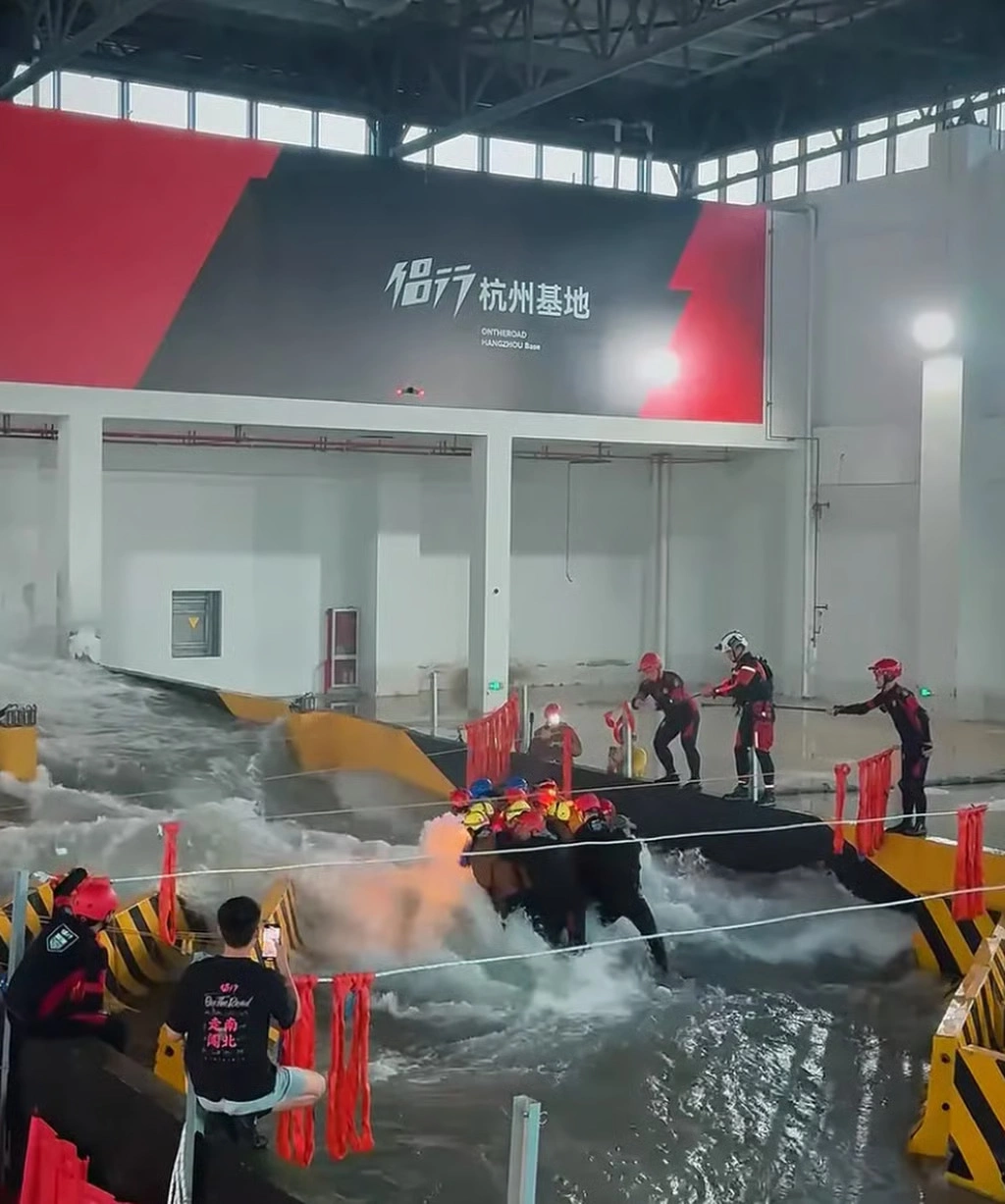 |
Tourists experience a simulated storm and flood tour in China. *Photo: QQ*
Xiaofei, who grew up in a coastal city, had never experienced a storm or flood. She participated in the urban flooding simulation, where she experienced water rising to her neck in an underground parking garage. "The suffocating fear made me forget I was only in a disaster simulation", she recounted. The flash flood simulation was more intense, with the current sweeping Xiaofei into a concrete pillar, bruising her leg. Her group, primarily foreign visitors, instinctively helped each other, allowing her to clearly feel the spirit of mutual aid among strangers.
Experts suggest that part of this activity's appeal lies in participants confronting situations that feel dangerous but remain within their control and are surmountable. Zhang Yong, a professor of social work at Wuhan University of Science and Technology, notes that directly testing one's coping abilities can attract individuals living in highly competitive environments and facing many variables.
The idea for Lvxing Base originated from the experiences of its founders, husband and wife Zhang Xinyu and Liang Hong. In 2012, they explored volcanoes, the Chernobyl exclusion zone, Middle Eastern battlefields, and traveled by icebreaker to the Arctic. The couple developed a survival education program to provide practical skills and raise awareness of respecting nature.
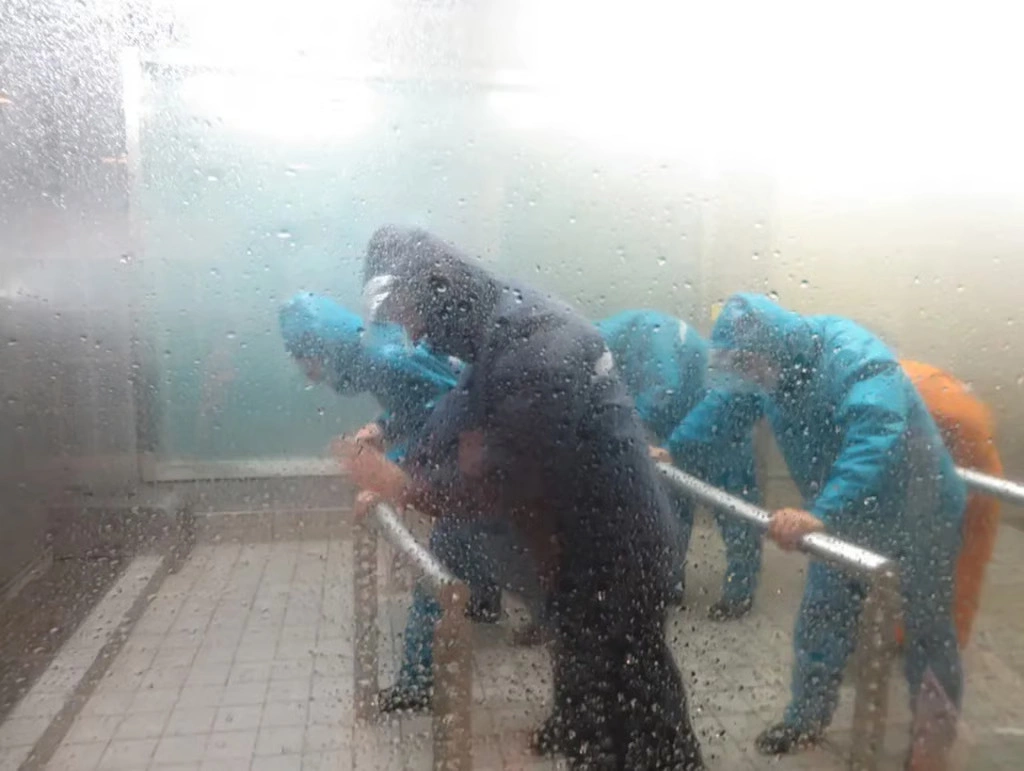 |
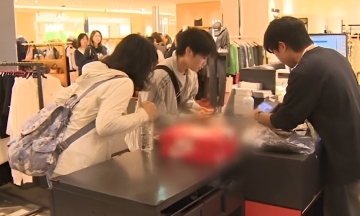
A disaster simulation experience center in Japan. *Photo: QQ*
While some consider this a useful model, many believe that turning natural disasters into entertainment "trivializes the losses of those who truly experienced them." Experience models like Lvxing Base are part of the "dark tourism" trend, or tourism associated with loss. This activity has a history spanning centuries, exemplified by public executions that attracted large crowds in 17th-century England. In recent years, "dark tourism" has grown in many parts of Asia, but this increase has also sparked ethical debate. China features many free "dark tourism" sites, such as memorials related to the 2008 Sichuan earthquake and the Nanjing Massacre. Unlike commercial simulation centers, these locations are linked to real loss and collective memory.
By Mai Phuong (Source: SCMP)