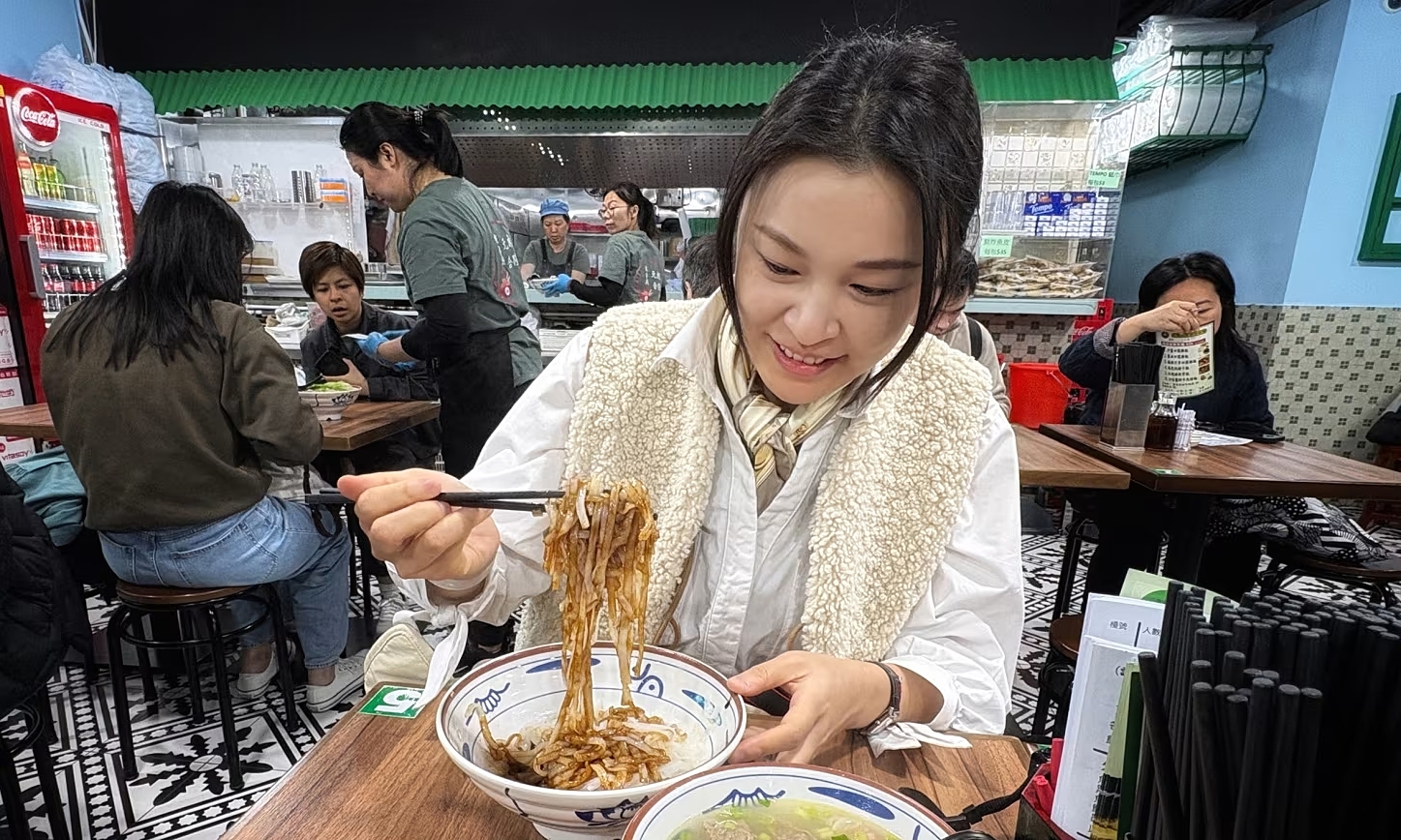
Tuan Anh, a tourist from Ho Chi Minh City, visited Hanoi in August 2025 and discovered a bun rieu eatery on Hang Luoc Street through social media reviews. He found the food quality excellent, with various side dishes that suited southern Vietnamese tastes. Recently, he learned that the bun rieu eatery he frequented was criticized by a Chinese tourist for being "dirty like torture" and was forced to suspend operations until it met food safety and hygiene regulations.
"If I return to Hanoi, I would still eat there because it suits my taste. Speaking of dirtiness, many other places are even less hygienic, yet they are still packed with customers", he said, adding that one should be "lenient" if choosing to eat out.
Tuan Anh is not alone in this view. When news of the bun rieu eatery's penalty broke, many regulars confirmed it was "dirty but still delicious". Minh Hang, a Hanoi resident, eats at this establishment three to four times each month. She noted that most small eateries in Hanoi, especially in the Old Quarter, do not ensure hygiene but remain full because their flavors win over diners.
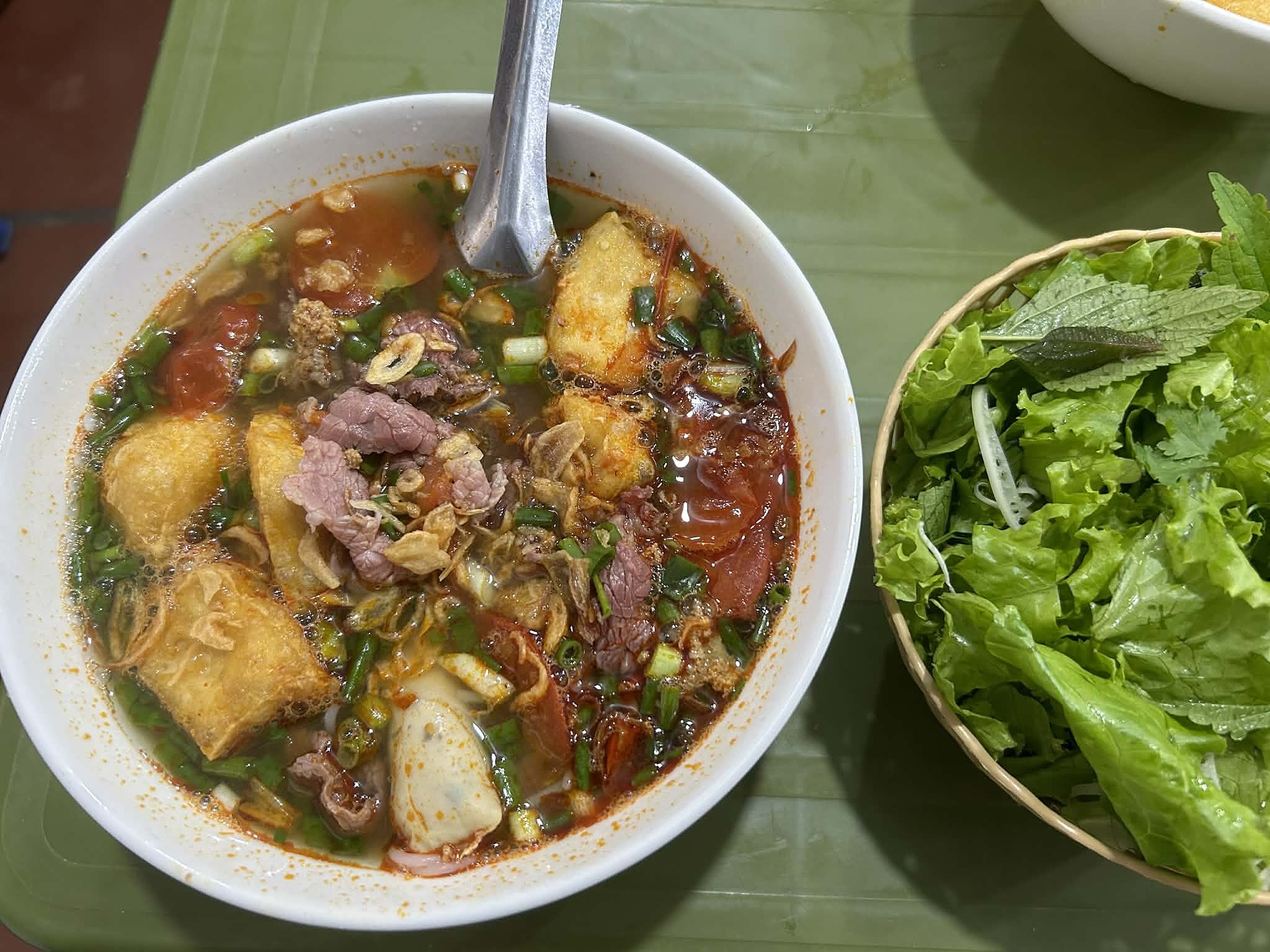 |
A bowl of bun rieu at the eatery penalized on 5/3. Photo: Tuan Anh
Van Hung, also a Hanoi resident, said he was a regular at a bun rieu eatery but stopped going over 4 years ago after finding a cockroach in his food. However, Hung still eats street food where bowls and chopsticks are dried directly on the street, considering it an "acceptable threshold".
Bui Chi Thanh, the third-generation owner of Pho Thin Bo Ho, explained that the old eatery on Dinh Tien Hoang Street appeared unkempt because it was located in an alley, making hygiene difficult to maintain. This is a common issue for many establishments in the Old Quarter, where owners often operate in an old-fashioned way, focusing solely on maintaining food quality.
Since relocating the eatery to Hang Voi Street, Thanh has invested over 100 million dong in food safety and hygiene solutions. These include an industrial dishwasher costing over 60 million dong and a grease trap system, which processes wastewater by separating excess oil, grease, and solid waste before it enters the main drainage. The pho eatery owner noted that the younger generation of customers demands higher standards; in addition to the quality of the pho, the space must also be clean to provide a sense of security.
However, Thanh believes that investing in hygiene solutions for Old Quarter eateries, which typically have small spaces and high rental costs, presents a significant financial burden. Consequently, many owners choose to forgo such investments.
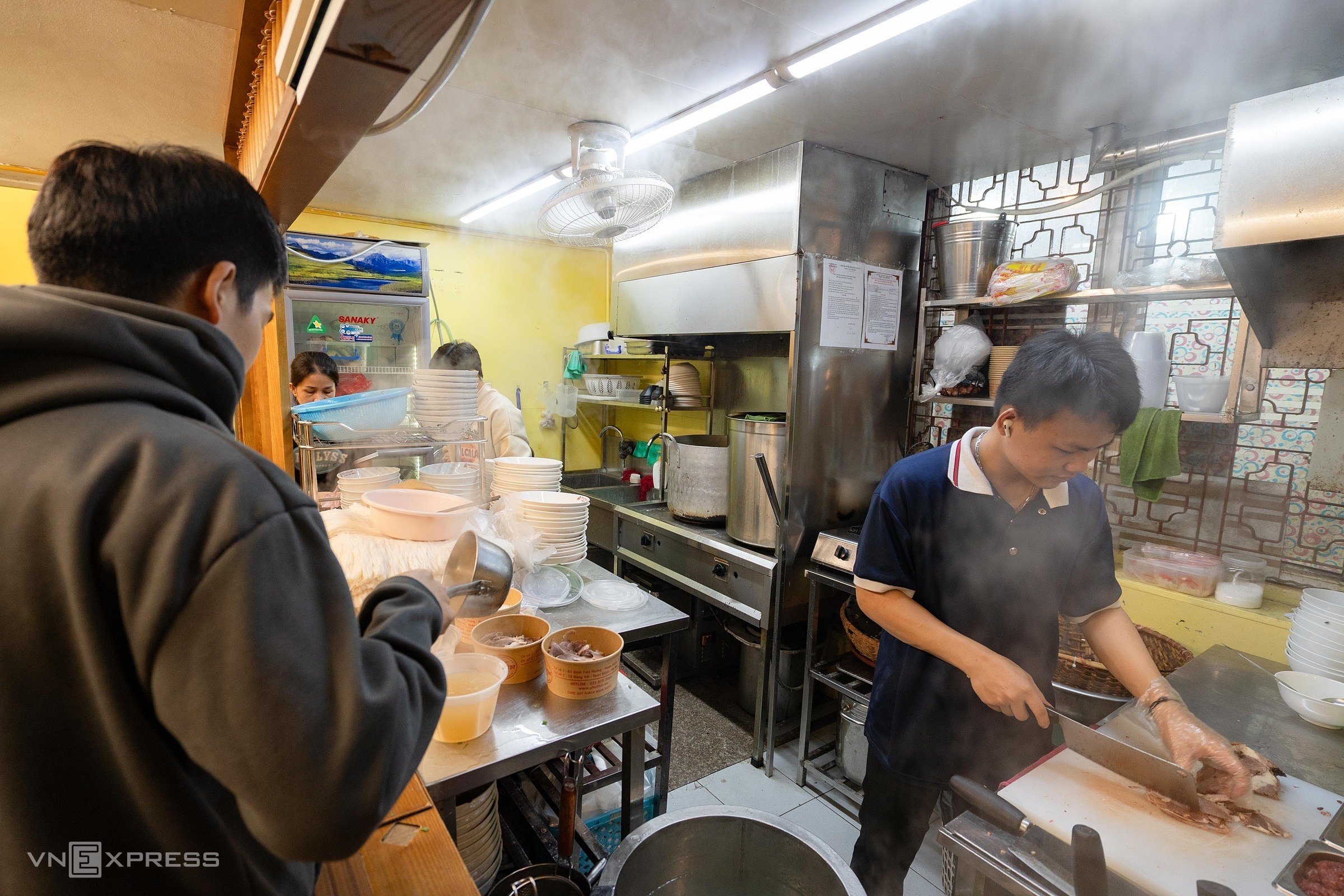 |
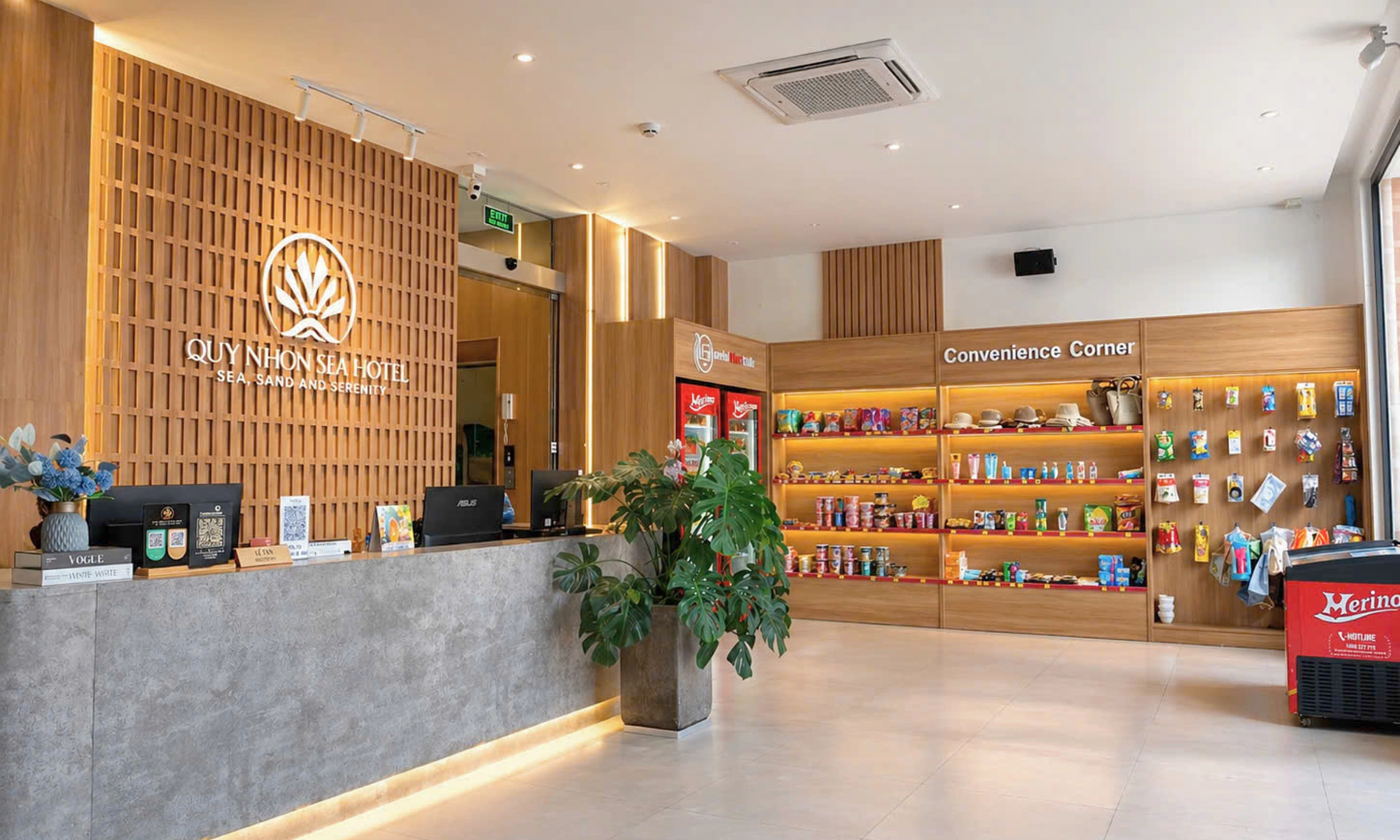
The new Pho Thin Bo Ho space, November 2025. Photo: Hoang Giang
According to Hoang Minh, owner of a small restaurant in Hoan Kiem Ward that primarily serves foreign customers, Vietnamese patrons prioritize the taste of food, making them more likely to overlook hygiene issues.
Minh assessed that restaurants generally find it easier to implement food safety and hygiene standards compared to smaller eateries. He has long avoided eating out because he has witnessed many vendors disregard hygiene. "I once saw a vendor pick up a plastic cup discarded by a previous customer, rinse it, and then reuse it for the next customer", he recounted.
Observations indicate that famous eateries in Hanoi's Old Quarter often have greasy, dirty floors due to infrequent cleaning by staff. Customers also tend to throw paper and trash on the floor rather than into bins under tables. A prominent eatery owner stated that, on average, they use 10 kg of paper napkins each week because of customers' "indiscriminate use". Additionally, the large volume of customers means staff cannot clean quickly enough, leading to soiled, sticky floors.
Hung Kuma, an F&B expert with 22 years of experience, asserted that the popularity of unhygienic eateries does not guarantee food quality. This situation persists due to long-standing habits of both owners and diners within society.
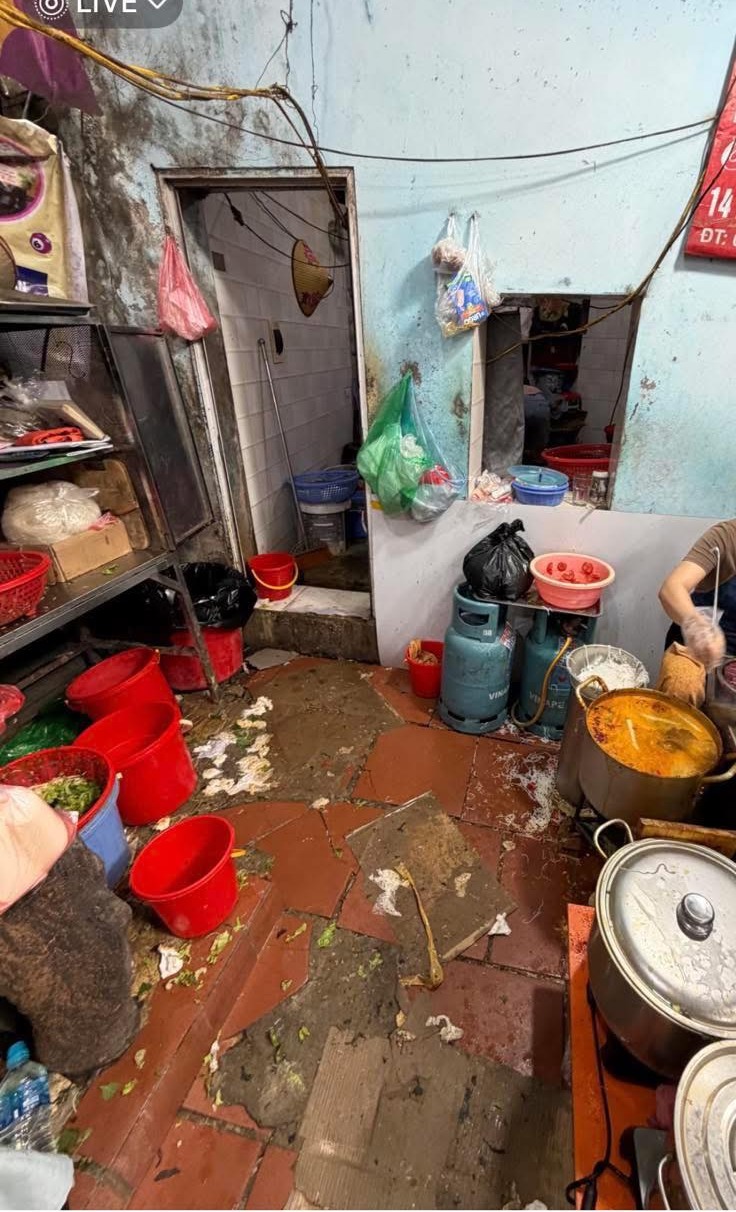 |
The Hang Luoc bun rieu eatery as posted by a Chinese tourist on social media on 3/3. Photo: Tieu Hong Thu
The expert identified three main reasons for this situation: First, Vietnamese customer expectations are not yet high, and there is no specific definition of service hygiene standards. When diners accept eating in unkempt environments, owners lack motivation to change or improve. Second, business owners themselves are unwilling to enhance service value, often blaming the high volume of customers to justify their sloppy practices. Finally, the management and supervision by authorities over street food models are not sufficiently strict or effective.
From a financial perspective, Hung argued that the cost of upgrading an eatery to basic hygiene standards does not significantly impact profits; the core issue lies in awareness. Street food in countries like Japan and Singapore remains clean despite being affordable.
"Customers are tolerating the lack of hygiene in eateries. I feel ashamed when a foreign tourist reacts to a famous eatery in such a way", he stated, adding that the unsanitary conditions at famous eateries in Vietnam are an alarming problem.
Tu Nguyen