While frequent flyers may be familiar with flight attendants or pilots using certain announcements, some codes carry more serious implications. According to experts from the travel guide Wander, hearing "Code 300" or "Angel" could indicate a passenger has died onboard.
Jason Martinelli, CEO of private jet charter company Cirrus Aviation Services, states these terms are often used by commercial airlines to discreetly signal a medical emergency onboard. Such situations include passengers becoming unresponsive, unconscious, or critically ill. He notes, however, each airline typically has its own operating procedures and internal code system for handling such situations. "Code 300" or "Angel" are not universally standardized across the industry.
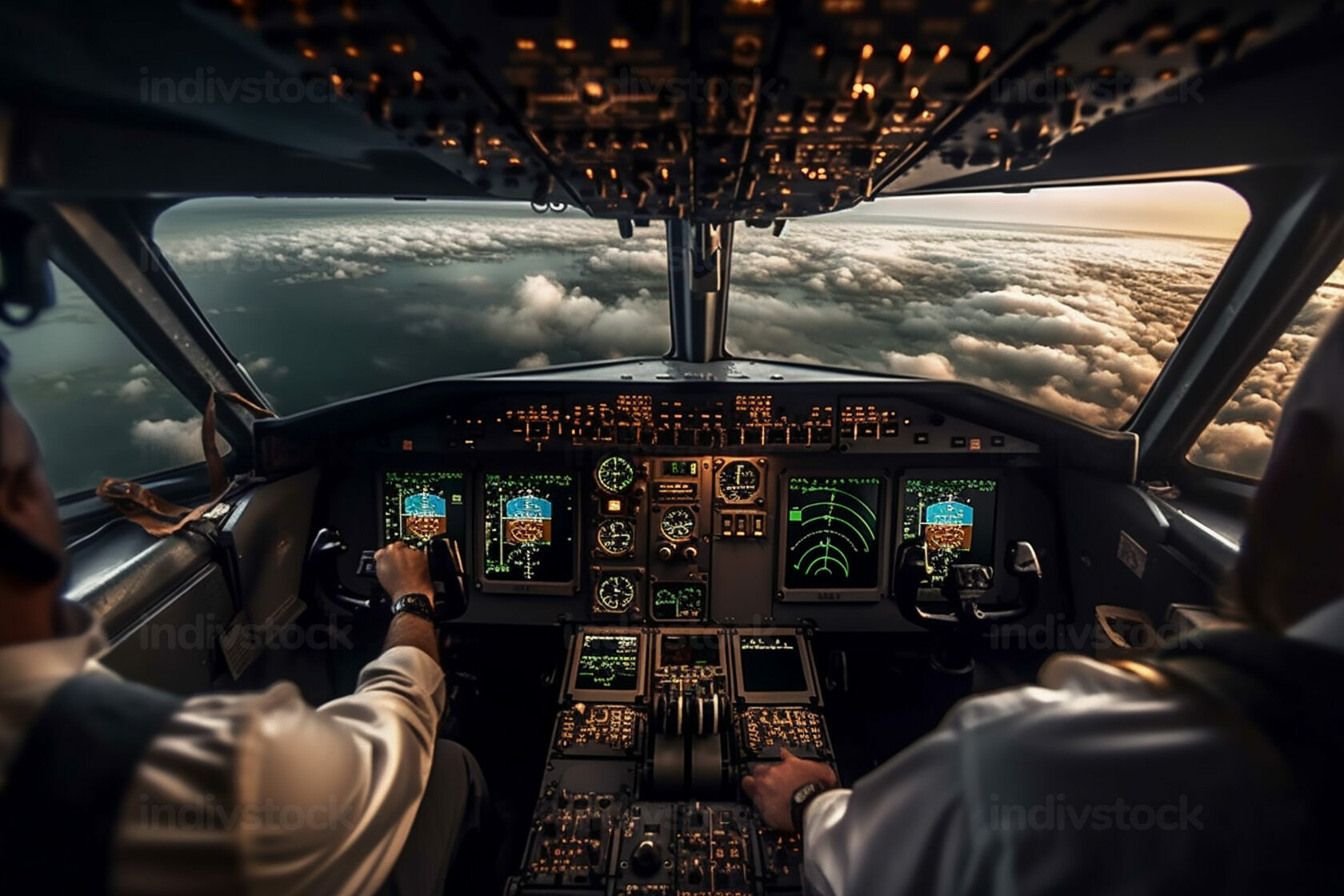 |
Inside a commercial aircraft cockpit. Photo: Ar.inspiredpencil.
Other codes include: "Code Yellow" for minor medical incidents; "Pan-pan" for serious emergencies not immediately life-threatening; and "Mermaid," which refers to passengers intentionally stretching across multiple empty seats to claim an entire row.
According to Martinelli, a pilot with over 30 nam of experience, flight crews use these codes to avoid unnecessary panic or anxiety among passengers. Using codes allows flight attendants and pilots to coordinate responses calmly and efficiently, maintaining a stable cabin environment. However, Martinelli also stresses the use of these codes is not a mandatory rule for all pilots or crew members.
David Cox, Director of Acron Aviation Academy in My, who has flown for airlines for over 30 nam, is unfamiliar with pilots using codes over the aircraft's public address (PA) system to communicate with flight attendants. "Even after the 11/9 terrorist attacks, we did not have a standard set of codes or phrases used over the public address system," Cox adds. Nevertheless, according to Cox, flight crews still have other discreet communication methods during a flight.
Pilots primarily use bell signals to inform flight attendants about various situations. Passengers often hear chimes when the aircraft passes 3.000 m in altitude, prepares for landing, or when asked to remain seated. In emergencies, pilots use multiple consecutive chimes to signal. "We also have specific knocking patterns on the cockpit door for flight attendants to recognize and enter the cockpit to discuss particular situations," he adds.
By Anh Minh (Source: Travel & Leisure)