 |
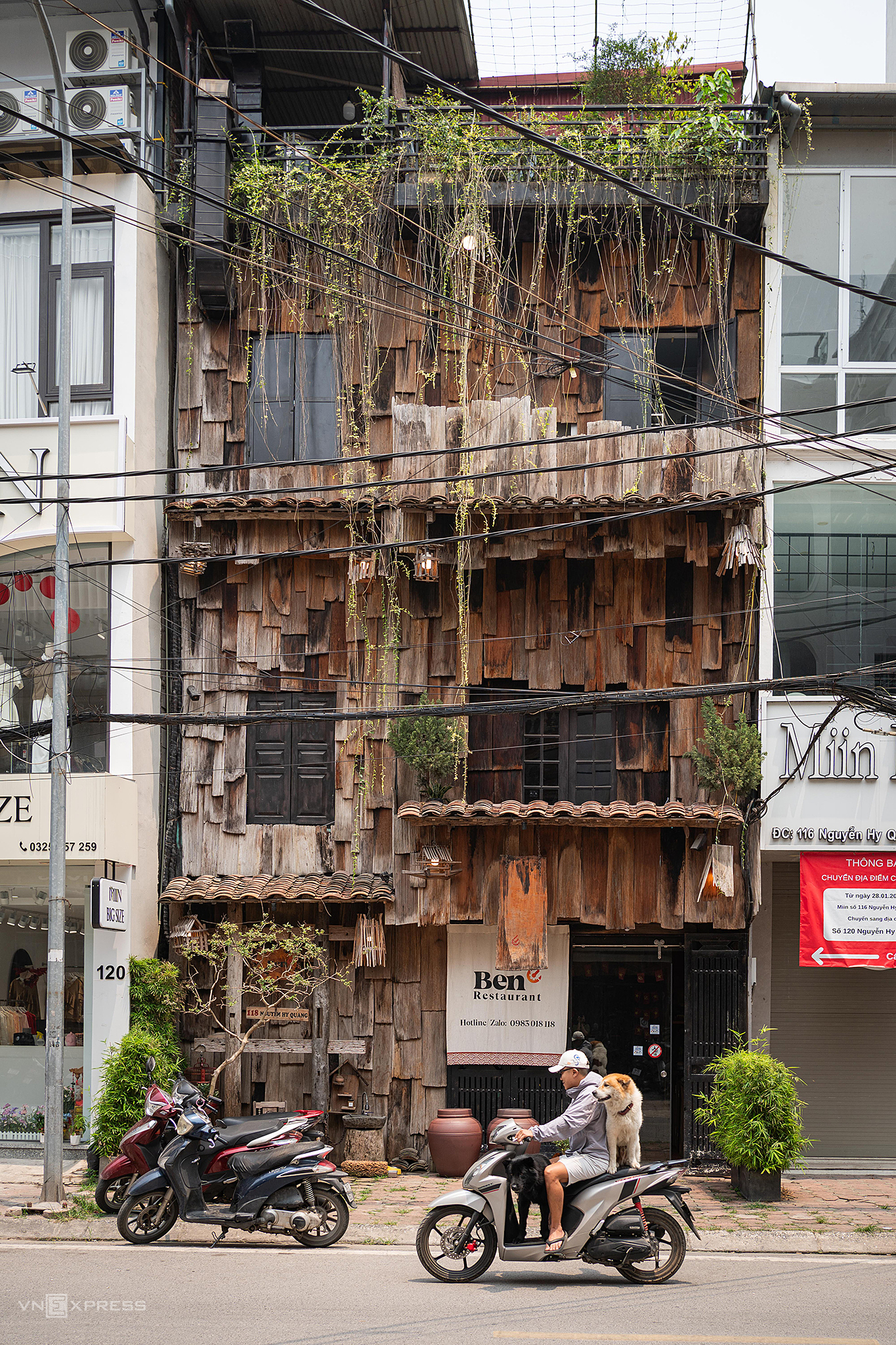
Nestled among fashion boutiques on Nguyen Huy Quang street, Dong Da ward, Ben restaurant is a destination for loyal patrons or those who discover it through word-of-mouth, rather than advertising. The establishment operates without a menu, requiring diners to place their full trust in the owner and chef.
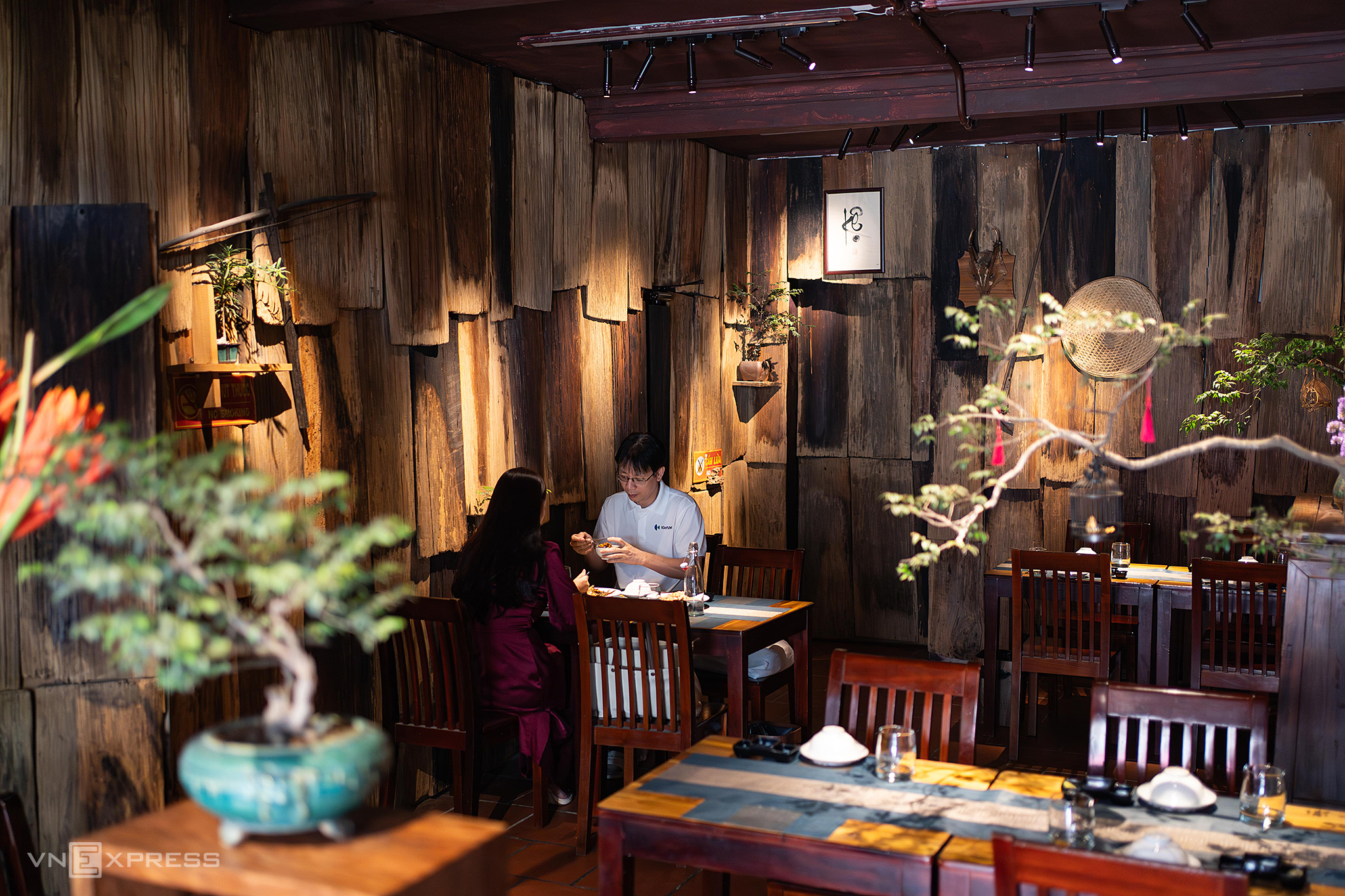 |
Covering an area of about 80 square meters, the restaurant features four tables with a total of 20 seats. Groups of fewer than 10 guests are accommodated in a private room, while parties of 15 or more can reserve the entire space.
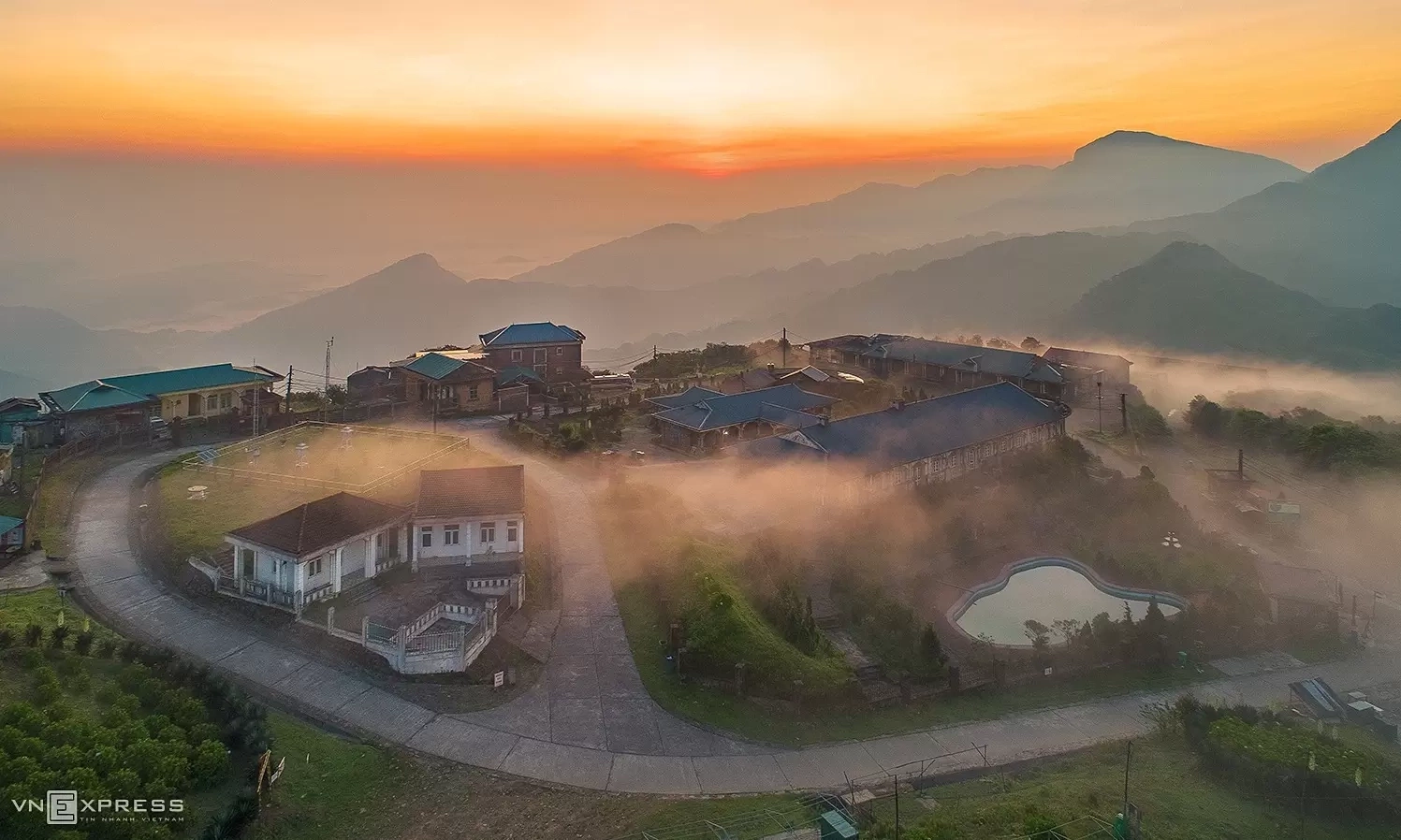
The owner, having lived and worked for many years in the northern mountains, has infused the restaurant's ambiance and cuisine with a distinct highland style. Ingredients are transported daily from provinces such as Cao Bang, Lang Son, Bac Kan, and Yen Bai.
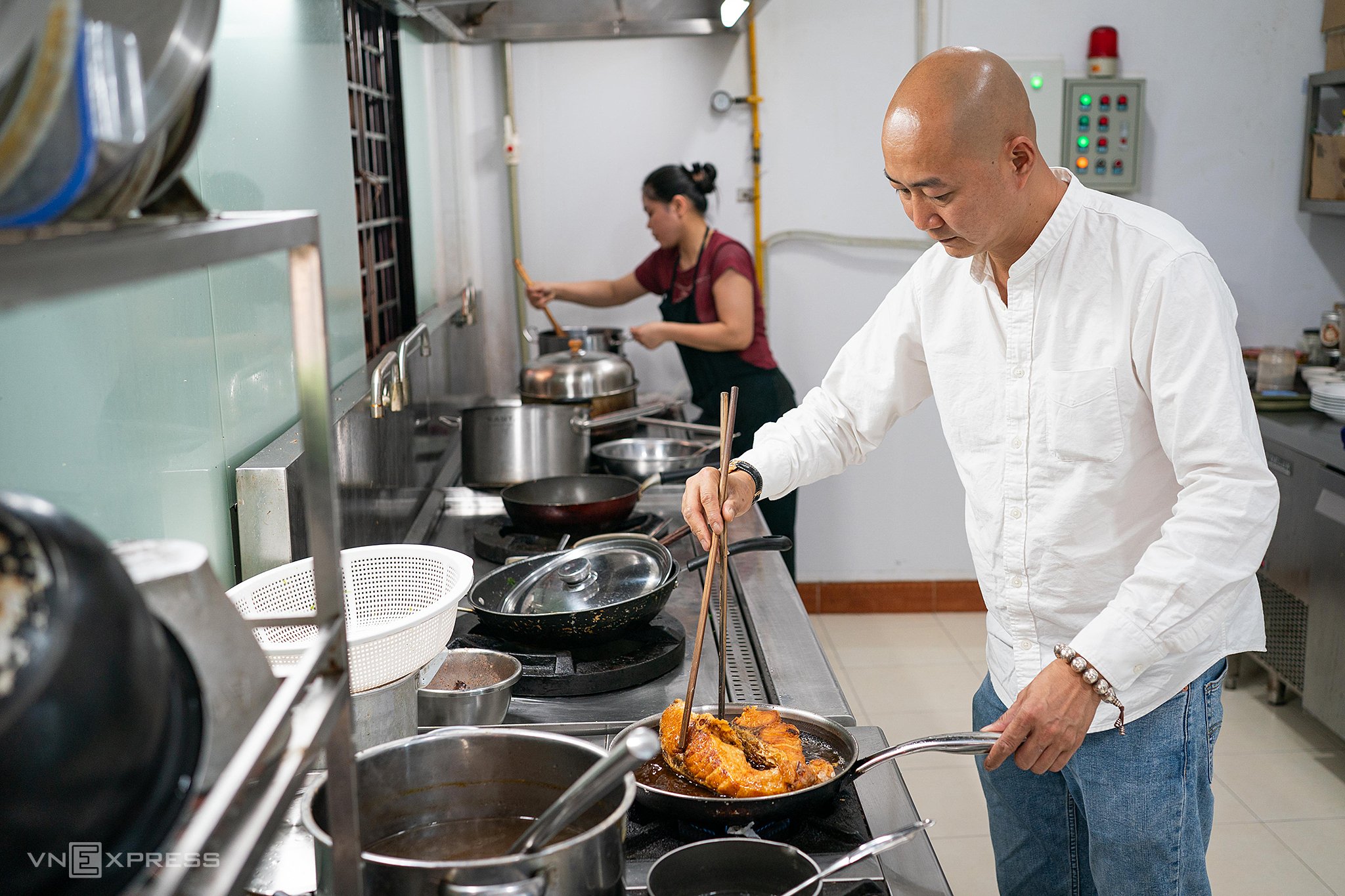 |
Nguyen Phuong and his associates established the restaurant in 2013, initially as a high-earning street food vendor. After a two-year hiatus due to the pandemic, the establishment resumed operations in 2023 as a full-fledged restaurant. The founding team focuses on ingredient quality to elevate culinary standards.
The restaurant's food sources are freshly acquired each day. The chef decides the day's menu based on the ingredients received every morning. The preparation is simple to ensure the freshest and most flavorful dishes.
On her third visit to the restaurant, An Phuong, from Hanoi, stated that this model aligns with her preference for clean eating and novel experiences. "I come and eat by faith, just like the word 'Ke' (Let it be/Whatever) displayed in the restaurant", she remarked.
Other diners also shared that the element of surprise is a unique draw of Ben. However, Nguyen Phuong acknowledged that this service style is not suitable for those who wish to know their meal details in advance.
"I am happy that about 8 out of 10 customers are satisfied", the owner shared.
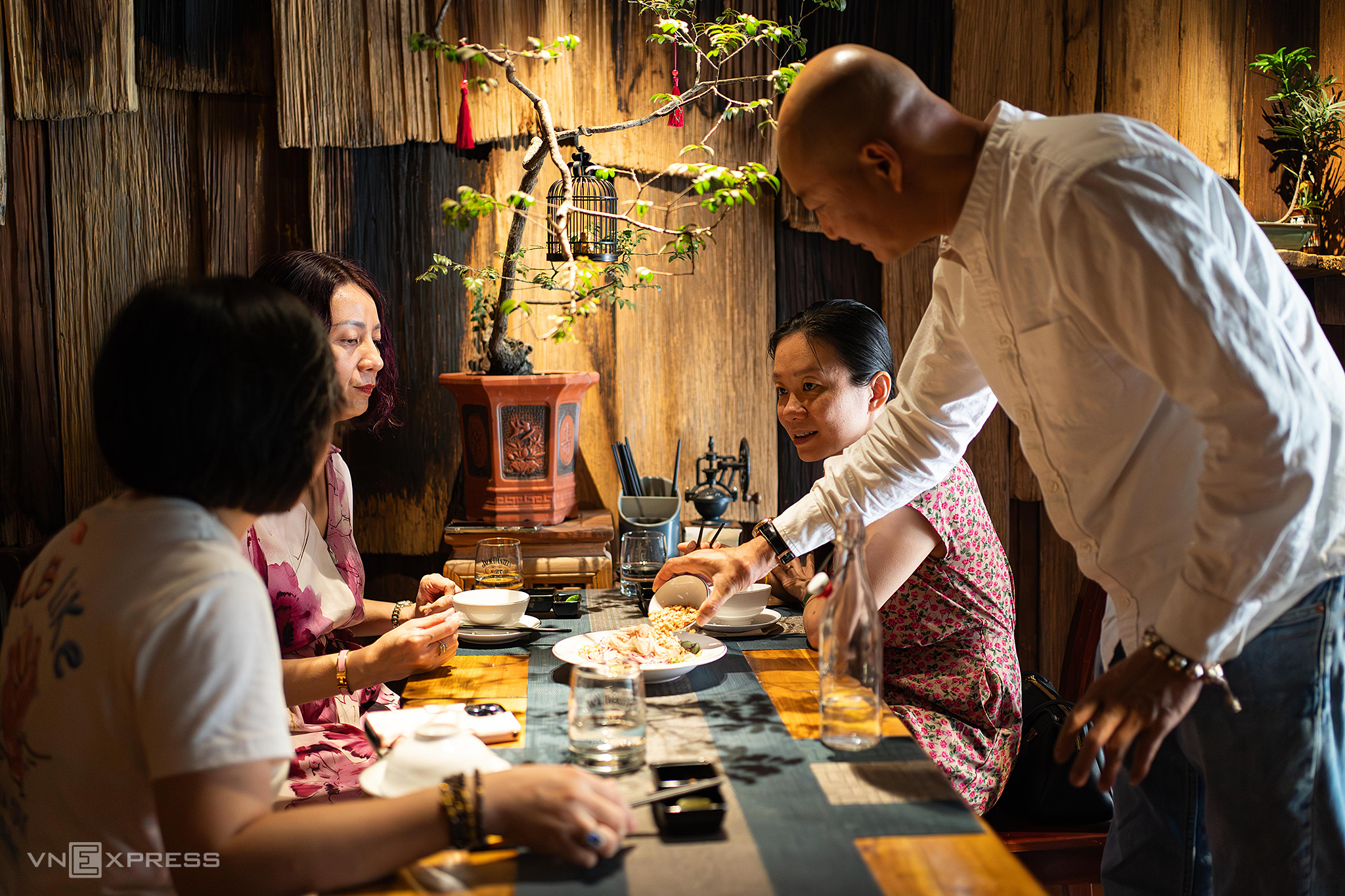 |
Diners are served a multi-course meal, typically beginning with an appetizer, followed by a main course, and concluding with dessert. A group of two receives a 7-dish menu, while larger groups are served eight to 10 dishes. Each person's portion, approximately 400-500 grams, ensures a balanced mix of vegetables, meat, fish, and carbohydrates.
"This calculation helps avoid food waste. I often remember special requests or regular customers to avoid serving the same dishes", Nguyen Phuong explained.
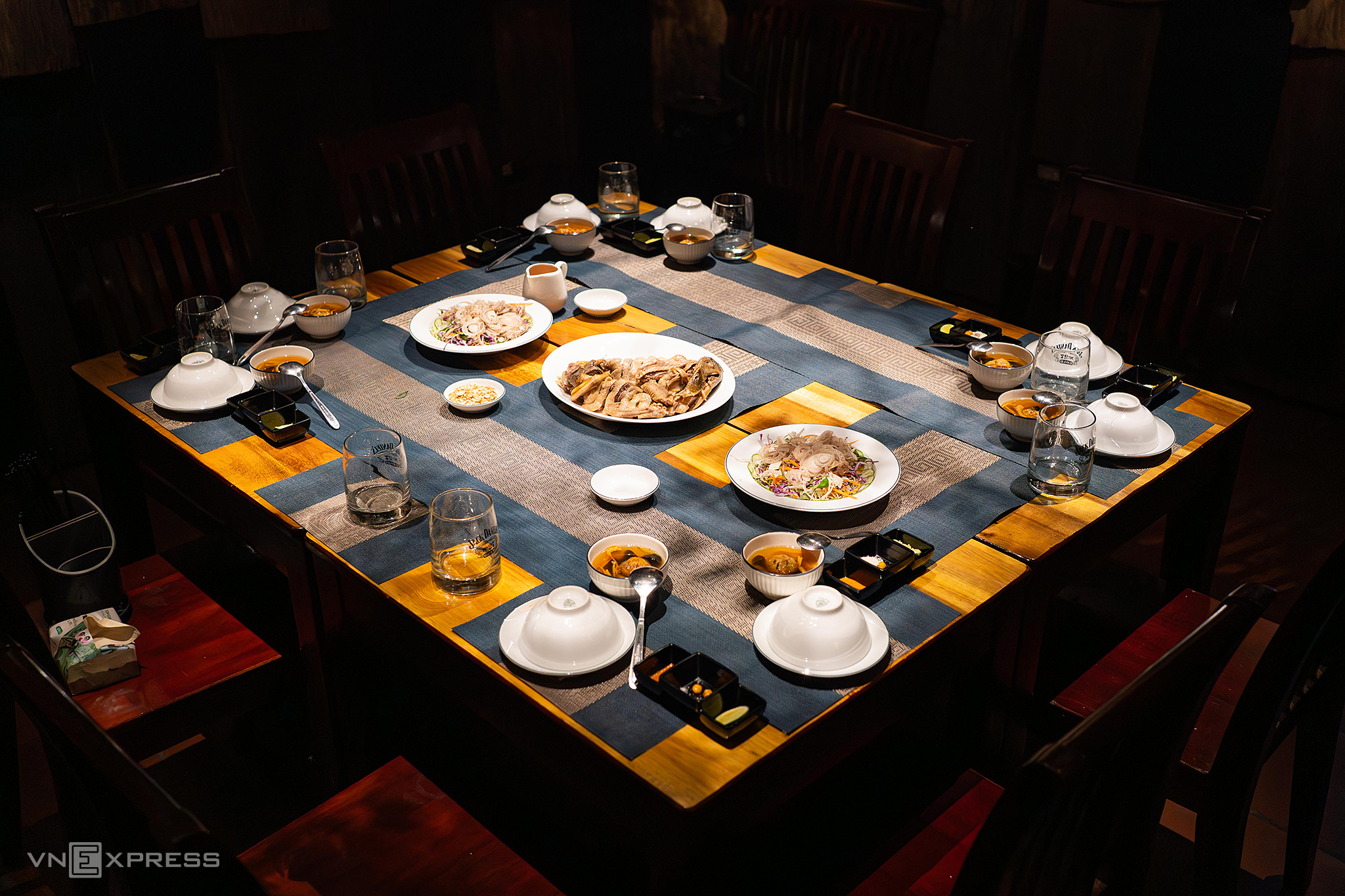 |
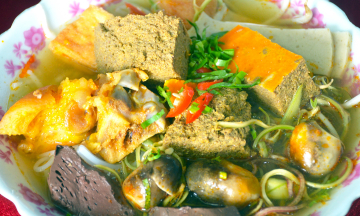
The menu items often feature unique regional specialties: black glutinous rice (made with Tu Le sticky rice and Cao Bang black canarium), appetizer soup (prepared with traditional herbs and meatballs from Yen Bai black pig), and salad (featuring wild banana stem and Trung Khanh - Cao Bang cabbage).
Since transitioning its business model, the restaurant has endured 19 difficult months, including eight months where revenue fell below 30 million VND, resulting in monthly losses of 50-80 million VND.
"There was a period of nearly one week with no customers. For the past year, we have started making a profit, but it is not significant", Nguyen Phuong stated.
Thanks to their separate jobs and not having to rent the premises, the owners continue operations to pursue their passion despite the losses. Nguyen Phuong noted that ingredient and transportation costs are very high. For instance, one kilogram of cabbage in Hanoi costs about 15,000 VND, but the restaurant's special cabbage costs up to 65,000 VND. Wild star gooseberry costs 300,000 VND per kilogram, and "rau nhay" (a type of wild vegetable) sometimes reaches 500,000 VND per kilogram because it spoils easily, often requiring half to be discarded after transport.
"Passion is one thing, but significant losses can be disheartening", Nguyen Phuong shared. Despite this, the restaurant remains committed to its criteria for fresh, refined, and distinctive food.
Regarding future plans, the restaurant owner intends to develop a segment for pre-processed takeout meals, expecting to double sales compared to dine-in service.
Linh Huong
Photo: Hoang Giang