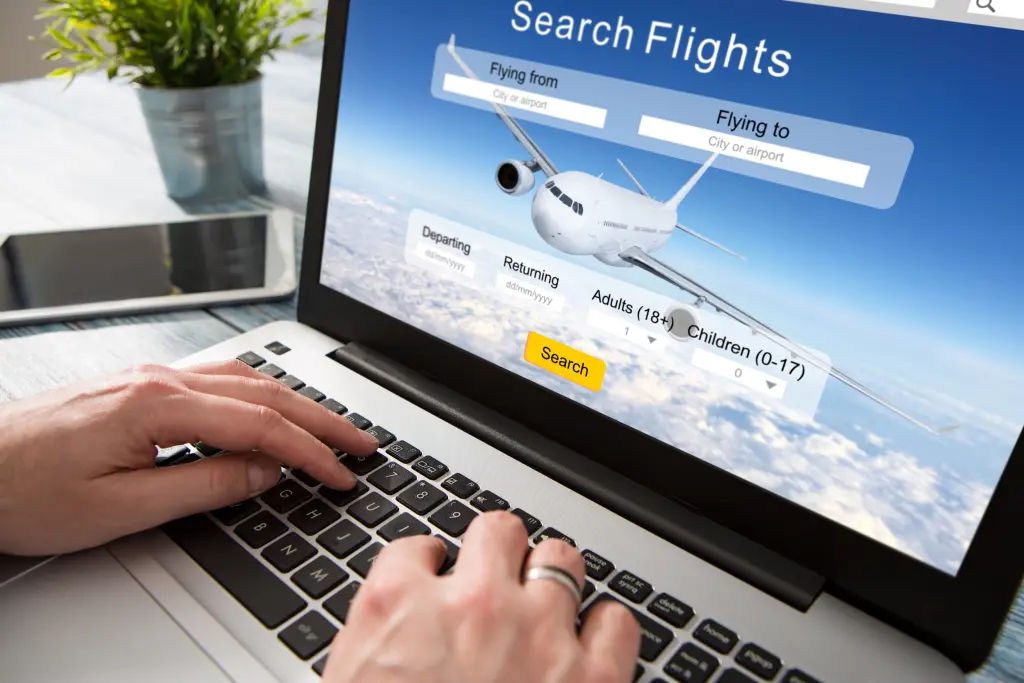
Many people believe airlines use cookies to monitor flight searches and raise prices when demand is high. However, according to experts at Dollar Flight Club, a service that finds and sends cheap airfare deals, the continuous change in ticket prices is caused by dynamic pricing algorithms, demand fluctuations, market factors, and competition levels.
Airlines do not track individual behavior but rather overall demand. Repeated searches for the same route by multiple users can lead the system to perceive high demand, consequently increasing ticket prices.
Airlines also use revenue management systems to adjust ticket prices in real-time, based on demand, available seats, and competition. With flexible pricing mechanisms, airlines divide seats into multiple price levels, known as fare buckets. When cheaper seats sell out, ticket prices automatically rise.
These are the reasons why you will observe price changes during the booking process.
 |
For instance, Delta Air Lines uses 77 fare buckets, while American Airlines uses 24 and Southwest Airlines uses 28, according to Dollar Flight Club. When seats in the cheaper buckets are sold out, the system automatically shifts to the next higher price level. This approach allows airlines to reserve some economy class seats for last-minute bookings, often by business travelers. This group of customers typically accepts higher prices.
Another algorithm-driven adjustment factor is demand and booking habits, such as the rate of ticket sales compared to historical data. If a flight sells out faster than anticipated, ticket prices can increase almost immediately.
Additionally, there are more predictable factors influencing demand, such as holidays and weekends. For less predictable factors, Dollar Flight Club states that airlines often set automatic price increases at key milestones: 21, 14, and 7 days before the departure date are common times when ticket prices tend to rise.
Like many businesses in other sectors, airlines closely monitor their competitors. If one airline reduces prices, others often adjust to remain competitive, creating a ripple effect across the market.
Macroeconomic factors also impact ticket prices, including labor shortages, surging travel demand, fuel costs, or current conflicts in the Middle East.
Airlines can also adjust ticket prices based on the "point of sale," meaning the same flight might have different prices depending on your location.
Dollar Flight Club advises travelers to use incognito mode when searching, so airlines and booking sites cannot track your behavior or search history.
Furthermore, if booking for a group, first check the price for one passenger before adding others.
Experts also recommend comparing prices using various flight search tools to find the best possible fare.
Tam Anh (according to NYPost)