Dubai's ruler, Sheikh Mohammed bin Rashid Al Maktoum, recently signed Law No. 2 of 2026 on public safety. The law, expected to take effect from 1/6, establishes a strict legal framework designed to protect lives and property, reinforcing the city's status as "the world's safest destination."
The enactment of this new law is not merely a routine administrative procedure. According to observers, it is a strategic move amidst ongoing complex conflicts in the Middle East. While many neighboring locations face instability, Dubai is striving to maintain its image as a "peaceful oasis" to attract and retain investment and tens of millions of international tourists each year.
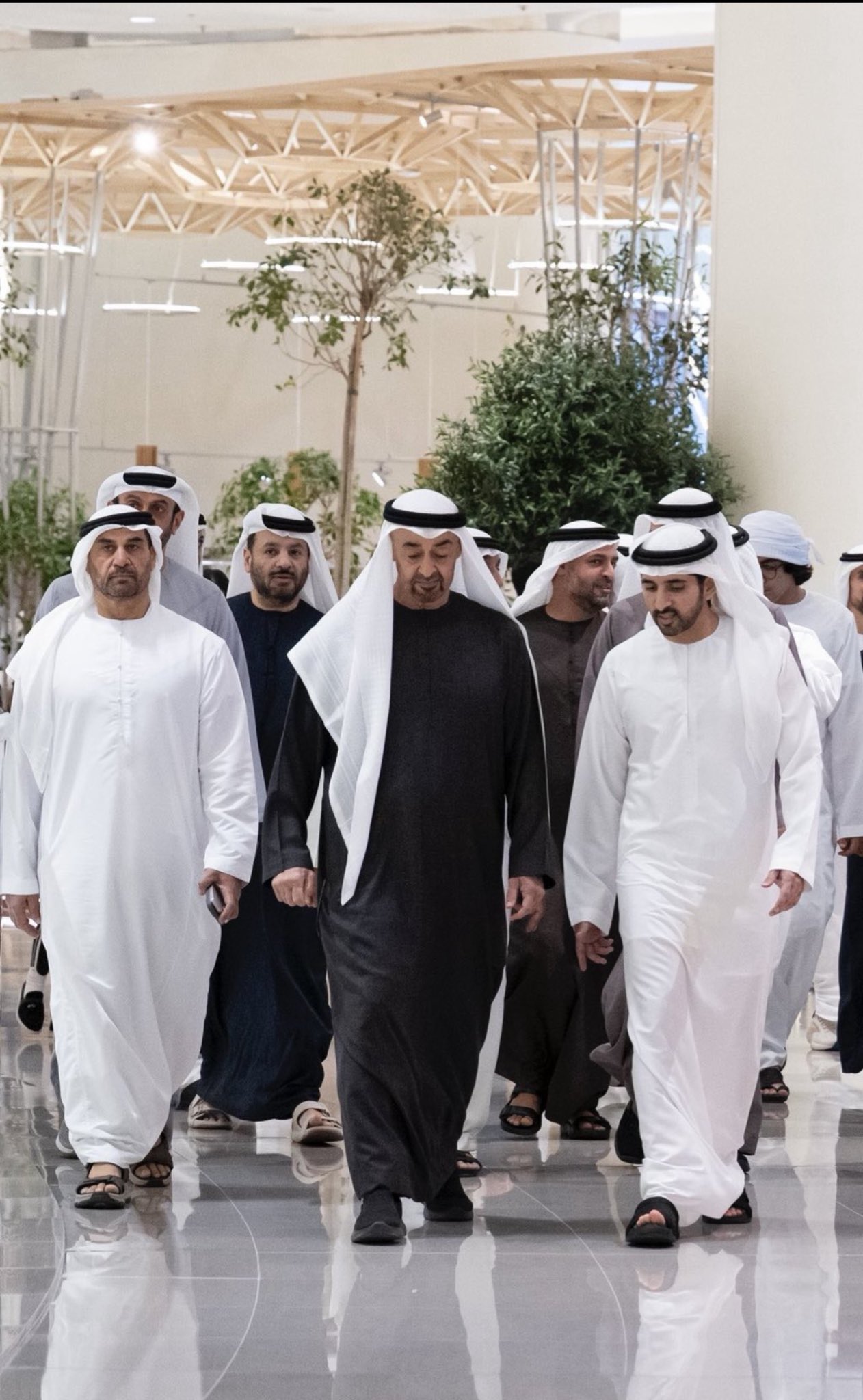 |
UAE President (black shirt, top row) in a Dubai shopping mall. *Photo: X/Dr_BuAbdullah*
Tightening the management of public spaces, strictly controlling explosives, and upgrading surveillance systems are key ways Dubai is building internal resilience. This ensures its crucial tourism economy remains unwavering against external geopolitical fluctuations.
The new law primarily focuses on managing public spaces and crowded events, which are signature attractions for tourists in Dubai. Event organizers must now meet detailed standards for emergency exit design, lighting, and ventilation systems.
The regulations clearly specify crowd control measures to prevent overcrowding and stampedes at large festivals. Noise levels at entertainment venues will also be monitored to protect participants' health. In public areas like beaches and swimming pools, visitors must adhere to designated swimming hours, not enter restricted zones, and only use safety-certified water sports equipment.
The law also strictly prohibits individuals from unauthorized handling or use of fireworks, explosives, and harmful chemicals in public places. Even disposing of electronic batteries or hazardous materials in regular trash bins is considered a legal violation.
A key feature of this law emphasizes community cooperation. Residents and visitors are not only protected but also have an obligation to comply with safety procedures, cooperate with monitoring personnel, and strictly adhere to evacuation guidelines in emergency situations.
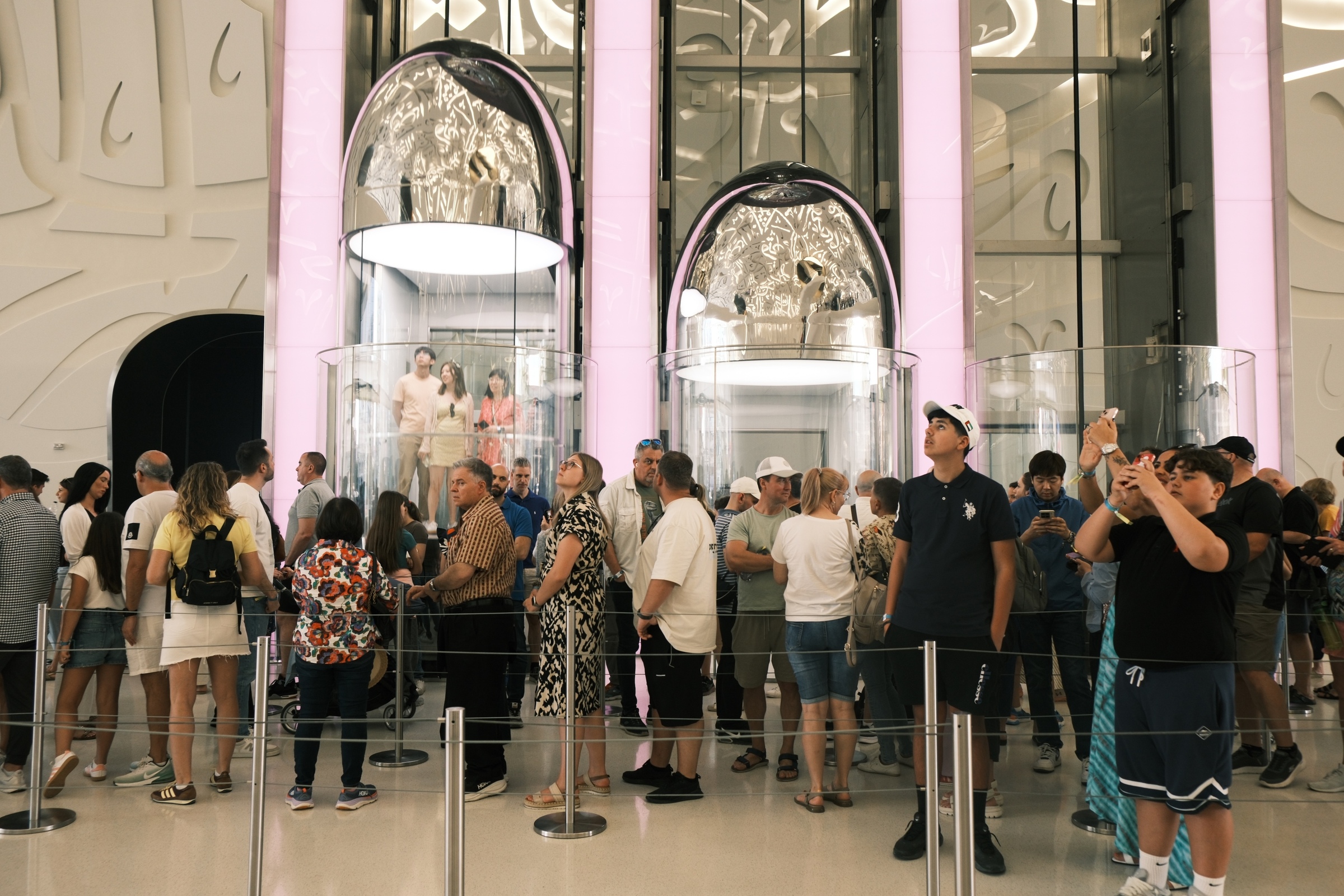 |
Tourists queue to visit the Museum of the Future in Dubai. *Photo: Mai Phuong*
In high-rise buildings and accommodation facilities, maintenance of hazardous components like electrical systems must follow strict procedures to mitigate fire and explosion risks. All products circulating in the Dubai market will also be required to have safety instructions in both Arabic and English to ensure all consumers can access the information.
To ensure strict enforcement, Dubai authorities are implementing a framework of financial penalties. Administrative violations of public safety start with a fine of 500 AED and can reach 1 million AED, depending on the severity. If an individual or organization reoffends within one year, the fine will double, up to approximately 2 million AED.
Dubai Municipality officials and police have the authority to issue citations and handle violations on the spot. Those fined have 10 days to file a written appeal, and the review committee's decision thereafter will be final.
Dubai provides a two-year transition period for businesses and individuals to upgrade their systems according to the new standards. This law will replace older regulations from 2003.
With these changes, Dubai reaffirms its commitment to safety as a cornerstone of prosperity. This helps the city remain not only an entertainment hub but also a secure destination for tourists amidst a volatile region.
Mai Phuong (According to Gulf News)