The Ho Chi Minh City People's Committee (UBND TP HCM) is currently gathering feedback on a draft resolution regarding mechanisms to support the development of tourism service models, products, and activities within the city. Night tourism is the top priority. This involves activities in designated streets or areas, serving visitors from 6 PM to 6 AM the next day, accompanied by plans for security, fire prevention and fighting, environmental hygiene, and noise management.
The support covers initial investment costs, including upgrading spaces, payment technology, brand identity development, and designing products specifically for night operating hours.
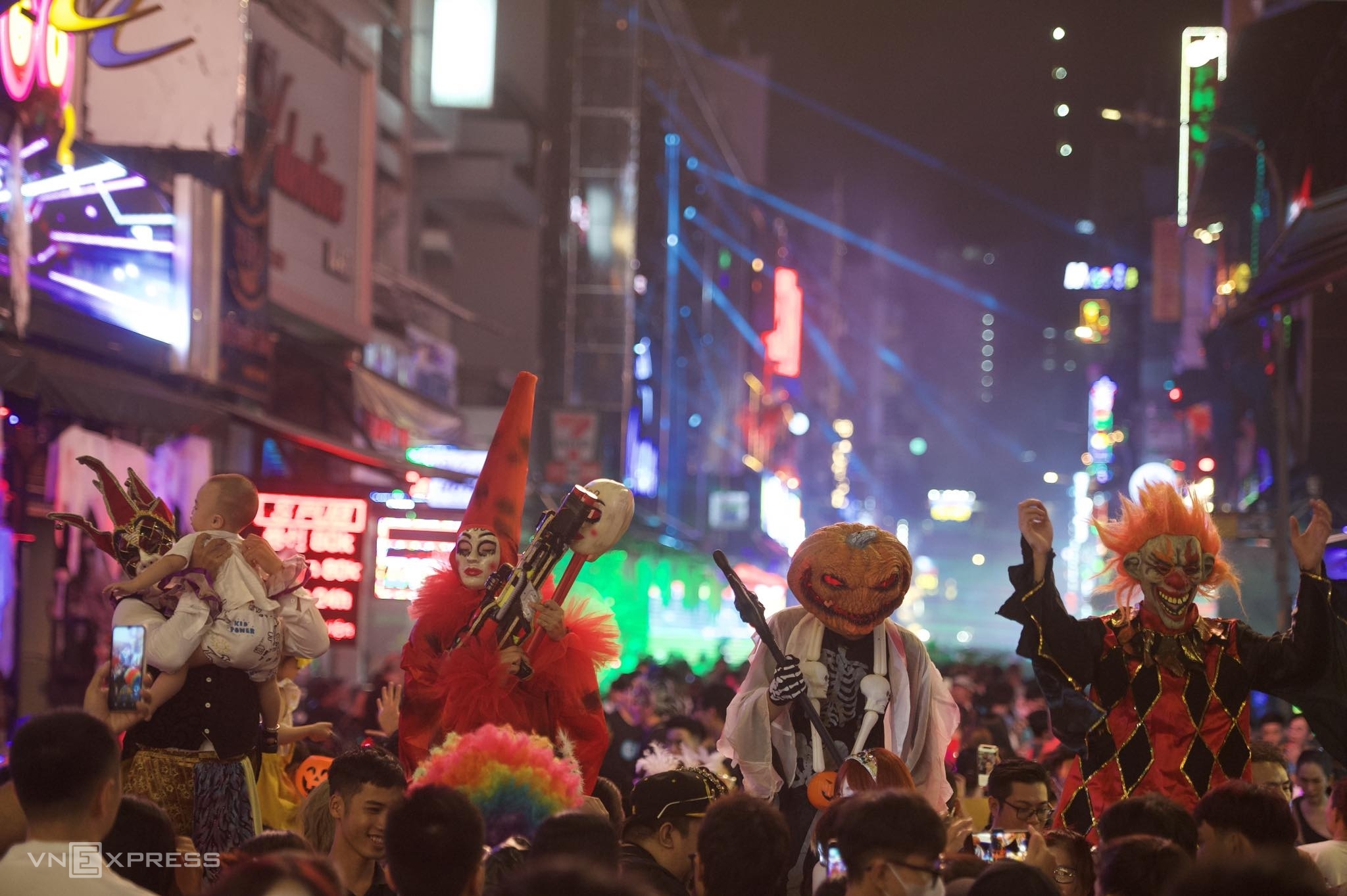 |
Halloween festival on Bui Vien street, Ho Chi Minh City. *Photo: Thanh Tung*
Eligible groups for this policy include businesses, cooperatives, business households directly involved in tourism, and community organizations managing tourist destinations. These entities must have plans approved by competent authorities and commit to maintaining operations for a minimum of 36 months.
In addition to night tourism, the draft also offers support for various other sectors, each with different maximum caps:
| Sector | Support Level | Maximum Cap |
| Night Tourism | 50% of costs | 1 billion VND per model |
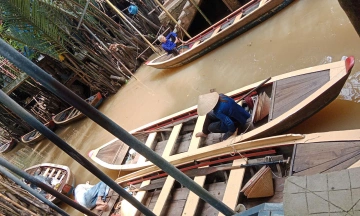
| Waterway Tourism | 50% of costs | 500 million VND per vehicle |
| Weekend Activity Series | 50% of costs | 500 million VND per series |
| Events, Festivals | 30% of costs | 300 million VND per event |
| New Tourism Products | 50% of costs | 300 million VND per product |
| Green Transformation | 70% of costs | 200 million VND |
| Digital Transformation | 50% of costs | 100 million VND |
| Homestay Renovation (rural, island) | - | 250 million VND per facility |
| Rural Tourism Infrastructure | 70% of costs | 500 million VND |
| Space for Showcasing Unique Products | - | 200 million VND per project |
Beyond financial aid, the city also provides other forms of support: facilitating access to public assets, prioritizing administrative procedures, offering free promotion on official information portals and digital maps, assisting with credit access, brand building, and connecting with tour operators.
According to city authorities, this mechanism aims to establish resources and a legal framework for businesses, households, and communities to develop new tourism models. These efforts are expected to extend tourist stays and increase visitor spending, while simultaneously promoting green, digital, and sustainable tourism development.
By Le Tuyet